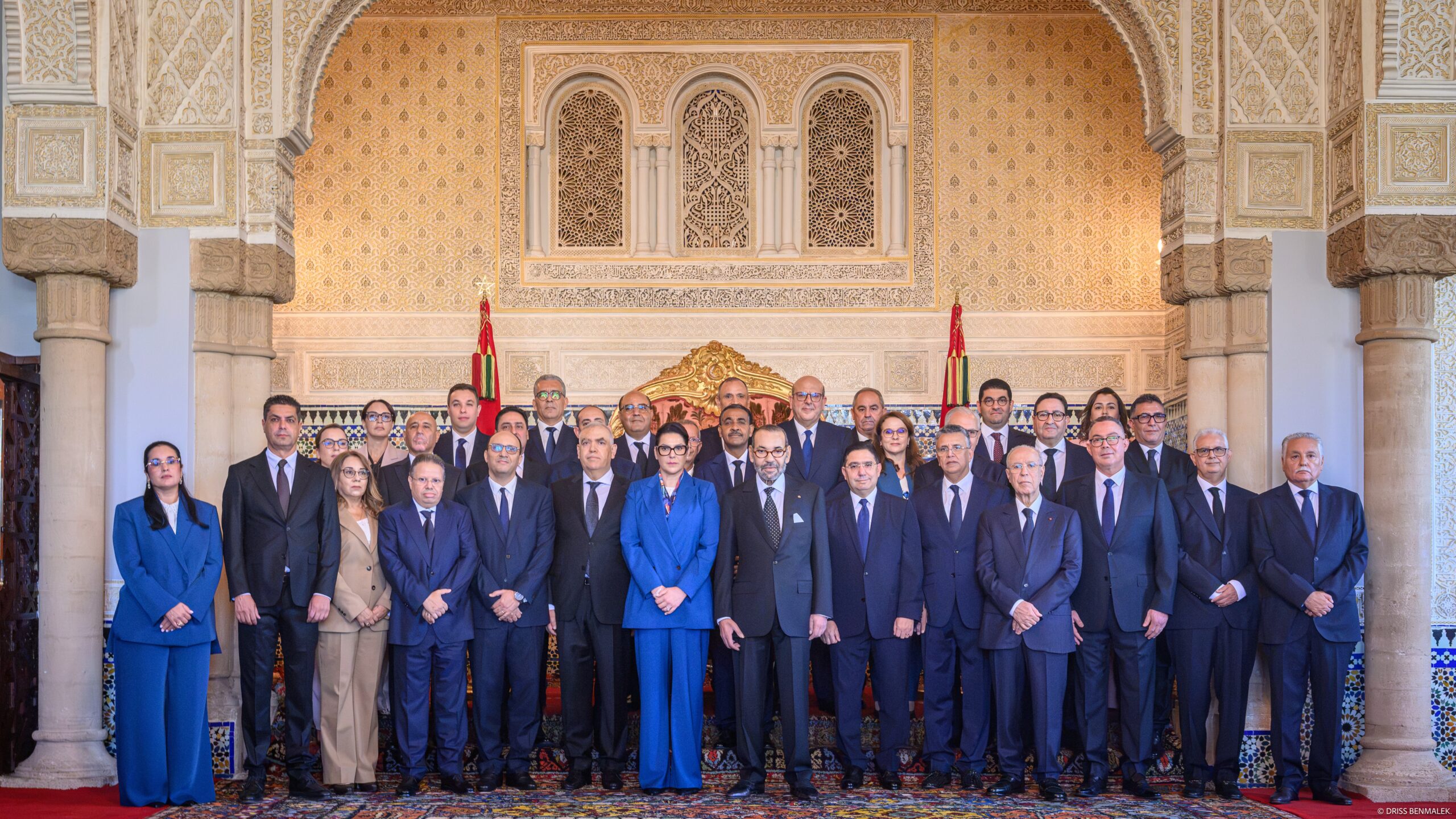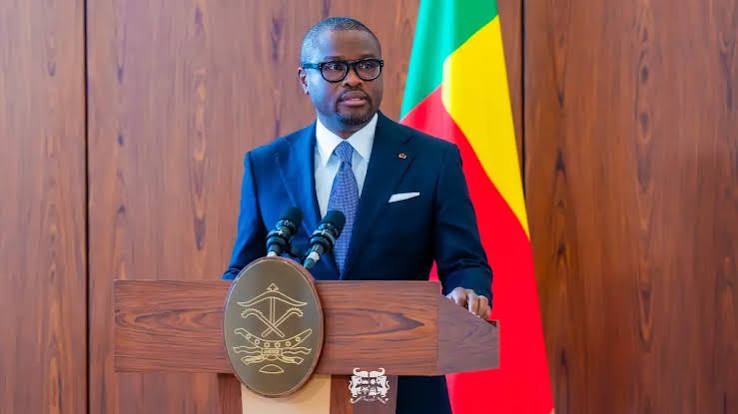
Following his inauguration on May 25, 2026, Bénin’s new president Romuald Wadagni has announced his first government, a 24-member team that signals continuity rather than radical change. The composition reflects a deliberate choice to retain key figures from the previous administration, underscoring Wadagni’s deep roots within the outgoing government, where he served as Minister of Economy and Finance under President Patrice Talon.
Continuity as a cornerstone of the new administration
The roster of ministers, unveiled in Cotonou, prominently features familiar faces from the Talon era. This deliberate continuity aims to maintain the macroeconomic stability that has characterized Bénin’s trajectory since 2016, particularly its robust growth within the UEMOA region. Wadagni’s own financial credibility, honed during his tenure at Deloitte and later in government, remains a cornerstone of the new administration’s strategy to preserve investor confidence and economic momentum.
The technocratic approach of the president is evident in the allocation of strategic portfolios. Ministries overseeing economy, infrastructure, and digital transformation have been entrusted to individuals closely aligned with the previous administration. This suggests that flagship projects—from the expansion of the Autonomous Port of Cotonou to the development of special industrial zones and the digitization of public services—will continue under the same leadership.
Six women enter the cabinet, but sovereignty portfolios remain male-dominated
Out of the 24 ministerial positions, six have been assigned to women, representing a quarter of the cabinet. While this figure aligns with regional averages in West Africa, it falls short of historic representation. Notably, none of the female appointees have been assigned to critical sovereignty ministries, which remain under the control of male figures from the president’s inner circle.
The most significant political signal, however, lies elsewhere. During the campaign, several opposition figures publicly endorsed Wadagni’s candidacy, hoping to secure ministerial positions in return. None of them have been included in the final list. By closing the door to external political currents—particularly those outside the ruling coalition, the Republican Bloc and the Union for Progress and Renewal—the new president appears to prioritize internal cohesion over broader political inclusion. This decision raises questions about the depth of the promised political dialogue, especially given the pre-electoral tensions surrounding opposition participation conditions.
Economic course preserved, political compromises deferred
The swift announcement of the cabinet, finalized within hours of the president’s swearing-in, reflects meticulous advance planning. Wadagni’s early decision-making ensures the new administration can hit the ground running, addressing pressing national priorities such as the ongoing IMF program and the heightened security challenges along the northern borders, where jihadist pressures from the Sahel continue to escalate.
Yet, the new government faces more than just economic reassurance. Social challenges—rising living costs, youth unemployment, and dialogue with civil society—demand solutions beyond technical management. The absence of any political opening may prove consequential in the coming months, particularly as the majority seeks to navigate legislative and local elections scheduled for 2026. The legislative calendar will serve as a critical test of the executive’s ability to engage with a political landscape it has, thus far, chosen to exclude.