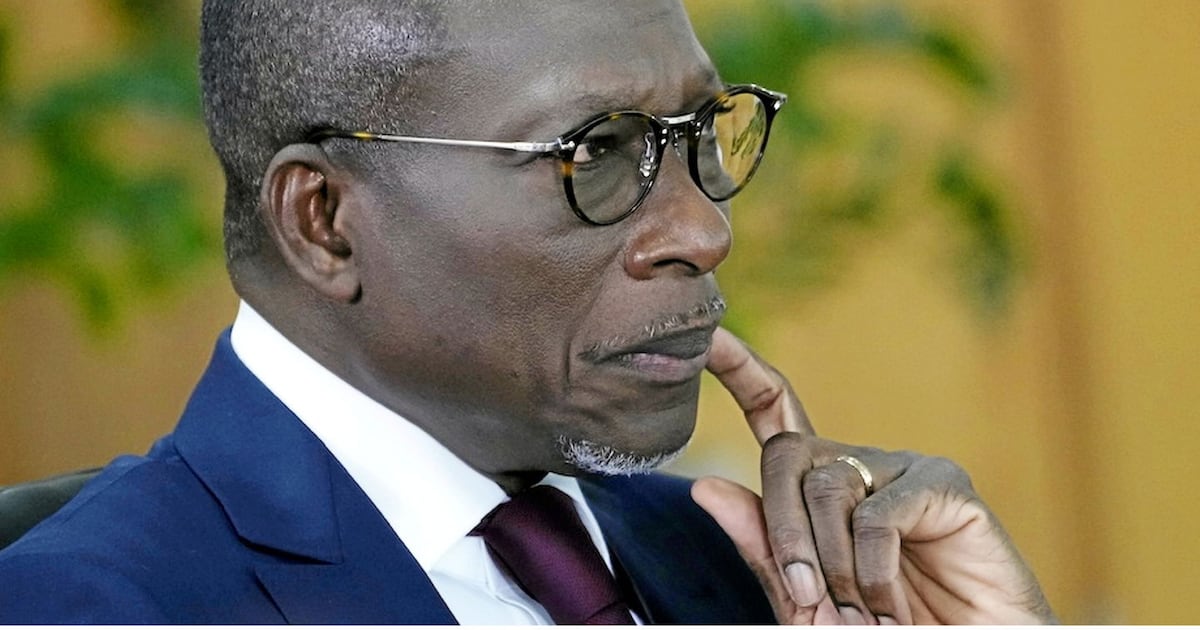
Early on Sunday, December 7, 2025, a group of mutinous soldiers briefly seized control of Benin’s national broadcaster, SRTB, in Cotonou. The insurgents declared on air that they had removed President Patrice Talon from power. The 67-year-old leader, set to conclude his second and final term in April 2026 after a decade in office, was swiftly relocated to safety as loyalist forces regained control of key installations.
Security sources reported that the mutineers initially targeted the president’s private residence in the Guézo district but were repelled. By mid-morning, Cotonou was placed under heightened security, with helicopters patrolling the skies and patrols sweeping major streets. The situation gradually stabilized throughout the day, marking an unprecedented challenge to Benin’s decades-long streak of political stability—a streak last broken in 1972 when Mathieu Kérékou seized power.
President Talon condemns the uprising
In a televised address that evening, President Patrice Talon addressed the nation, stating, “Today, our country has faced an act of extreme gravity. This betrayal will not go unanswered.” He also revealed that some individuals remained in the hands of fleeing mutineers, emphasizing the urgent need to secure the situation and protect civilians.
The crisis took a tragic turn when the wife of General Bertin Bada—President Talon’s military chief of staff and a recently promoted air force corps general—was killed during an assault on their home in Abomey-Calavi. The general’s daughter was also injured in the attack.
Government response and arrested mutineers
Interior Minister Alassane Seidou described the events as a “small group of soldiers attempting to destabilize the state and its institutions.” He praised the Beninese Armed Forces for remaining loyal to their oath and swiftly restoring order. The government urged citizens to resume normal activities.
Foreign Affairs Minister Olushegun Adjadi Bakari clarified that the majority of the military remained loyal to the president, with only a “small faction” involved in the coup attempt. Authorities later confirmed the arrest of at least a dozen soldiers, including suspected ringleaders and a former army member.
Mutineers target presidential compound and TV station
At dawn, gunfire erupted as a group of soldiers, allegedly supported by external mercenaries, stormed the homes of high-ranking officers before advancing toward the presidential palace and the national broadcaster. There, they forced staff to record a statement declaring they were acting on behalf of Lieutenant-Colonel Pascal Tigri. The mutineers announced the formation of a “Military Committee for Rebuilding” led by Tigri and declared Patrice Talon “removed from office,” despite his mandate nearing its official end.
Tigri claimed the constitution and all state institutions were suspended, arguing that the army would “exercise full state powers until further notice.” He justified the coup by accusing Talon’s administration of “exclusionary governance,” “suppressing electoral rights,” “passing divisive laws,” and “arbitrary arrests.”
The United States and French embassies quickly issued security alerts for their citizens in Benin, citing “gunfire exchanges” near the presidential residence. However, loyalist forces launched a counteroffensive, reclaiming critical infrastructure. The marina area, home to the presidential palace, was locked down, and helicopters patrolled key zones as major roads were blocked. The Beninese government requested assistance from Nigeria, which deployed fighter jets and ground troops to secure the broadcaster and a captured military base.
Chaos and uncertainty grip Cotonou
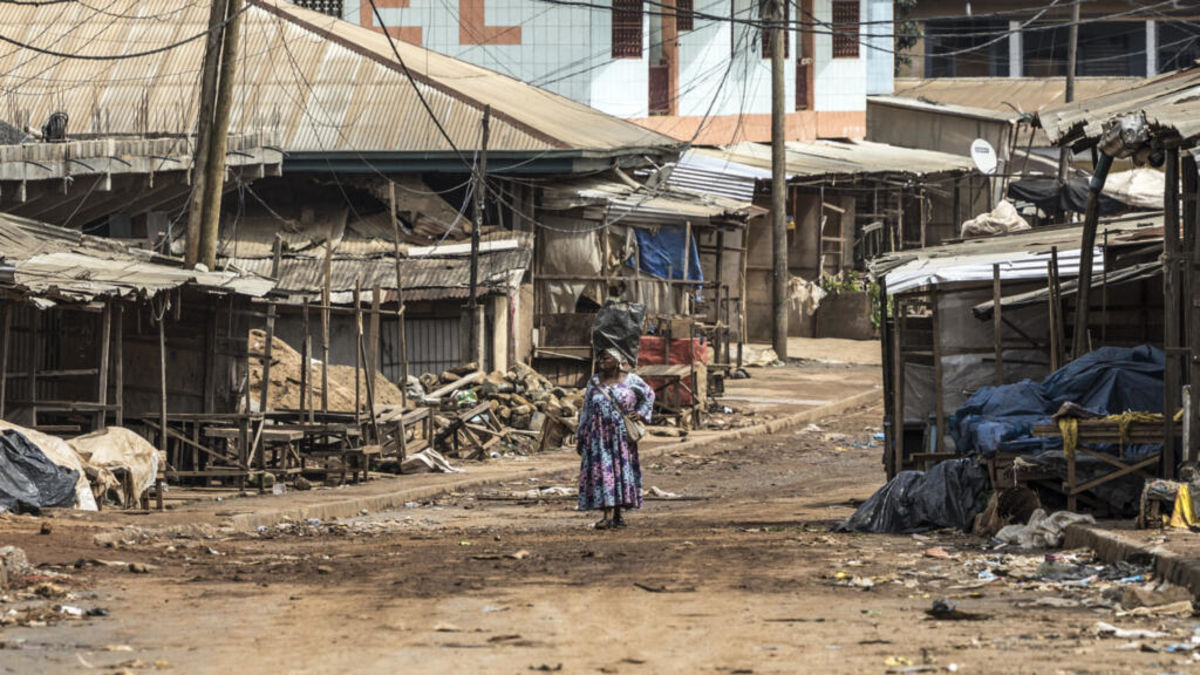
For hours, misinformation spread rapidly across social media platforms like TikTok, Facebook, and WhatsApp, creating widespread confusion. By early afternoon, gunfire subsided, and police units occupied major intersections in the city center. Residents expressed uncertainty about the events, with one local from the Cimetière PK-14 district remarking, “No one really knows what’s happening.” Others voiced concerns about potential further unrest.
This attempted coup has sent shockwaves through Benin, a country long regarded as a bastion of stability in West Africa. The incident follows recent military takeovers in Guinea-Bissau and Madagascar and places Benin among a growing list of West African democracies under threat, alongside Niger, Burkina Faso, Mali, and Guinea.
Regional bodies condemn the coup and deploy troops
The African Union (AU) swiftly condemned the coup as a “firm and unequivocal” violation of constitutional order, calling on involved soldiers to return to their barracks. AU Commission Chair Mahamoud Ali Youssouf urged all actors to “cease illegal actions immediately” and “resume their professional duties without delay.”
The Economic Community of West African States (ECOWAS) announced the immediate deployment of troops from Nigeria, Sierra Leone, Côte d’Ivoire, and Ghana. The regional bloc stated its forces would support Benin’s government and republican army to “preserve constitutional order.”
Upcoming election and political tensions
With the presidential election just months away in April 2026, President Talon’s tenure nears its end, as mandated by the constitution. However, the political climate remains tense. The northern region continues to face jihadist attacks linked to Al-Qaeda, with 54 soldiers killed in an April incident.
Politically, Talon’s coalition—the Republican Bloc (BR) and UP-R—has already designated Finance Minister Romuald Wadagni as its candidate to succeed him. This move follows the recent adoption of a constitutional amendment establishing a Senate and extending presidential and legislative terms from five to seven years, sparking intense debate. Although the two-term limit remains in place, the reform has intensified political friction, particularly after the disqualification of the main opposition candidate, Les Démocrates.
Sources close to the investigation suggest the mutineers were driven by political grievances, criticizing Talon’s administration for perceived exclusivity. The identities of any potential masterminds behind the coup attempt remain unclear, raising concerns about deeper divisions within Benin’s military and political spheres.