Benin and Nigeria unite to strengthen west africa’s security front
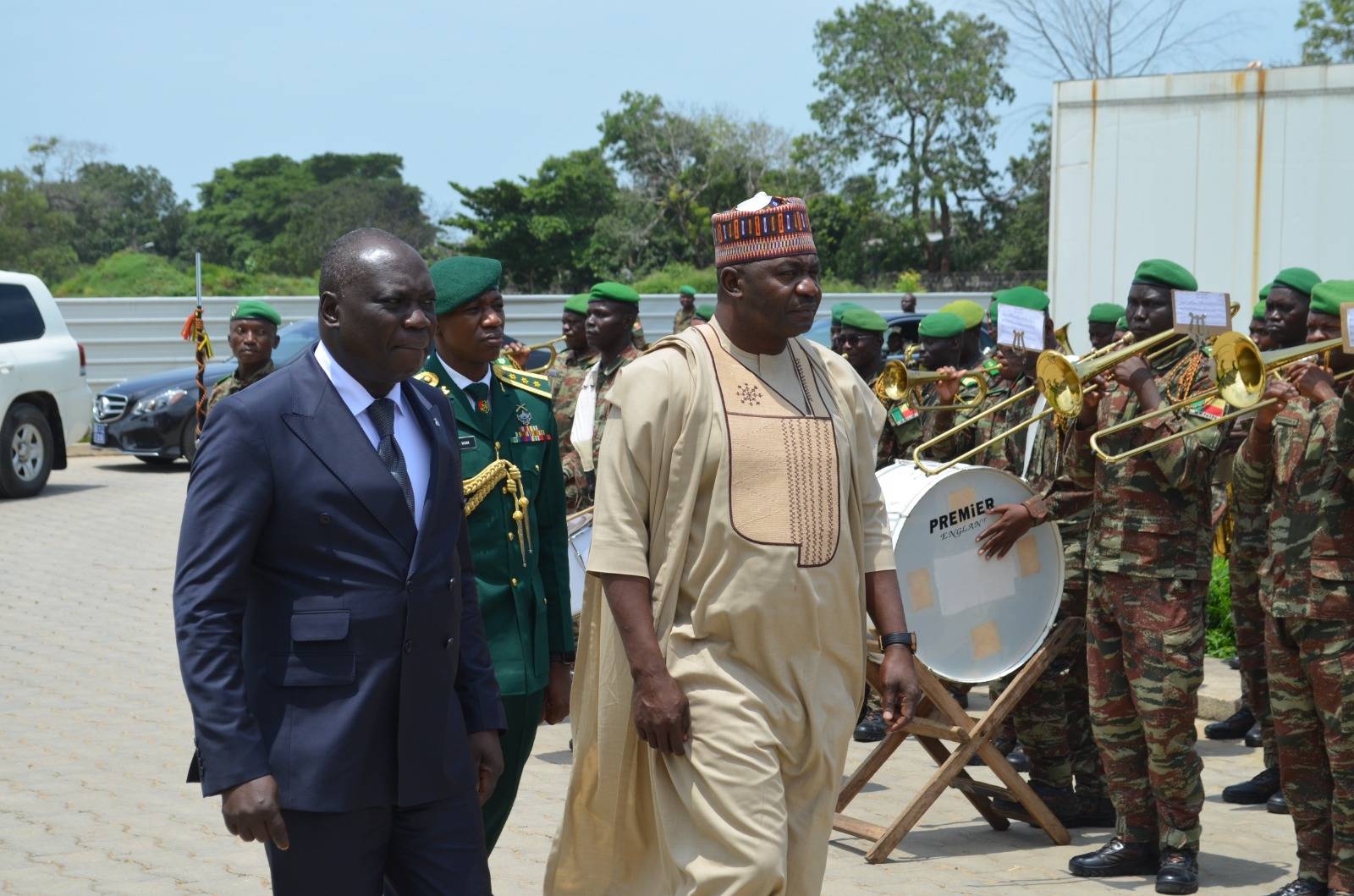
The relentless advance of armed groups across West Africa has pushed Bénin and Nigeria to deepen their military collaboration. On August 4, 2026, a high-level Nigerian military delegation, led by Defense Minister General Christopher Gwabin Musa, met with his Béninois counterpart, Gildas Agonkan, in Cotonou. This strategic gathering marks a pivotal step toward a stronger, more practical sub-regional alliance against growing security threats.
Strengthening bonds in a time of shared urgency
The visit by Nigeria’s top defense official was not merely diplomatic—it underscored the gravity of rising extremist threats and the urgent need for a coordinated response. Prior to formal talks at the Ministry of Defense, General Musa visited Togbin military barracks, where he engaged with Nigerian troops stationed in Cotonou for Bénin’s 66th independence anniversary celebrations. This presence highlighted the deep historical, geographic, and cultural ties uniting the two nations.
Following this symbolic gesture, the working session focused on turning long-standing diplomatic solidarity into a robust operational shield against jihadist advances. Both ministers emphasized that isolated national efforts are no longer sufficient in the face of a spreading insurgency.
The terrorist threat: A borderless challenge
The Sahel and Gulf of Guinea are experiencing unprecedented instability, with armed groups linked to Al-Qaïda and the Islamic State expanding southward. Bénin’s northern regions, bordering Burkina Faso and Niger, face persistent pressure, while Nigeria continues battling Boko Haram, ISWAP, and armed banditry across multiple fronts.
General Musa stressed that porous borders provide terrorists with critical advantages. To dismantle these networks, he argued, the response must adopt a regional approach involving all Sahel and Gulf of Guinea nations—from Bénin and Nigeria to Niger, Burkina Faso, and Mali. Despite political fluctuations, security imperatives demand seamless communication and cooperation among all regional armed forces.
South-South collaboration: Merging expertise for collective security
Bénin’s Defense Minister, Gildas Agonkan, hailed the initiative as a testament to the political will of both nations’ leaders to forge an unbreakable alliance. “Our strategies must be pooled so that, together with other sub-regional partners, we can overcome this scourge that stifles our nations’ progress,” he declared.
This South-South military cooperation hinges on three pillars: continuous exchange of strategic intelligence to disrupt terrorist financing, joint border patrols in blind spots, and enhanced interoperability between forces. The goal is to maintain constant cross-border pressure, denying armed groups safe havens. This approach affirms that Africa’s solutions to its crises must originate from the continent itself, leveraging the expertise of its own armed forces.
Army-Nation unity: The power of local engagement
The Cotonou talks also spotlighted a critical but often overlooked factor in asymmetric warfare: civilian involvement. Terrorism thrives in environments where communities feel isolated or economically vulnerable. Without active public participation, military intelligence flows are incomplete, leaving gaps that extremists exploit.
General Musa urged Béninois and Nigerian citizens to remain vigilant, urging them to report suspicious activities to security forces. Strengthening the Army-Nation bond is essential to prevent ideological and operational infiltration by armed groups. Local sensitization, he noted, forms the first line of defense against infiltration.
A pillar for regional stability
The deepened security coordination between Bénin and Nigeria transcends bilateral relations—it is a cornerstone for preserving peace across West Africa. By securing their shared border and enhancing cooperation, Cotonou and Abuja send a powerful message to criminal networks: the region’s stability will not be compromised.
Economic growth, trade integration, and public welfare are intrinsically tied to territorial security. By reaffirming their joint commitment in early August 2026, Bénin and Nigeria have demonstrated their readiness to serve as secure gatekeepers against violent extremism. The roadmap is now clear: translating words into action on the ground to secure a peaceful future for generations to come.