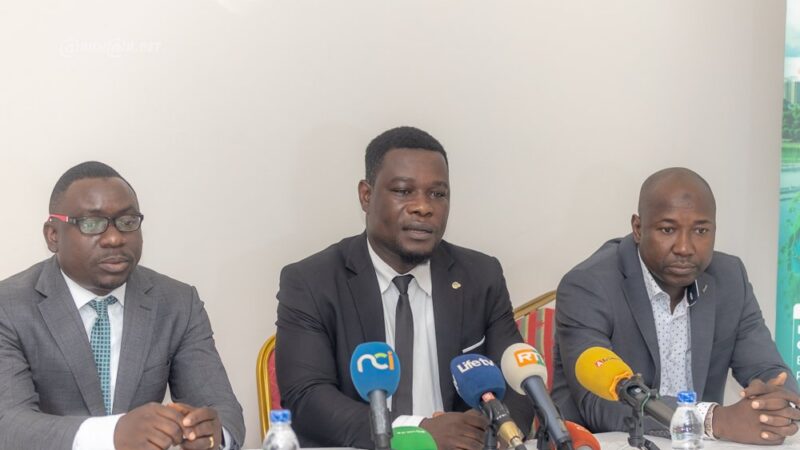
Benin and Niger revive cross-border cooperation with three key projects
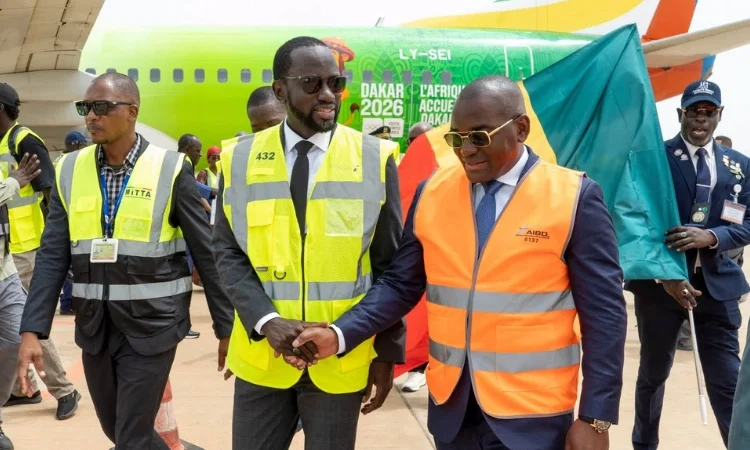
Diplomatic relations between Bénin and Niger are taking a decisive turn as both nations lay the groundwork for renewed cooperation. A recent gathering of technical experts from both capitals has identified three strategic projects aimed at restoring mutual trust and reopening channels of communication. This initiative marks a significant shift following the diplomatic rupture triggered by the military takeover in Niamey last year and the subsequent closure of their shared border.
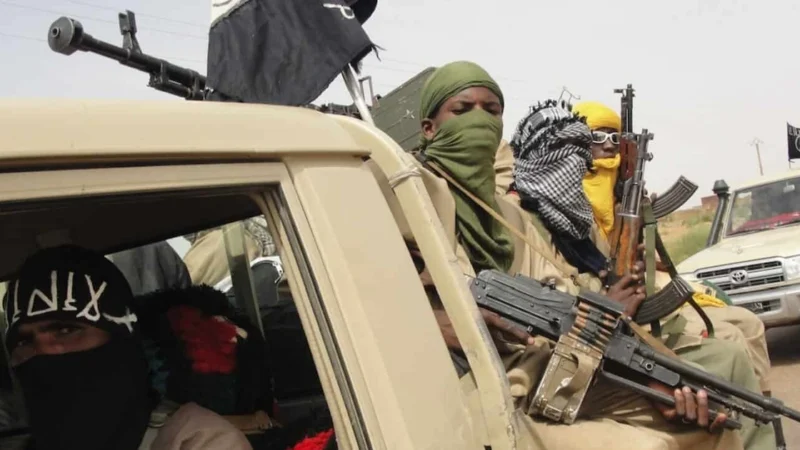
The backdrop remains tense. Cotonou aligned with the sanctions imposed by the Economic Community of West African States (CEDEAO), while Niamey accused its southern neighbor of hosting military bases perceived as threats to its transition. The dispute over Nigerien crude oil exports via the pipeline connecting Agadem to the port of Sèmè-Kpodji in Bénin further deepened the rift. By prioritizing technical diplomacy, both countries are demonstrating a commitment to separating economic cooperation from lingering political tensions.
Three high-impact projects to rebuild economic ties
The priority projects identified by the experts focus on critical areas of bilateral interdependence. Restoring the free movement of people and goods tops the agenda, with plans for a coordinated reopening of border crossings. Securing a stable route for Nigerien oil exports to the Atlantic via the Chinese-operated pipeline represents the second major initiative. The third project involves developing cross-border infrastructure to reinvigorate trade flows between the two nations.
These strategic choices are far from arbitrary. They target the sectors where the sudden halt in cooperation has inflicted the most damage on both economies. As a landlocked nation, Niger relies heavily on Bénin’s ports for imports and hydrocarbon exports. Meanwhile, Bénin benefits from customs and port revenues tied to this trade, both of which have plummeted since the border closure. The mutual economic stakes are now serving as a catalyst for political reconciliation.
Technical diplomacy as a pathway beyond political deadlock
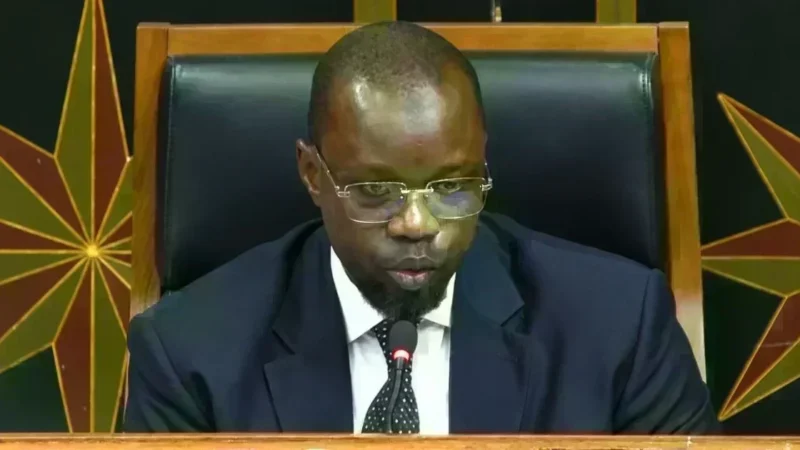
The approach adopted by both governments is noteworthy. By entrusting the preparatory phase to technical experts rather than high-level politicians, Patrice Talon and General Abdourahamane Tiani are creating space for progress. Issues of sovereignty, recognition of transitional authorities, and CEDEAO membership remain unresolved but are not allowed to obstruct operational progress. This phased strategy mirrors successful mediation models seen elsewhere in the region, where sectoral cooperation has paved the way for broader political reconciliation.
The real test lies ahead. The experts’ proposals must now gain political approval—a stage far more vulnerable to external pressures. The Niger’s withdrawal from CEDEAO, alongside Mali and Burkina Faso within the Alliance of Sahel States (AES), complicates the legal framework for formal cooperation with Bénin, a founding member of the West African bloc. Both capitals will need to craft a resilient bilateral framework capable of functioning independently of the contested regional mechanisms.
A litmus test for West African diplomacy
The stakes extend far beyond the Bénin–Niger relationship. A successful normalization could set a precedent for rebuilding ties between CEDEAO and the AES, whose economies remain deeply intertwined. Port operators, logistics companies, and industrial players on both sides of the Niger River are closely monitoring the process. The resumption of smooth traffic along the Cotonou-Niamey corridor is essential for the viability of several regional logistics projects, particularly those linked to hydrocarbon exports from the Agadem basin.
The coming weeks will reveal whether the momentum generated by the experts can withstand political headwinds. Past attempts since 2023 have shown how fragile rapprochements between governments with divergent constitutional frameworks can be. Yet, the successful implementation of these three projects could serve as a valuable model for the entire subregion, providing a roadmap for other nations navigating similar challenges.