Algeria and Niger launch new power plant near Niamey to boost energy security
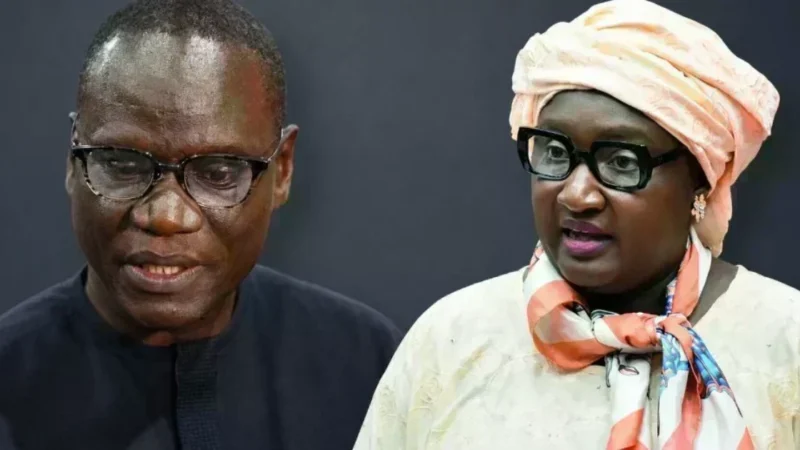
In a landmark move for regional energy cooperation, Algeria and Niger have jointly inaugurated a new power plant in Gorou Banda, on the outskirts of Niamey. The ceremony brought together Nigerien Prime Minister Ali Lamine Zeine and his Algerian counterpart Sifi Ghrieb, marking the first concrete outcome of a bilateral energy partnership forged in response to Niamey’s persistent electricity shortages. Beyond its symbolic value, the project directly addresses the chronic power deficit that has long constrained Niger’s economic growth and daily life in the capital.
Strengthening energy ties through a strategic partnership
Gorou Banda is no stranger to Niger’s energy landscape—it already hosts critical electrical facilities south of Niamey. Now, it stands as a new symbol of Algerian-Nigerien collaboration, with officials framing the launch as a gesture of solidarity. For Niger’s transitional government, which took office in July 2023, the plant’s activation is a timely solution to mounting pressure on the national grid.
Niger has long relied on electricity imports, particularly from Nigeria, but supply disruptions following the regime change and subsequent ECOWAS sanctions have made diversification a national priority. The new plant complements ongoing efforts to expand thermal and solar generation within Niger’s borders, reinforcing energy sovereignty as a core policy objective.
Algeria’s expanding influence in the Sahel through energy and security
For Algeria, the project is part of a broader strategy to deepen ties across the Sahel. In recent months, Algerian diplomacy has intensified engagement with neighboring states as traditional Western partners reduce their presence in the region. By delivering a functional energy infrastructure, Algiers pursues two key goals: strengthening its regional leadership and securing its southern border—an area vulnerable to armed groups, smuggling, and migration flows.
The meeting between Zeine and Ghrieb extended beyond energy cooperation, with border security emerging as a central topic. The nearly 1,000-kilometer border between the two countries is a hotspot for instability, making joint initiatives like this power plant a strategic asset for both nations.
More than megawatts: a political statement in shifting regional alliances
The timing of the inauguration is significant. It coincides with the formal withdrawal of Niger, Mali, and Burkina Faso from ECOWAS and the formation of the Alliance of Sahel States (AES). In this evolving regional landscape, Algeria positions itself as a neutral yet influential mediator—one that maintains dialogue with all actors, including those outside the ECOWAS framework.
The Gorou Banda plant embodies this dual role. Technically, it boosts power capacity close to Niamey, where demand is highest. Politically, it signals a durable bilateral partnership. Yet the true test will come in the coming months, as both countries assess whether this initial step can translate into broader interconnections and long-term energy stability.
For Niger, the challenge is clear: transform this new infrastructure into a lasting solution for its energy deficit. With electricity sovereignty now a cornerstone of public policy, the partnership with Algeria has moved from aspiration to operational reality, offering a pathway to greater resilience in the face of regional volatility.