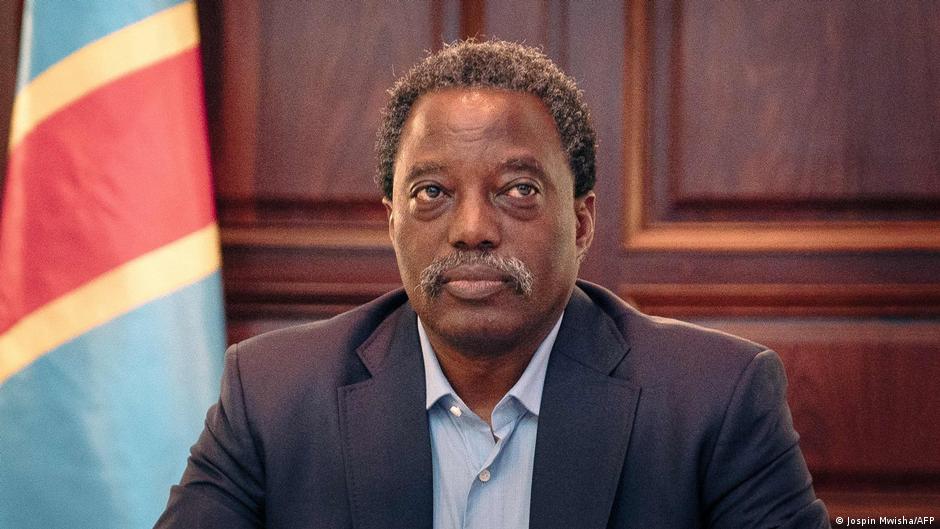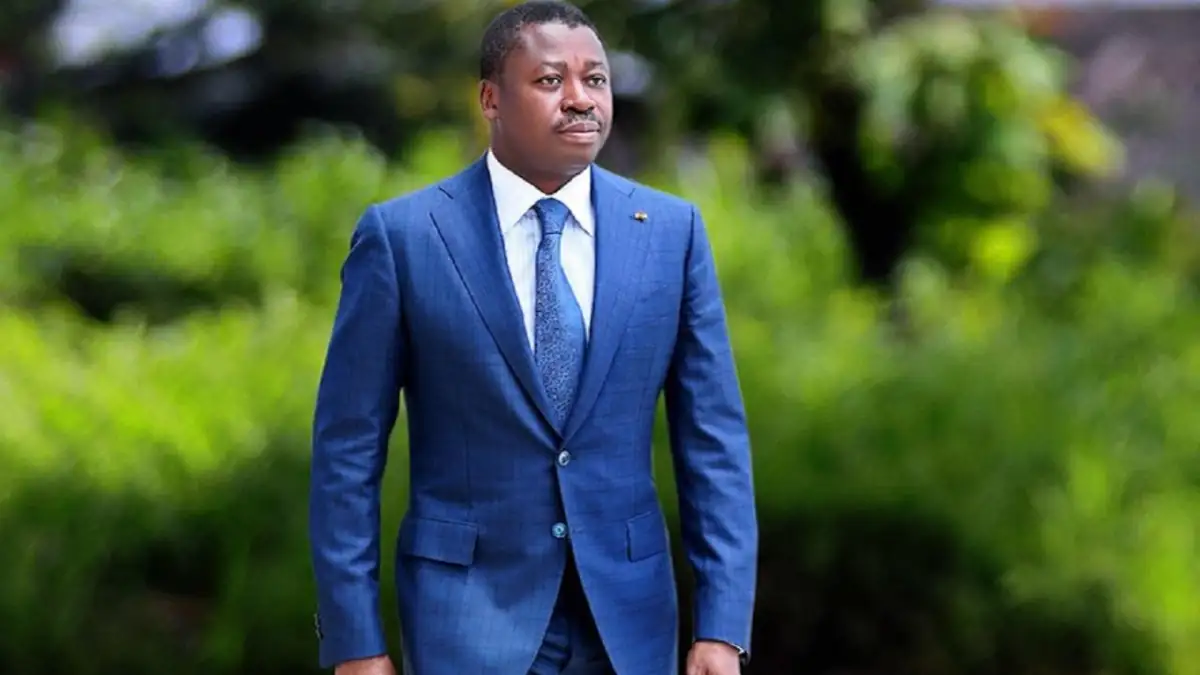
The Nuclear Energy Innovation Summit for Africa is in full swing in Kigali, Rwanda. High-level leaders from across the continent have gathered to shape the future of nuclear energy in Africa. Today, Togo’s President Faure Gnassingbé shared his bold vision, advocating for equitable collaboration between African nations and global nuclear energy stakeholders amid rising ambitions.
Speaking to attendees, the Togolese leader firmly rejected any notion of aid-based technology transfers. « Africa isn’t asking for handouts. It’s offering partnership. It’s presenting a market. It’s proposing a mature vision for its own energy future », he asserted.
African nations seek a stronger role in civil nuclear energy
This declaration comes as multiple African countries accelerate their civil nuclear energy programs. Egypt, for instance, is currently constructing the El Dabaa nuclear power plant with international technical and financial support. South Africa remains the continent’s sole operator of a functional nuclear facility at Koeberg.
According to the International Atomic Energy Agency, several African states are negotiating with foreign partners to expand nuclear power capabilities. The primary drivers include surging electricity demand and persistent gaps in energy access across the region.
Faure Gnassingbé’s remarks underscore a broader push by African nations to reframe nuclear energy negotiations, emphasizing mutual economic benefits and cooperative frameworks over one-sided technology transfers.
Natural resources and technological dependence
Africa holds significant nuclear resources, particularly uranium. Countries like Niger and Namibia are key producers of this critical mineral, essential for nuclear fuel. Despite these reserves, African nations remain heavily reliant on foreign technologies for designing, building, and operating nuclear plants. Current initiatives depend largely on technical partnerships with countries boasting advanced nuclear industries.
Workforce development, regulation, and funding: the pillars of progress
Key discussions at the summit have focused on the prerequisites for implementing nuclear projects in Africa. Experts highlighted the urgent need to bolster human capacity through specialized engineering and nuclear safety training. Establishing independent regulatory authorities is equally critical, serving as a foundation for any civil nuclear infrastructure development.
Financing remains a formidable challenge, with most projects requiring multi-billion-dollar investments over more than a decade. The next phase will involve finalizing cooperation agreements announced during the summit and laying the groundwork for national nuclear development programs in several African countries.