Abidjan hosts historic African economic summit on sovereignty and growth
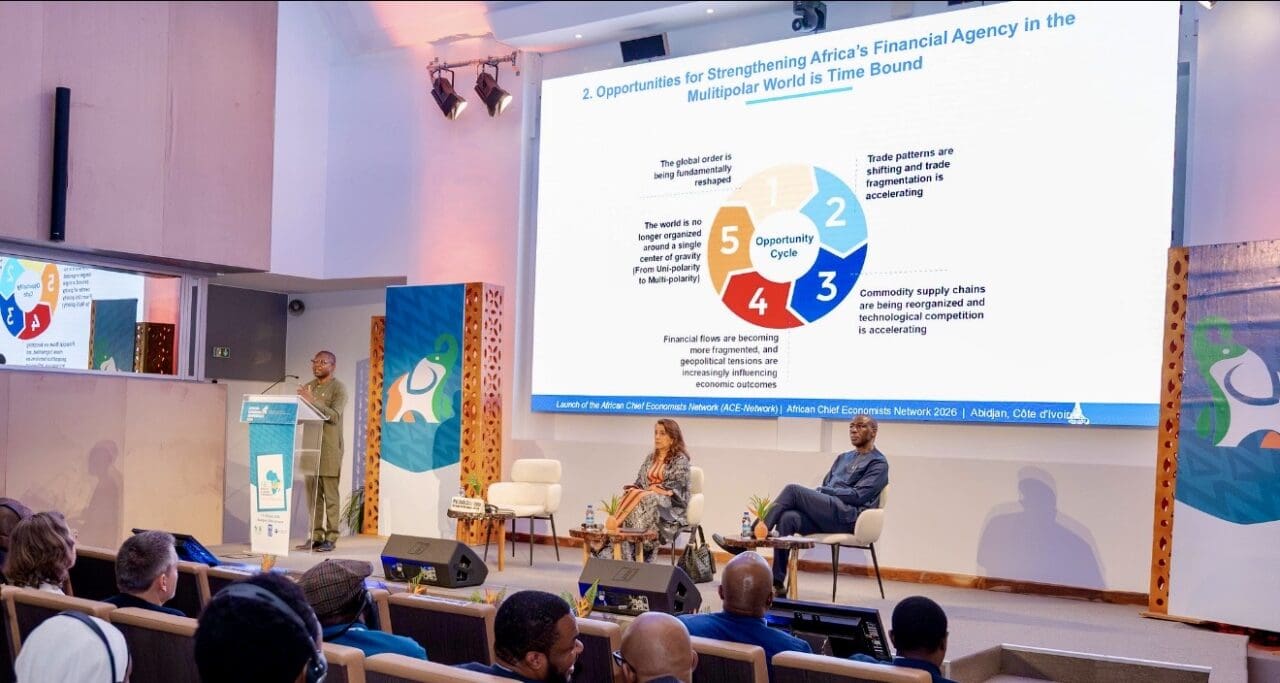
The African Economic Conference 2026 concluded in Abidjan with a bold vision: transforming Africa into a sovereign force in the global economy rather than a passive observer of its shifts. Over three days, policymakers, economists, and international partners explored how the continent can leverage geopolitical upheavals to its advantage through deeper integration, innovative financing, and unified action.
The final declaration underscored a pivotal shift in perspective. As Raymond Gilpin, Chief Economist at the UNDP Regional Bureau for Africa, emphasized, economic turbulence should not be seen as an insurmountable threat but as a catalyst for reform. « While global financial storms will persist, they cannot erode the fundamental resilience of African societies, » he noted. The call to action is clear: accelerate reforms, strengthen partnerships, and act with urgency to build the resilient, prosperous Africa the world needs.
Rethinking development strategies for a complex world
Ida McDonnell, Senior Advisor at the OECD, highlighted the need for integrated policy frameworks. « Trade, debt, climate, and fiscal policies are no longer isolated issues—they are deeply interconnected, » she argued. « A fragmented approach to development is obsolete in today’s rapidly evolving global landscape, where crises in one sector trigger cascading effects across economies. » The conference stressed the importance of data sharing and cross-institutional collaboration to inform smarter, more adaptive governance.
From dialogue to tangible progress
Marie-Laure Akin Olugbade, Vice President of the African Development Bank (AfDB), stressed the urgency of turning discussions into action. « The insights from Abidjan must now fuel concrete policies and development partnerships, » she stated. « Our goal is to strengthen Africa’s geopolitical agency and trade resilience in a world where fiscal constraints and global competition are intensifying. » The challenge lies in implementation, particularly in mobilizing resources amid tight budgets and shifting economic alliances.
Building Africa’s economic powerhouse
Ahunna Eziakonwa, UNDP Assistant Secretary-General and Regional Director for Africa, framed the conference as a starting point rather than an endpoint. « The real test begins now, » she declared. « We must dismantle barriers to intra-African trade, invest in innovation, and develop regional value chains to prepare our growing youth for a transformed global economy. » The summit’s message was unequivocal: Africa’s sovereignty will not come from alignment with foreign powers or isolationism but from its ability to create its own economic value, finance its growth, and defend its interests.
Abidjan as a hub for Africa’s new economic narrative
The 2026 edition also saw the launch of the African Chief Economists Network (ACE Network) and the annual meeting of the Global Development Finance Chief Economists Network. These initiatives reflect a broader evolution in Africa’s development discourse—one where the focus is no longer on begging for assistance but on shaping the rules of the global economy. With international power structures in flux, organizers believe Africa stands at a historic crossroads. The next step? Translating ambition into policies, investments, and measurable outcomes to ensure the promises of the summit extend beyond rhetoric and foster a more sovereign, resilient, and influential continent.