Why the Gasabo Gold refinery draws US Treasury scrutiny

The Gasabo Gold refinery has become the latest focus of US Treasury sanctions, raising questions about its financial ties to regional conflicts. Operated in the heart of Rwanda, the facility has drawn attention due to its alleged involvement in gold trade networks suspected of funding armed groups in Democratic Republic of Congo (DRC). While officials in Kigali deny any wrongdoing, the scrutiny underscores growing international pressure on illicit financial flows in Africa.
How sanctions could reshape Rwanda’s gold trade
The US Treasury’s Office of Foreign Assets Control (OFAC) has placed the company behind Gasabo Gold on its Specially Designated Nationals (SDN) list, effectively barring American entities from conducting business with it. This move follows investigations into the refinery’s supply chains, which allegedly source gold from conflict zones in DRC.
Experts warn that the sanctions could disrupt Rwanda’s gold export industry, valued at hundreds of millions annually. The country, long seen as a regional financial hub, now faces reputational risks that may deter foreign investors. Rwanda’s President Paul Kagame has yet to publicly address the issue, but industry insiders suggest the government is reviewing compliance protocols.
DRC’s accusations and Rwanda’s response
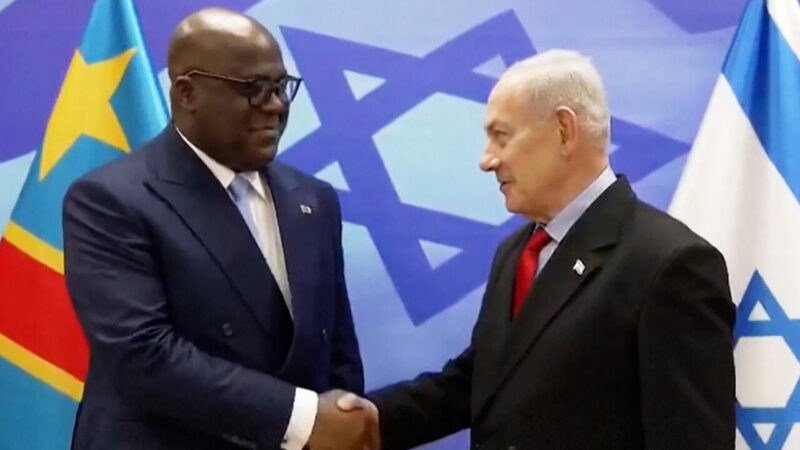
The controversy stems from DRC’s repeated allegations that Rwandan-backed armed factions profit from illegal gold mining in eastern provinces. President Félix Tshisekedi has accused Kigali of fueling instability by facilitating the trade of conflict minerals. However, Rwanda has consistently denied these claims, arguing that its refineries operate within legal frameworks.
Analysts point out that the Gasabo Gold case highlights a broader challenge: the lack of transparency in cross-border mineral trade. Without robust tracking systems, gold from DRC’s conflict zones can easily be laundered through neighboring countries like Rwanda and Uganda.
What happens next?
For the Gasabo Gold refinery, the path forward remains uncertain. Compliance measures, such as third-party audits, may be required to lift sanctions. Meanwhile, Rwanda could face additional scrutiny from international bodies like the UN Group of Experts, which monitors sanctions violations in the region.
The case also raises questions about the role of global powers in curbing illicit financing. With US Treasury sanctions tightening, other African nations may soon find themselves under similar pressure to enforce stricter controls on their extractive industries.