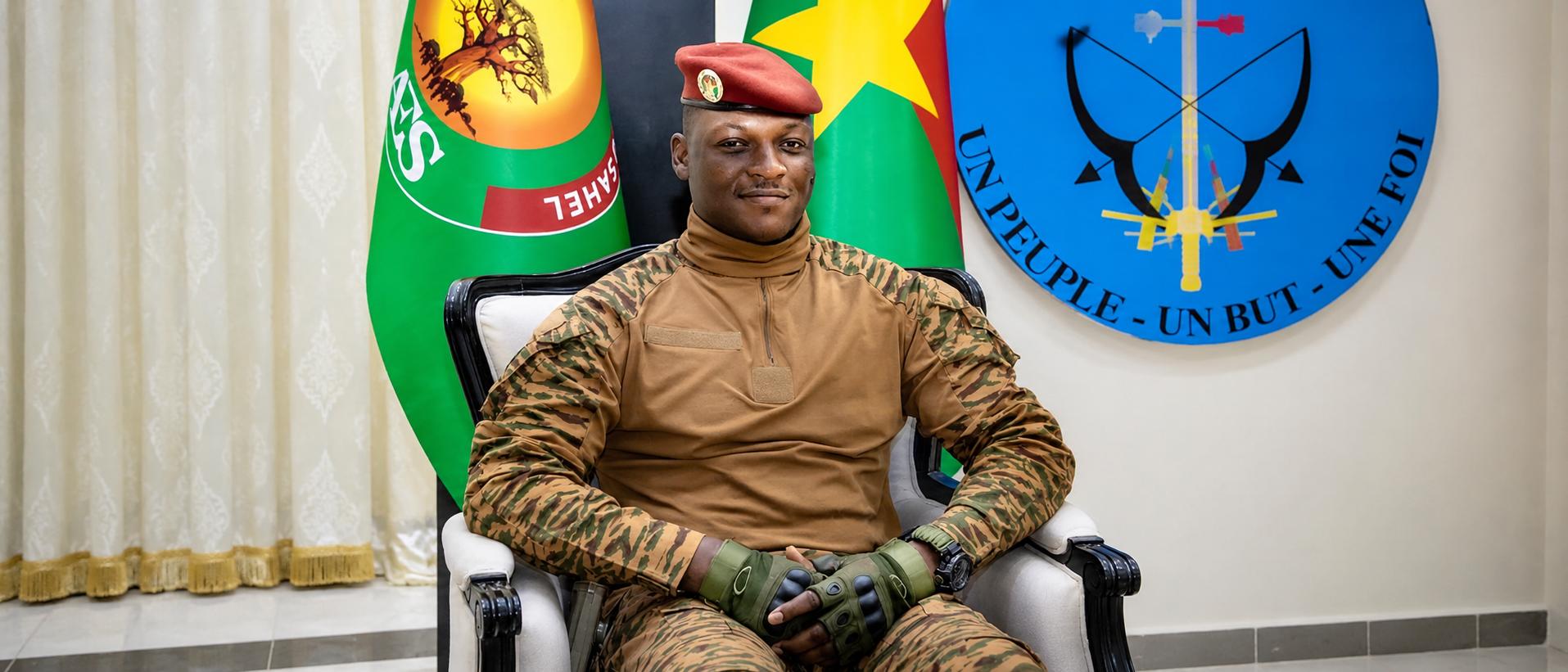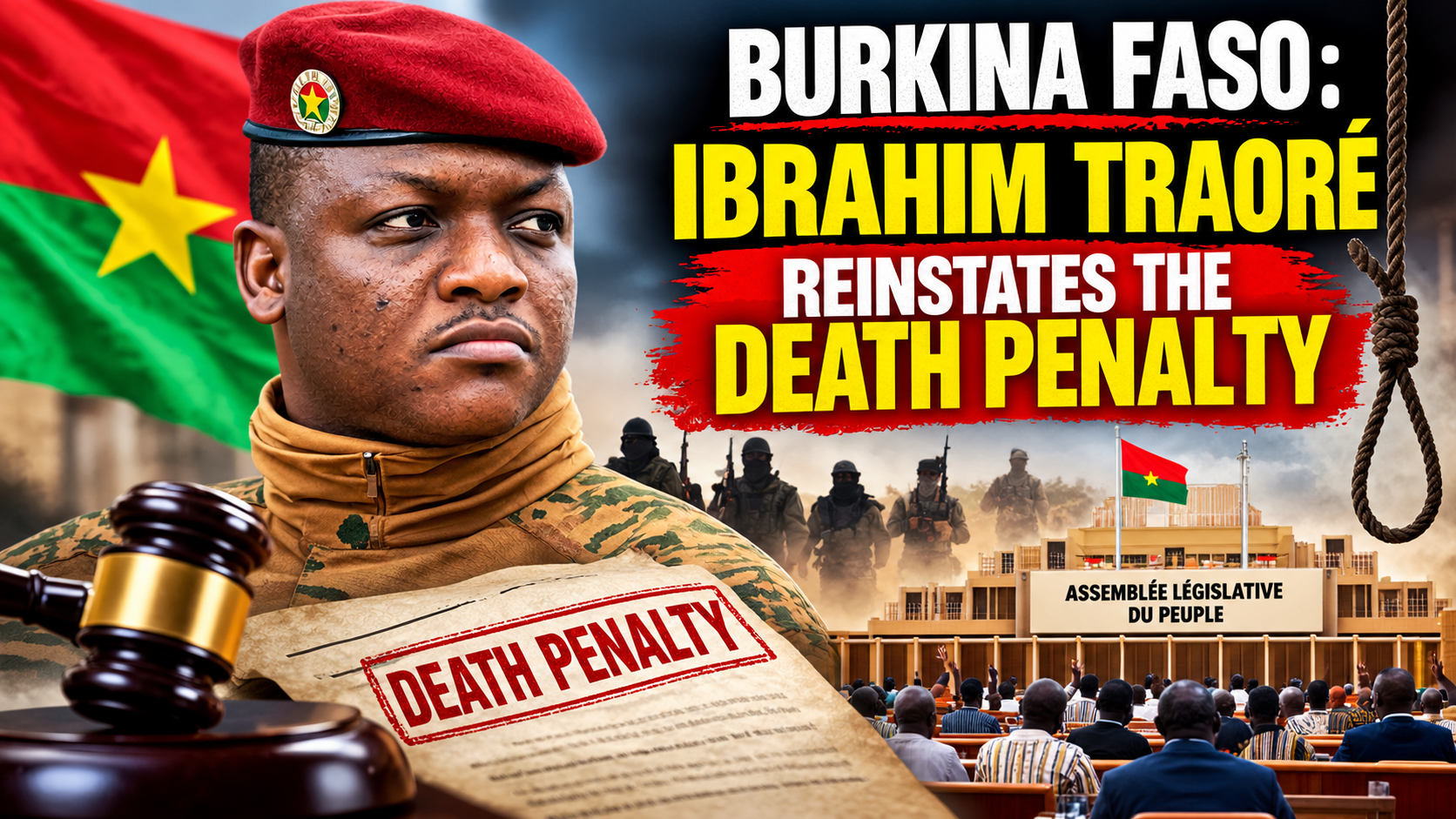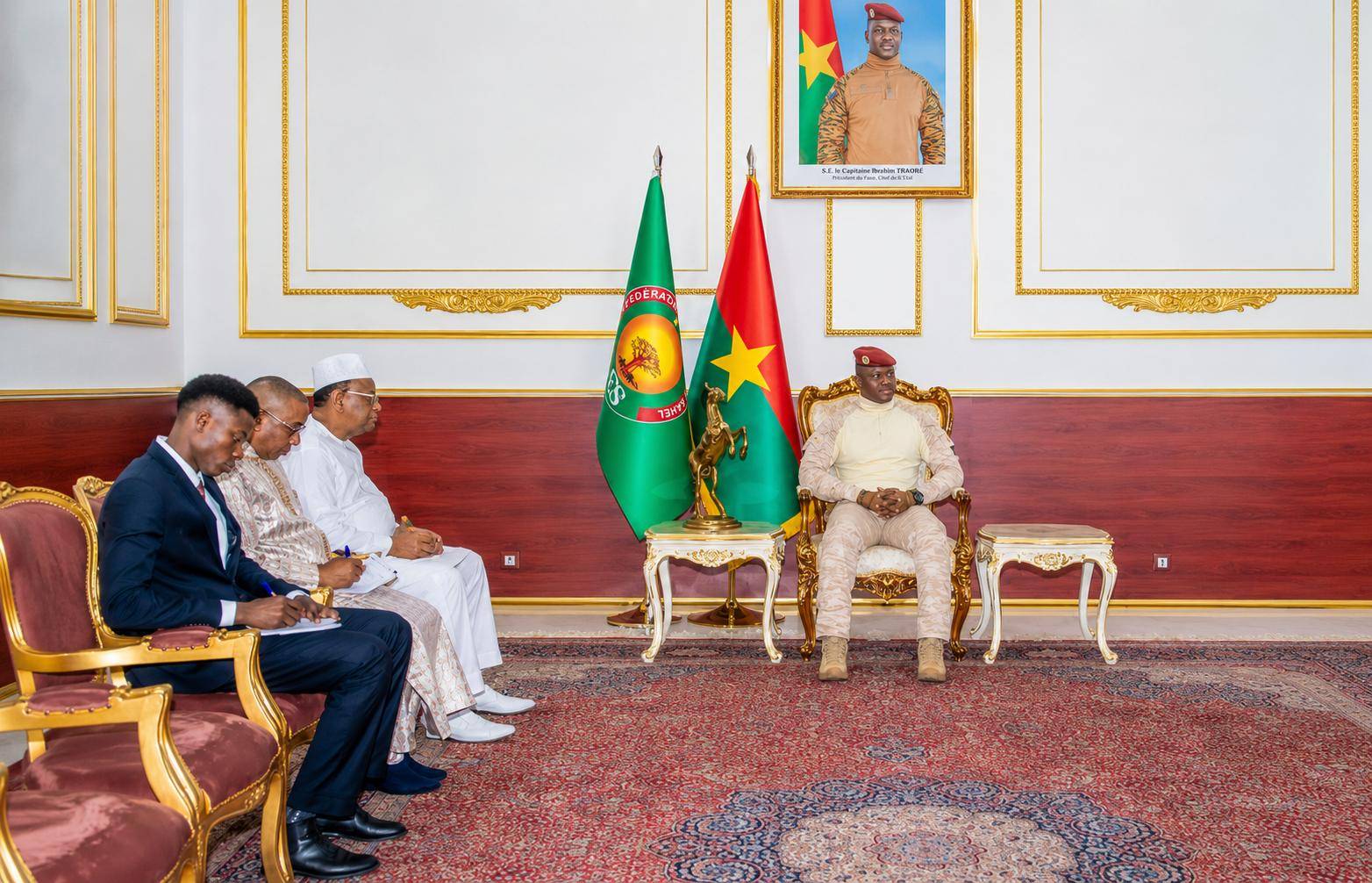
The latest visit by Lansana Kouyaté, ECOWAS mediator for the Alliance of Sahel States (AES), to Ouagadougou has reignited discussions on the role of regional diplomacy. Standing before Captain Ibrahim Traoré, the envoy emphasized the necessity of cooperation, underscoring an undeniable truth: political decrees cannot sever the deep ties binding West African nations. While the regional bloc’s pragmatic approach deserves credit, it faces a growing tide of skepticism fueled by a history of unfulfilled promises.
Why dialogue matters: balancing pragmatism and survival
Dismissing ECOWAS’s outstretched hand would overlook a critical reality: the bloc’s decision to prioritize dialogue over confrontation reflects a much-needed political maturity. In a region where economic lifelines are fragile, cutting off ties would have devastating consequences.
• The humanitarian lifeline: Over 70% of trade for landlocked Sahel nations—Burkina Faso, Mali, and Niger—flows through coastal ECOWAS ports. An abrupt severing of these connections would suffocate populations already grappling with terrorism and poverty. ECOWAS’s refusal to penalize civilians for their leaders’ choices is both justified and necessary.
• The terrorism paradox: Jihadist groups operate beyond the confines of treaties like those of the AES or ECOWAS. Claiming to combat insecurity without a cohesive cross-border strategy is a military fallacy. ECOWAS’s efforts to salvage what remains of regional security cooperation are commendable, even if imperfect.
Skepticism’s sting: a history of broken pledges
While ECOWAS’s intentions may be noble, optimism must be tempered by hard lessons from the past. The military regimes in the AES share a troubling pattern: a disregard for commitments, whether to the international community or their own people.
The timeline of deception
From Mali to Burkina Faso, the initial transition timelines—ranging from 18 to 24 months—have been unilaterally discarded. Elections, once promised, are indefinitely postponed under the guise of security imperatives, leaving constitutional order in limbo.
1. Inconsistent international engagement: ECOWAS has repeatedly witnessed agreements signed in Bamako or Ouagadougou later renounced in the name of