Us considers military strikes against jihadist group in Mali amid rising tensions
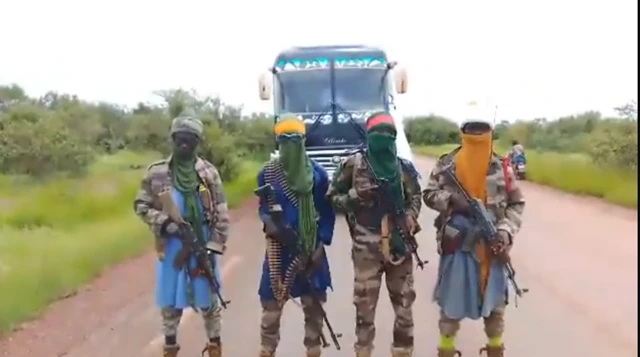
In a significant shift in its counterterrorism strategy, the United States is weighing military action against a major jihadist faction operating in West Africa. Discussions within the Trump administration have intensified around the possibility of targeted strikes against the Jama’at Nusrat al-Islam wal-Muslimin (JNIM), an Al-Qaïda affiliate with deep roots in Mali, more than four years after France’s withdrawal from the region.
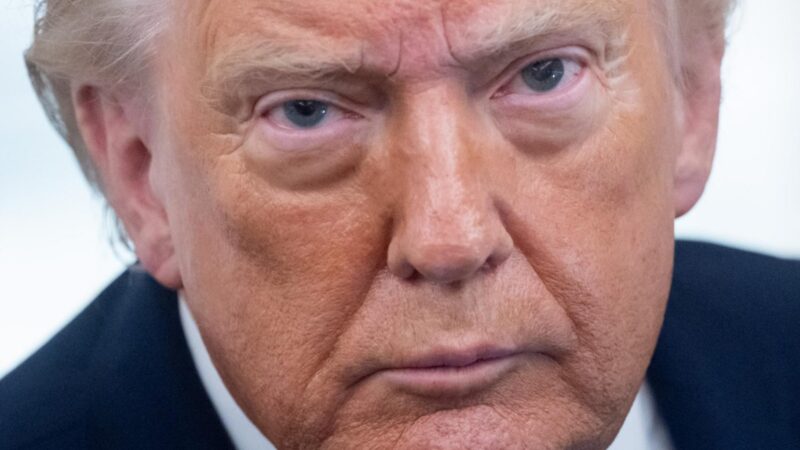
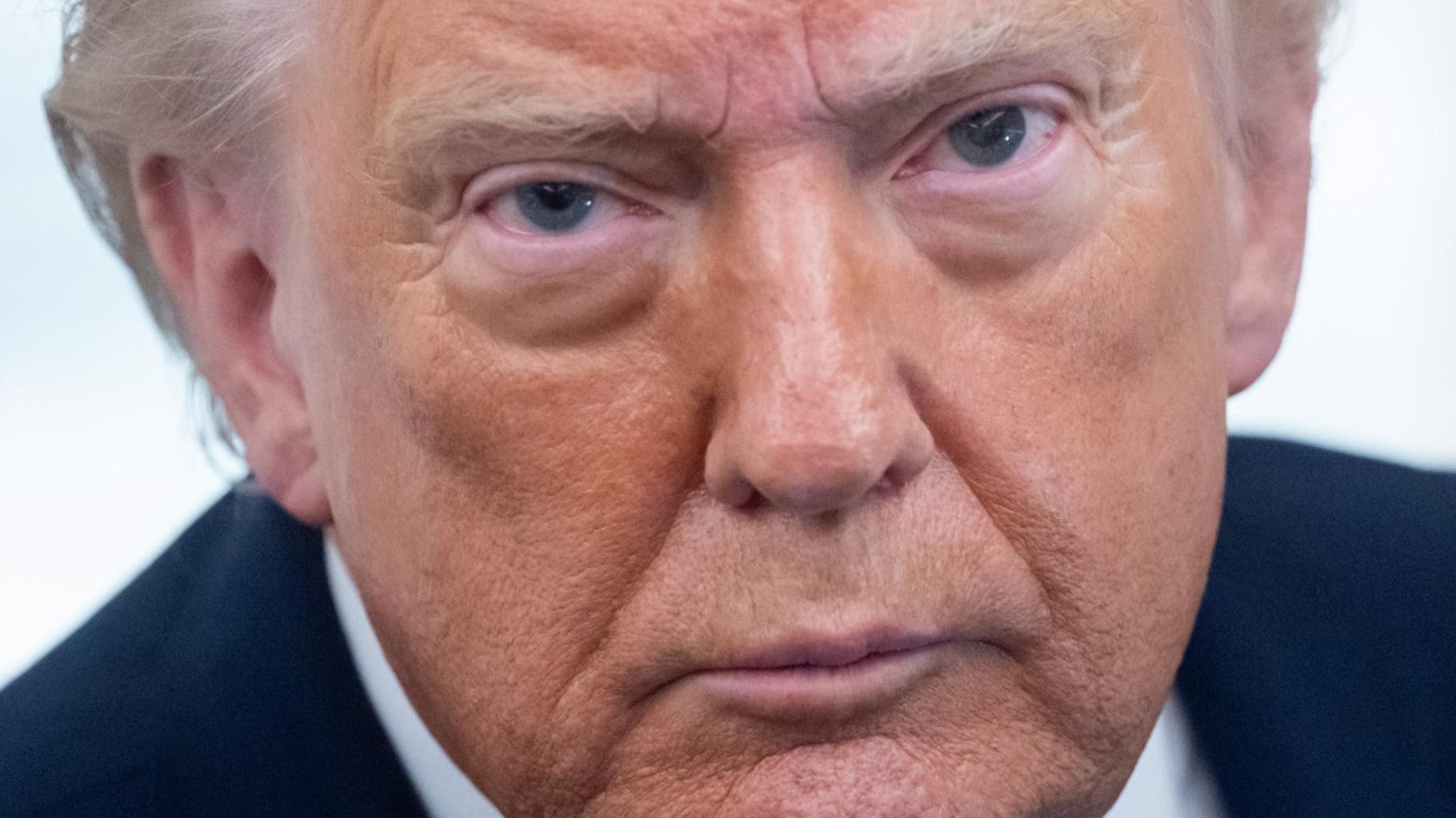
The proposal remains under review, with key officials divided on its potential impact. Sebastian Gorka, a prominent counterterrorism advisor in the National Security Council, has emerged as a leading advocate for military intervention. However, other voices within the administration express skepticism about the long-term effectiveness of such measures. If authorized, these strikes would mark the eighth country targeted by U.S. operations since Donald Trump’s second term began.
The White House has not formally confirmed the possibility of strikes, though a senior administration official acknowledged that Washington is actively encouraging North and West African nations to bolster their anti-jihadist capabilities by acquiring U.S.-made equipment and services. The official described the terror threat in the Sahel as a « multinational challenge », emphasizing the need for regional cooperation.
The JNIM has grown into one of the most formidable armed groups in West Africa, originating in Mali before expanding its reach into neighboring coastal states. Security analysts warn that the group’s influence has surged in recent years, fueled by the deteriorating situation across the Sahel.
potential risks of military escalation in the Sahel
Critics caution that a U.S. military campaign targeting JNIM could have unintended consequences. Independent Sahel expert Corinne Dufka cautioned that eliminating key leaders without a broader strategy could undermine efforts to deradicalize and dismantle the group, which remains one of the most sophisticated jihadist organizations in the world.
Some analysts argue that even well-executed strikes may fail to produce lasting change on the ground. France’s decade-long military presence in the region, followed by five years of Russian support in Mali, has not succeeded in halting the spread of jihadist influence. There are concerns that U.S. intervention could similarly fall short of its objectives.
Another major concern is the potential for unintended consequences, including the empowerment of rival armed groups. The Islamic State in the Sahel, a direct competitor of JNIM, could exploit any weakening of the latter to expand its own operations. Additionally, analysts fear that U.S. strikes might escalate tensions with Russian forces already active in Mali, where Moscow has offered security support to multiple African nations—though with mixed results.
A U.S. official expressed hope that African governments would take note of Russia’s uneven performance in counterterrorism efforts, stating, « We hope regional partners recognize the limitations of external security models that fail to deliver sustainable solutions. »