Unusual french intelligence memo targets Wagner defector welcomed in europe
Across Europe, intelligence services are stepping up behind-the-scenes efforts to disrupt Moscow’s shadowy oil networks. While Brussels leads the public charge with sweeping sanctions and regulatory crackdowns, a select group of nations is quietly feeding critical intelligence to the bloc’s enforcement agencies.
When sanctions meet shadow fleets
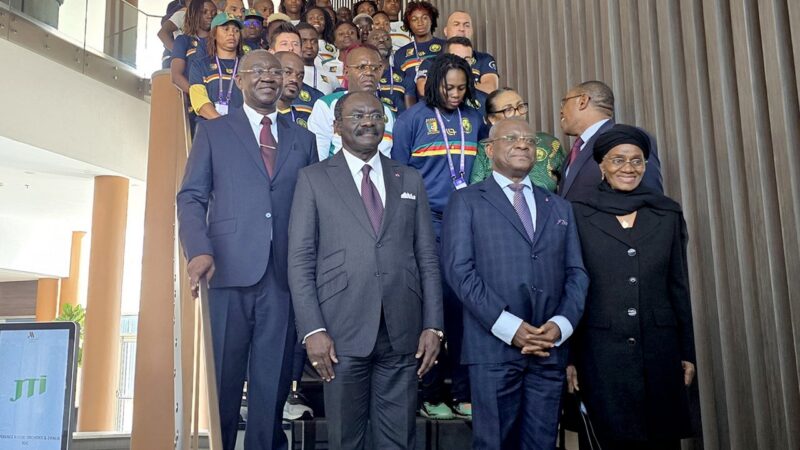
The European Union has intensified its scrutiny of vessels suspected of transporting Russian oil under false flags. Under mounting pressure, one African nation recently took decisive action—Cameroun banned the illicit use of its maritime registry for such clandestine operations. This move follows earlier EU warnings that countries enabling these smuggling routes risk severe diplomatic and economic consequences.
Diplomatic maneuvering behind closed doors
While Brussels projects a unified stance, internal EU documents reveal that a handful of member states are actively gathering and sharing intelligence. These findings often originate from national monitoring systems, including financial audits, satellite tracking, and cooperation with regional maritime authorities. The goal: to identify, expose, and dismantle the intricate web of shell companies and flagged vessels that facilitate oil smuggling from Russia to global markets.
Why covert tracking matters
These backchannel efforts are vital because the so-called shadow fleet—a network of aging tankers and deliberately obscured ownership—operates beyond traditional regulatory reach. By intercepting intelligence early, European capitals aim to preempt attempts to reroute oil through alternative ports or registries, ensuring sanctions bite where they are intended to.