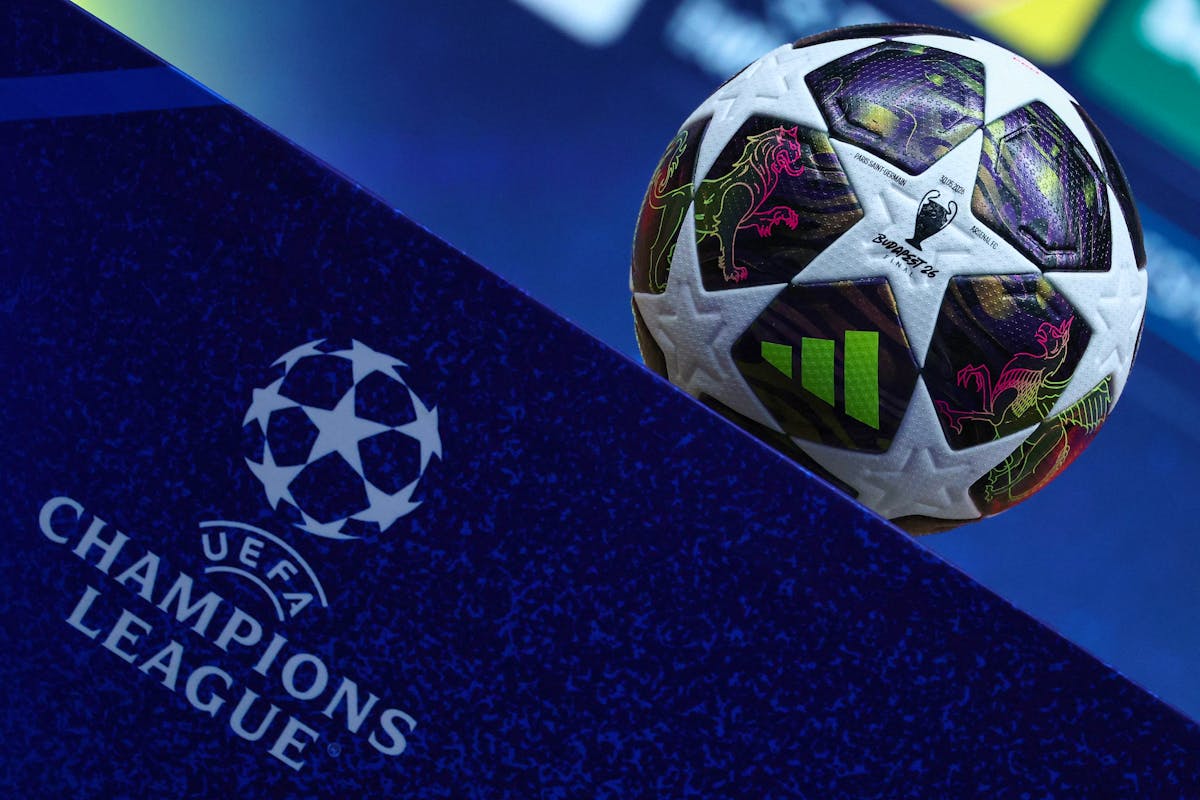
The highly anticipated Champions League final between Paris Saint-Germain and Arsenal, set to take place in Budapest this Saturday, will kick off at 18:00 instead of the usual 21:00. UEFA has outlined the strategic reasons behind this shift, marking a significant change for one of football’s most prestigious events.
Announced last August, this adjustment is not a one-off but will apply to all upcoming Champions League finals. While it may have seemed minor at the time, its effects will be felt across teams, fans, and broadcasters alike.

Logistical and tactical advantages for all stakeholders
UEFA’s primary motivation is to streamline operations for participating clubs and local organizers. An earlier kick-off means teams can conclude their post-match duties sooner, reducing fatigue after grueling campaigns. Logistics around the stadium—from player arrivals to broadcast setups—also stand to benefit from the adjusted timing.
For supporters, the change offers a practical advantage: more time to travel home or celebrate a potential victory in local bars and restaurants. UEFA also anticipates improved fan experiences, particularly for families watching on television in Europe, where an 18:00 start keeps children engaged without disrupting sleep schedules.
Boosting global engagement
The new schedule is also tailored to enhance accessibility for Asian audiences, a key market for European football. Historically, finals at 21:00 meant viewers in Asia had to wake up in the middle of the night to catch the action. The 18:00 kick-off aligns better with prime viewing times, making the event more convenient for millions of fans.
Additionally, the shift supports local economic growth in the host city by extending the time available for post-match celebrations in restaurants, cafes, and entertainment venues. Media coverage and post-match analysis also gain breathing room, allowing for deeper discussions without the constraints of late-night deadlines.
A lasting change for future finals
The decision reflects UEFA’s broader strategy to modernize the competition, balancing player welfare, fan experience, and commercial appeal. While some may miss the tradition of a late-night final, the benefits—from reduced travel stress for teams to broader global reach—position this adjustment as a win for the future of the tournament.