Unhcr issues urgent plea as Sahel displacement reaches four million people
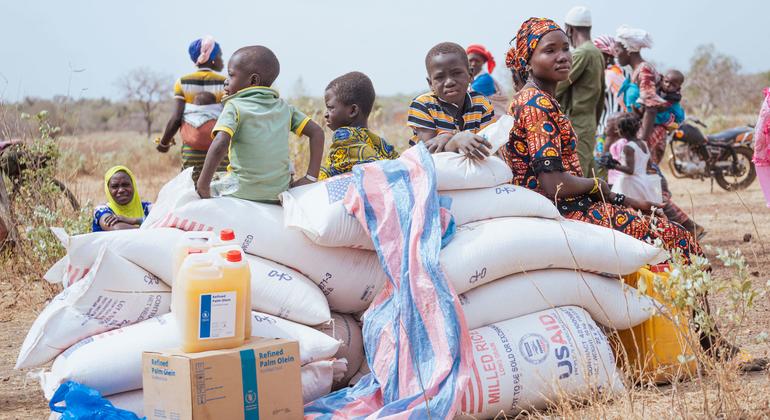
The United Nations Refugee Agency (UNHCR) has issued a desperate call for international intervention as the number of displaced individuals in the Sahel and surrounding territories hits a staggering four million. This figure represents a 66% increase over the last five years, driven by a volatile mix of security Sahel threats, dwindling access to basic services, and the escalating impact of the climate crisis.
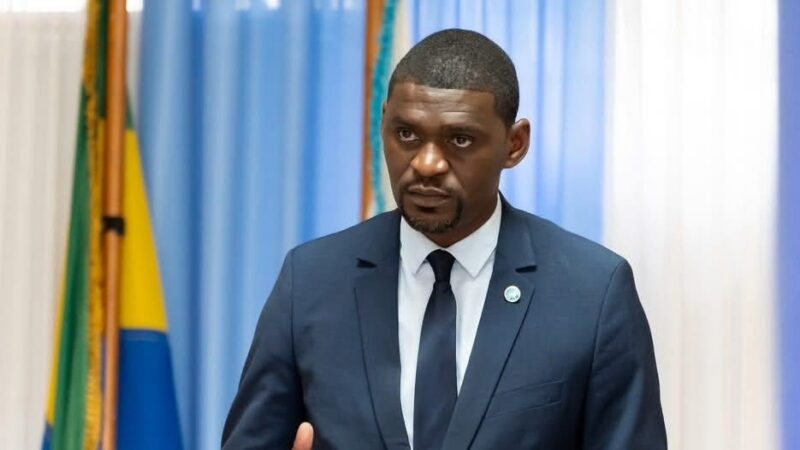
Abdouraouf Gnon-Konde, the UNHCR Regional Director for West and Central Africa, highlighted that while many remain within their national borders, cross-border migrations are rising. This trend is placing immense strain on the infrastructure and host communities in Mali, Burkina Faso, and Niger.
Severe funding shortages and budget cuts
The humanitarian Sahel response is currently facing a critical financial deficit. Since 2022, needs have surged while available resources have plummeted. For the current year, the UNHCR has secured less than a third of its required $409 million budget. This shortfall has crippled essential services such as healthcare, education, and legal documentation.
According to Gnon-Konde, over 212,000 asylum seekers and refugees across Burkina Faso, Mali, and Niger remain unregistered. This lack of documentation leaves them vulnerable to harassment and arbitrary detention, further complicating the political Sahel landscape.
Impact on women, children, and education
The ongoing West Africa Sahel news reports highlight that violence from armed groups continues to terrorize the population. Approximately 80% of those forced to flee are women and children, who face high risks of gender-based violence. Protection monitoring systems indicate a sharp rise in such incidents this year.
The security Sahel situation has also devastated social infrastructure:
- More than 14,800 schools have been forced to close as of mid-2025.
- Approximately 3 million children are currently without access to education or safe environments.
- Over 900 medical facilities have shut down, leaving millions without healthcare.
This educational void makes young displaced people easy targets for human trafficking and forced recruitment into armed groups. Furthermore, food insecurity has doubled as a primary reason for displacement, while climate-related shocks exacerbate competition for dwindling water and land resources, threatening the social fabric of the region. For a broader Sahel Vision of stability, immediate global support is non-negotiable.