UNESCO joins Cameroon to celebrate mother tongue day with multilingual education focus
UNESCO joins Cameroon to celebrate mother tongue day with multilingual education focus
The International Mother Language Day 2026 celebrations in Cameroon concluded with a vibrant ceremony in Nanga Eboko on February 27, capping a week of nationwide events dedicated to linguistic diversity and multilingual education.
The 27th edition, themed “Youth voices on multilingual education”, highlighted the pivotal role young learners play in preserving and promoting mother tongues—essential tools for learning and cultural heritage transmission.
Government and UNESCO reaffirm commitment to linguistic diversity
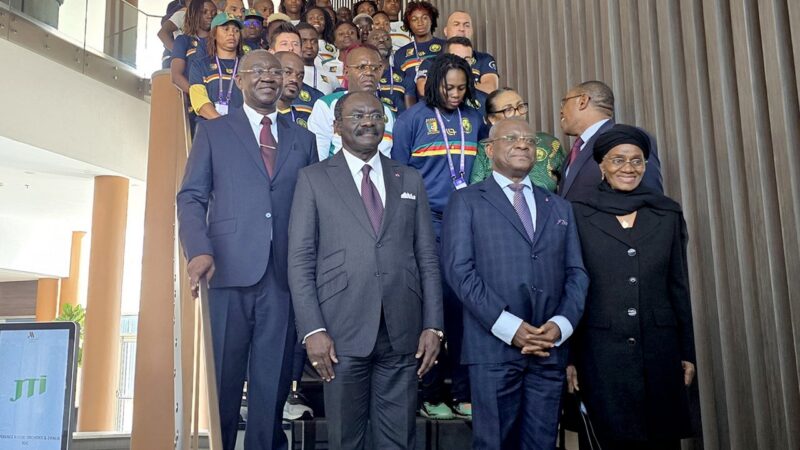
The closing ceremony was led by Cameroon’s Minister of Basic Education, Professor Laurent Serge Etoundi Ngoa, alongside UNESCO’s Central Africa Regional Director, Mr. Hilaire Mputu. Both emphasized the critical importance of mother tongue-based education, particularly in early schooling, as a cornerstone for improving educational quality and student success.
UNESCO’s global initiatives prioritize linguistic preservation and cultural diversity, recognizing them as vital pillars for sustainable development and inter-cultural dialogue. The annual International Mother Language Day, held every February 21, serves as a global platform to underscore the role of mother tongues in education, knowledge transmission, and social cohesion.
Cultural performances showcase Cameroon’s linguistic richness
Primary school students captivated the audience with cultural and linguistic performances, showcasing the vibrant diversity of Cameroon’s regional languages and traditions. These displays underscored how multilingual education fosters not only academic achievement but also cultural pride and social unity.
Through its active participation, UNESCO reaffirmed its dedication to supporting member states in advancing multilingual education and safeguarding linguistic heritage—aligned with the core objectives of International Mother Language Day.