Un challenges financial constraints impact drc’s un human rights probe
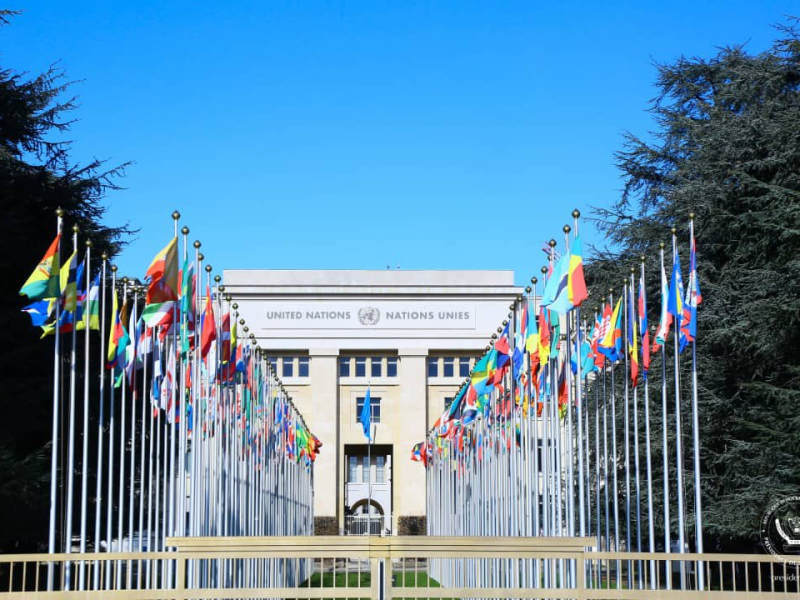
In a landmark session held in Geneva, the United Nations Human Rights Council convened its sixty-second session, featuring an Enhanced Interactive Dialogue (EID) that marked a pivotal moment for international scrutiny of the Democratic Republic of the Congo (DRC). For the first time, the Independent Commission of Inquiry on Human Rights Violations in the provinces of North Kivu and South Kivu presented its initial findings to the global community, following its maiden mission to Kinshasa, the capital of the DRC.
During this mission, the Commission engaged in extensive consultations with a wide array of stakeholders in Kinshasa. Meetings were held with representatives of organizations supporting victims and survivors, human rights defenders, civil society actors, government officials, United Nations entities, diplomats, and the national human rights institution. These interactions provided a comprehensive foundation for the Commission’s understanding of the complex challenges facing the region.
logistical and financial hurdles hinder critical investigations
Despite these efforts, the Commission faces significant obstacles in carrying out its mandate. The persistent insecurity and health crises in the eastern DRC, particularly in Goma, have prevented access to affected areas. Compounding these challenges are the financial constraints gripping the United Nations, which have severely impacted the Commission’s operational capacity. These limitations have directly affected the Commission’s ability to deploy investigators, secure interpretation services, conduct analytical work, fund field missions, and maintain a consistent presence on the ground.
Arnauld Akodjenou, Chairperson of the Commission, emphasized the gravity of the situation, stating: “The broader financial constraints faced by the United Nations have had a direct impact on our operational capacity, particularly our deployable investigative capacity, interpretation support, analytical backing, mission funding, and sustained field presence. Despite these challenges, the Commission remains fully committed to fulfilling its mandate with independence, diligence, and unwavering dedication. The suffering brought to our attention demands sustained attention, rigorous investigations, and resolute international commitment.”
The Chairperson also underscored the critical need for all parties and actors with control or influence to facilitate safe, rapid, and unhindered humanitarian access, particularly for women, children, persons with disabilities, the elderly, and other vulnerable groups. He stressed that humanitarian workers, medical personnel, and protection actors must be able to safely reach victims and affected communities, particularly in the context of Ebola response efforts.
Furthermore, Akodjenou warned against any intimidation, retaliation, or reprisals against victims, witnesses, human rights defenders, journalists, or community representatives for collaborating with United Nations mechanisms, including this Commission. He highlighted the Council’s mandate for the Commission to establish facts, preserve evidence, identify those responsible for accountability, and examine the root causes of recurring violence in the region.
a mandate rooted in addressing deep-seated crises
The Independent Commission of Inquiry on Human Rights in the provinces of North Kivu and South Kivu was established by the United Nations Human Rights Council on February 7, 2025, during a special session dedicated to the human rights situation in the eastern DRC. The resolution S-37/1 tasked the Commission with investigating alleged human rights violations and international humanitarian law violations, including those affecting women and children, gender-based and sexual violence, and crimes against displaced or refugee populations.
The Commission is also charged with examining potential international crimes in the context of the recent escalation of hostilities that began in January 2025 and continues to unfold in North Kivu and South Kivu. Its work is crucial in shedding light on the multifaceted crises plaguing the region, including conflict-related violence, humanitarian access challenges, and the devastating impact on civilian populations.
urgent calls for accountability and protection
Akodjenou concluded by stressing the importance of protecting the safety, dignity, and trust of victims and witnesses. He reiterated the Commission’s resolve to ensure that justice is served and that the voices of those affected are heard. As the Commission continues its investigations, the international community’s support and commitment to addressing these crises remain paramount.