Burkina Faso’s educational reform sparks discussion over ties with Russia
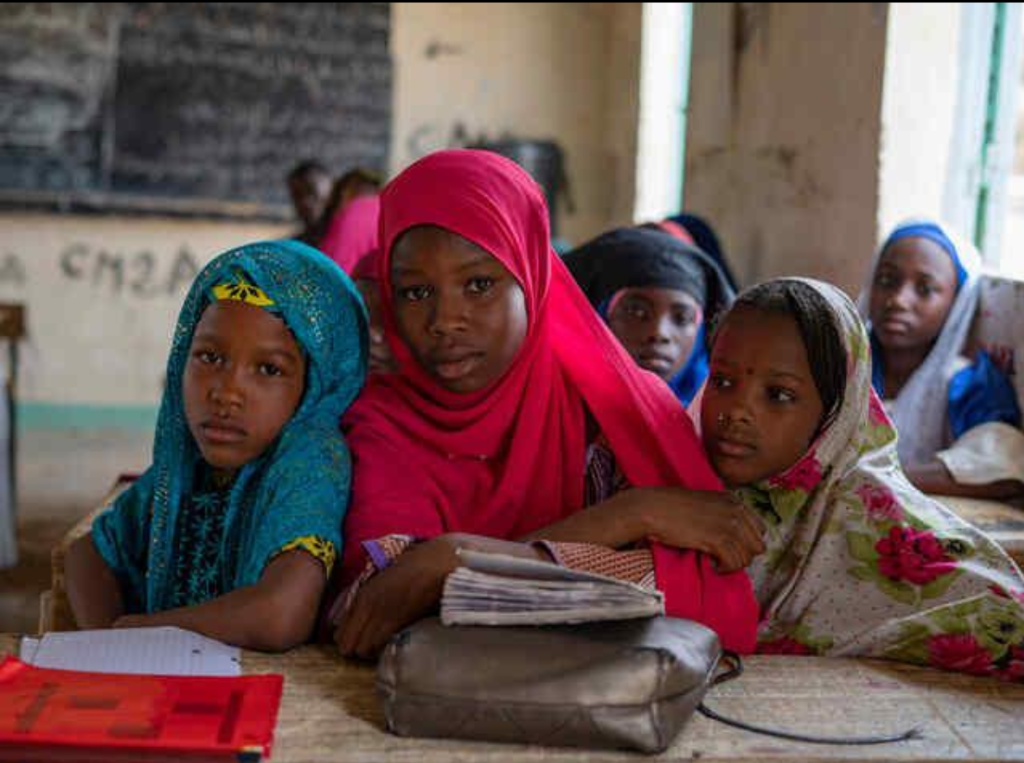
In a move that has intensified public discourse, Burkina Faso is set to introduce Russian language instruction in its national curriculum beginning with the upcoming academic year. While officials frame the decision as an effort to broaden international partnerships and academic exchanges, critics argue it signals a deeper strategic alignment with Moscow amid Russia’s ongoing war in Ukraine.
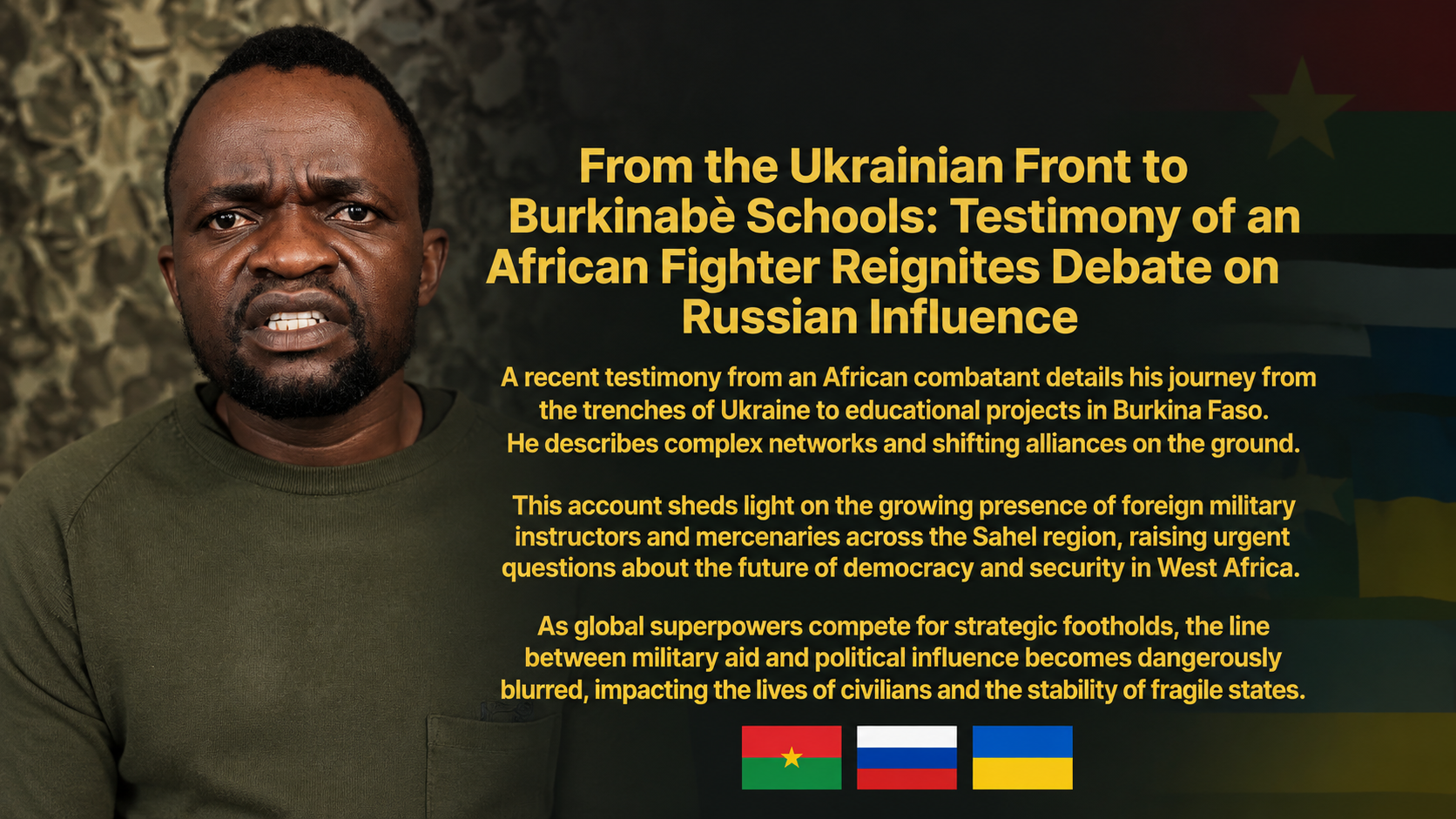
The debate gained new momentum following the widely circulated account of Tatenda Tarwire, a Zimbabwean national who served in Russian military ranks. Tarwire described harrowing experiences on the Ukrainian front, citing brutal combat conditions, high casualty rates, and the distress of families left without information about missing or deceased soldiers. His testimony has raised concerns about the risks faced by African recruits drawn by promises of financial compensation, training, or overseas opportunities, often without full awareness of the realities they would encounter.
Diplomatic and educational outreach in West Africa
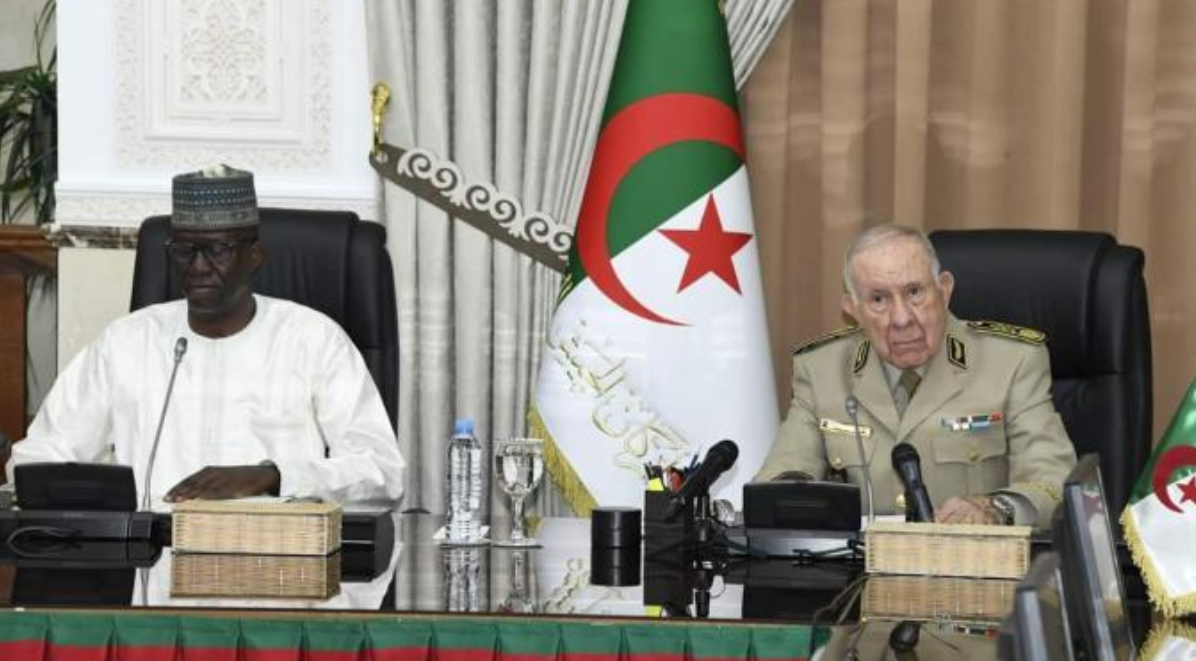
The initiative in Burkina Faso reflects a broader pattern of Russian engagement across Africa over recent years. Through a mix of diplomacy, military cooperation, economic agreements, and cultural initiatives, Moscow has sought to expand its influence on the continent. For a country like Burkina Faso, which has faced internal instability and regional security challenges, diversifying international alliances may be seen as a pragmatic approach to securing new partnerships in education, security, and development.
Proponents of the reform emphasize that learning Russian—like any other foreign language—can offer Burkinabè youth access to scientific research, academic scholarships, and professional opportunities in sectors ranging from technology to energy. They argue that linguistic diversity strengthens national sovereignty by reducing dependency on traditional Western partners and fostering a more multipolar educational landscape.
Opponents, however, question whether the timing and context of this decision are purely academic. They point to the geopolitical symbolism of the move, especially as Russia continues its military campaign in Ukraine and pursues active influence campaigns across Africa. To them, the integration of Russian into the school system is not merely about language acquisition—it is a visible step toward deeper political and security cooperation with Moscow.
A call for clarity and critical reflection
As the government prepares to implement the new language program, calls have grown for greater transparency regarding the agreements, funding, and pedagogical frameworks involved. Parents, educators, and civil society stakeholders are asking for detailed disclosures on curriculum content, teacher training, and the long-term vision for this educational shift. There are concerns about potential ideological influence, the independence of the national education system, and the safeguarding of Burkinabè values in a rapidly evolving global context.
Meanwhile, the case of Tatenda Tarwire serves as a stark reminder of the human cost behind geopolitical ambitions. Multiple reports have documented the recruitment of foreign fighters for the Ukraine conflict, often under misleading pretenses. The lack of transparency around contracts, compensation, and post-deployment support has left many families in anguish, with little recourse or information.
As Burkina Faso navigates this pivotal moment, the educational choices made today will shape the worldview of its next generation. More than a linguistic shift, this reform invites a broader reflection on national priorities, sovereignty, and the kind of future the country envisions for its youth. In an era marked by global uncertainty, the ability to analyze, question, and make informed decisions remains one of the most valuable skills any education system can impart.