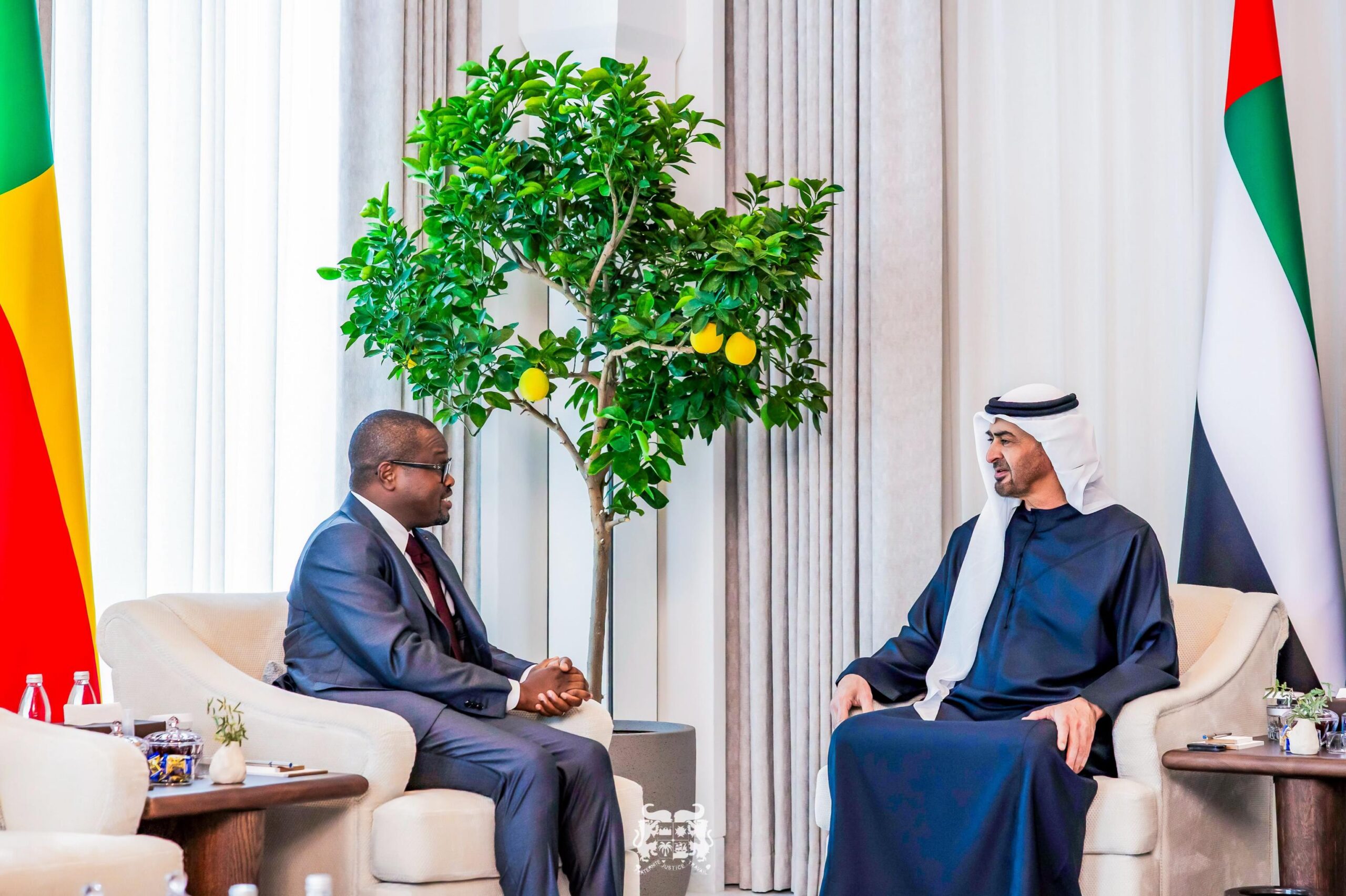
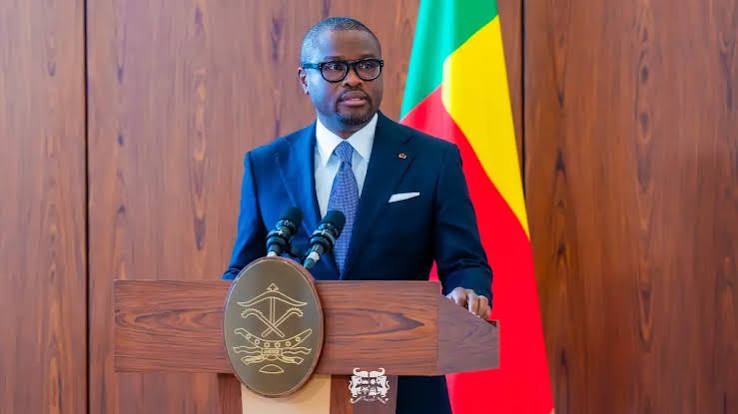
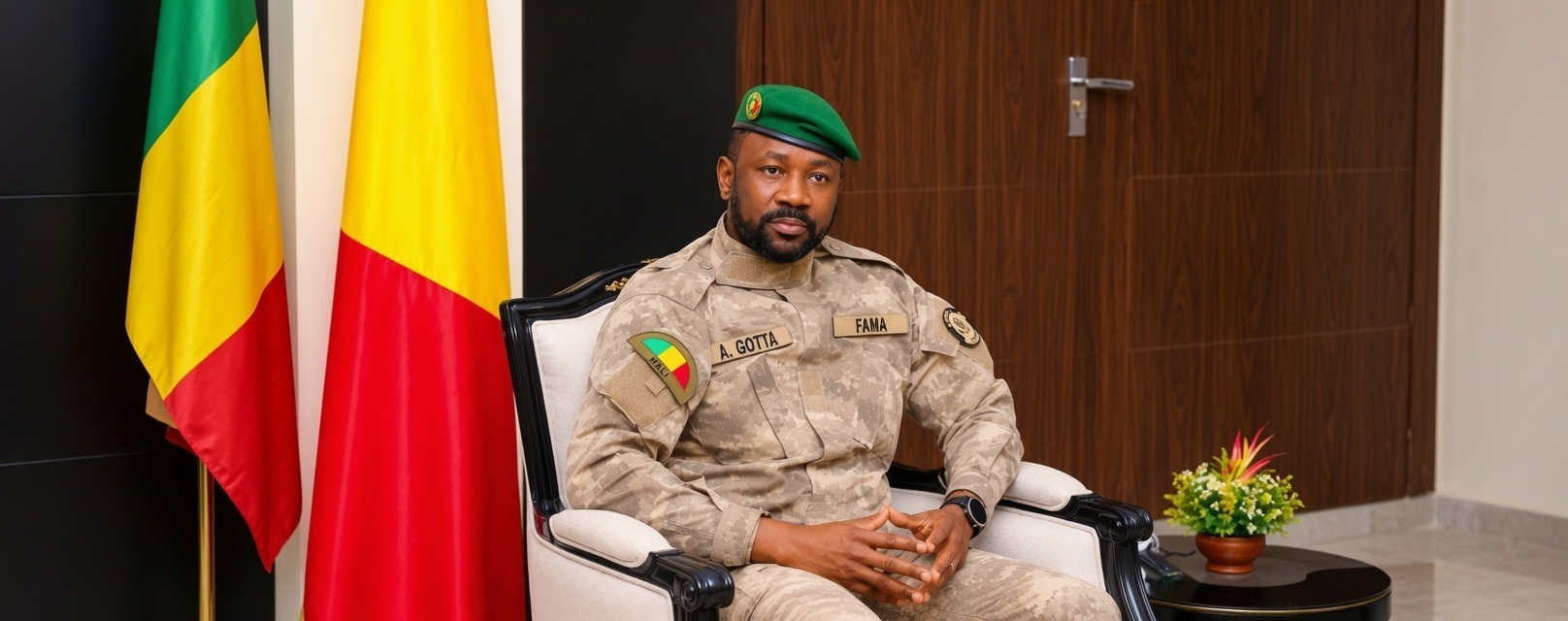
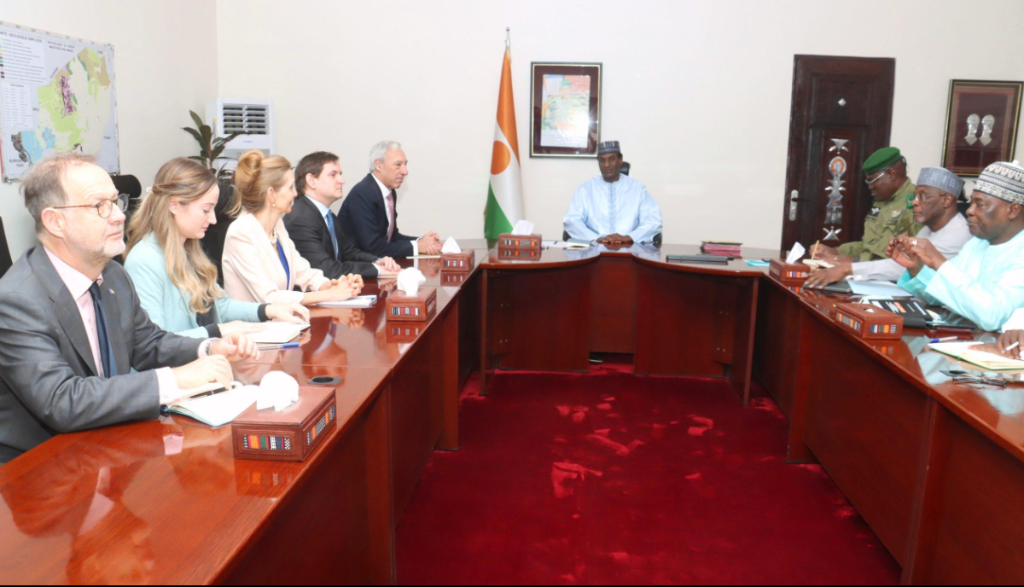
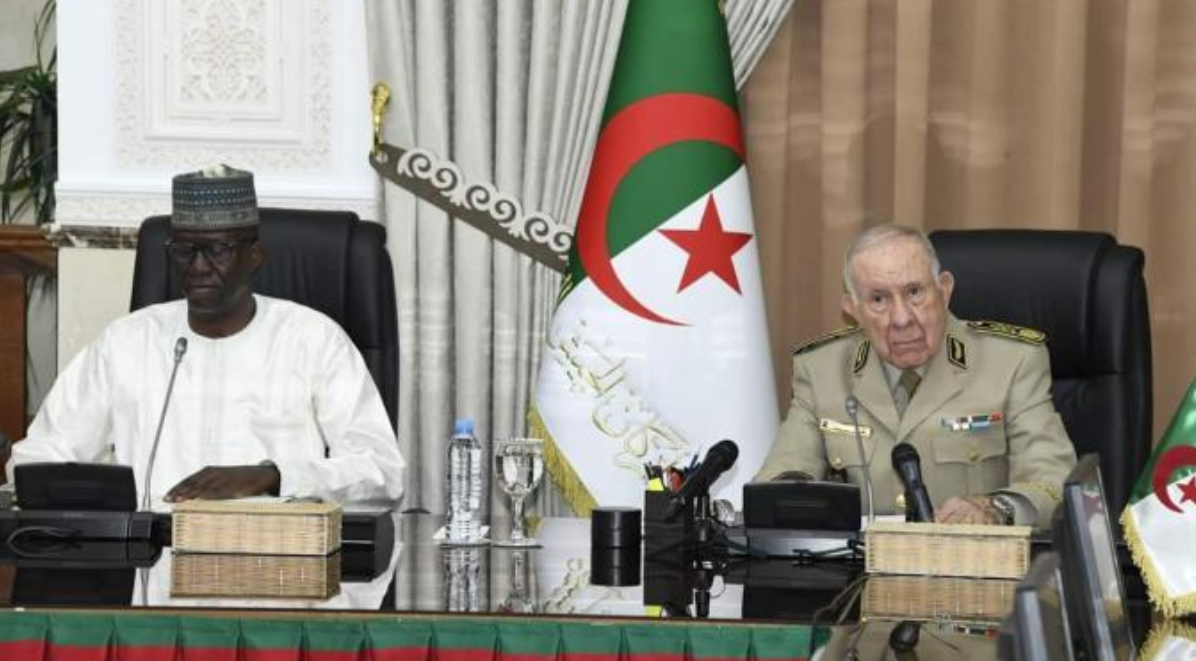
During an official visit to Ankara, General Abdourahamane Tchiani delivered a statement that sent shockwaves through international observers. He disclosed that Turkish President Recep Tayyip Erdogan had authorized the delivery of military equipment to Niger prior to any financial settlement. While Niamey’s leadership presents this as a gesture of solidarity, the deviation from established international arms trade protocols reveals the intricate dynamics of a partnership that could compromise aspects of Niger’s sovereignty.
the financial opacity behind deferred payments
The global arms trade operates under a fundamental principle: every delivered weapon must ultimately be paid for, whether through direct means or indirect arrangements. Niger’s immediate financial constraints have necessitated the activation of alternative compensation mechanisms to facilitate this transaction.
exploring natural resource barter agreements
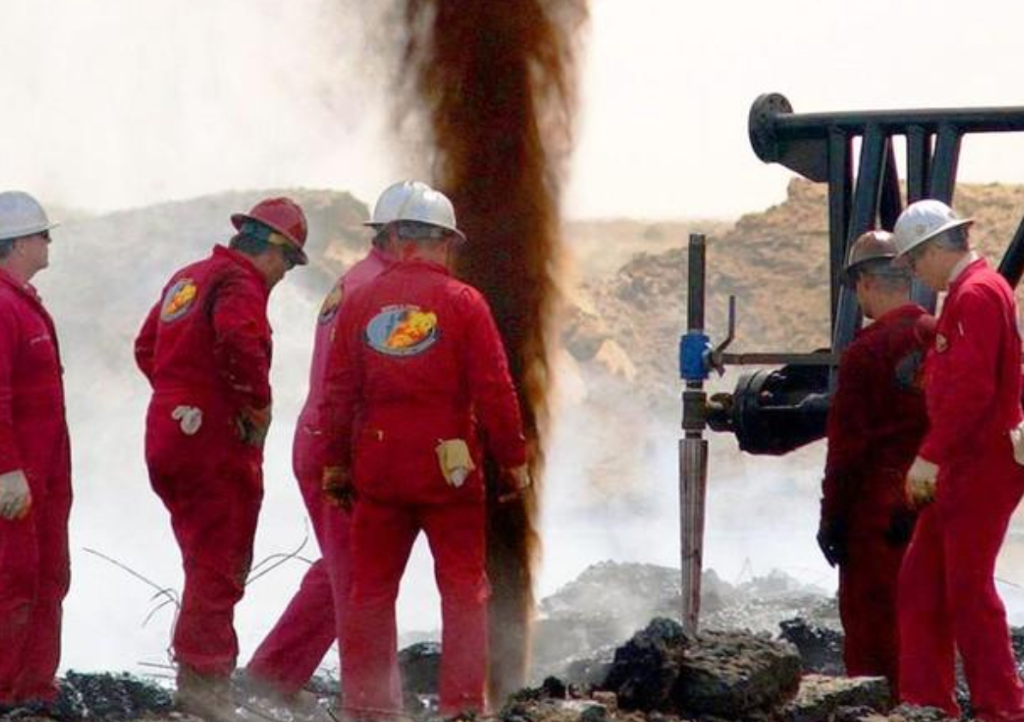
Niger’s subsoil holds substantial deposits of uranium, oil, and gold, making it a prime candidate for resource-based exchanges. By securing exclusive mining rights or exploration permits for Turkish state-owned enterprises in exchange for military deliveries, Ankara ensures long-term economic leverage over Niamey’s strategic sectors.
leveraging sovereign debt instruments
The equipment provided is not a gift; it is financed through sovereign credit lines extended by institutions such as Turk Eximbank. What appears as an immediate solution to Niger’s security challenges transforms into a long-term financial obligation, binding Niamey to Ankara’s economic influence.
the sovereignty trade-off: short-term gains, long-term risks
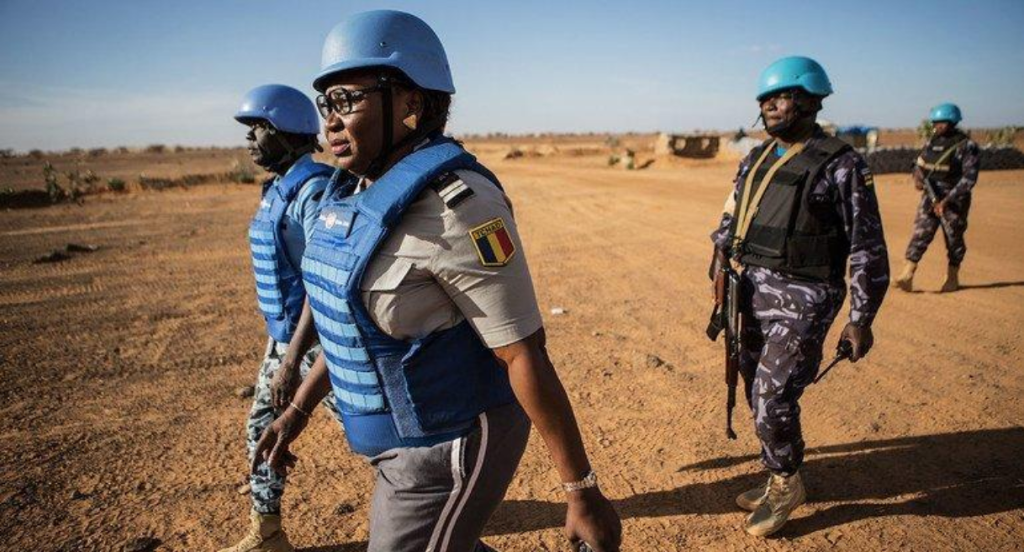
General Tchiani’s administration views this military collaboration as essential to re-equipping the Nigerien Armed Forces (FAN) following the withdrawal of Western troops. However, this pragmatic approach carries significant implications for the country’s future autonomy.
The burden of excessive debt incurred through the acquisition of Bayraktar TB2 drones, armored vehicles, and communication systems could result in direct oversight of Niger’s economic and mining policies by Turkish authorities.
Turkey’s geopolitical calculus in the Sahel
For President Erdogan, the financial flexibility extended to Sahelian military regimes represents a geopolitically astute investment with three primary objectives:
- Securing a permanent strategic advantage by displacing Western influence in the region.
- Countering Russian strategic presence, particularly through the Africa Corps, by positioning Turkey as the indispensable technology provider.
- Expanding market access for Turkey’s defense industry, a cornerstone of its modern global positioning.
a pyrrhic victory for Niamey
While the Nigerien transitional leadership secures an immediate political triumph by obtaining arms without immediate fiscal strain, the underlying reality of dependence remains unaddressed. The shift from Western influence to Turkish technological debt does not eliminate external control—it merely reconfigures the terms and conditions of that influence, with costs yet to be fully assessed by the Nigerien populace.