Swiss authorities have launched a fresh criminal investigation into Geneva-based commodities trader Gunvor, this time over a $1 billion oil contract with Gabon. The probe, led by the Swiss Attorney General’s Office, is examining the award process and financial arrangements surrounding the deal to lift Gabonese crude. Geneva remains a global hub for hydrocarbon trading, and several major players in the city have faced African corruption cases in recent years.
Gabon’s oil sales under scrutiny amid Swiss legal action
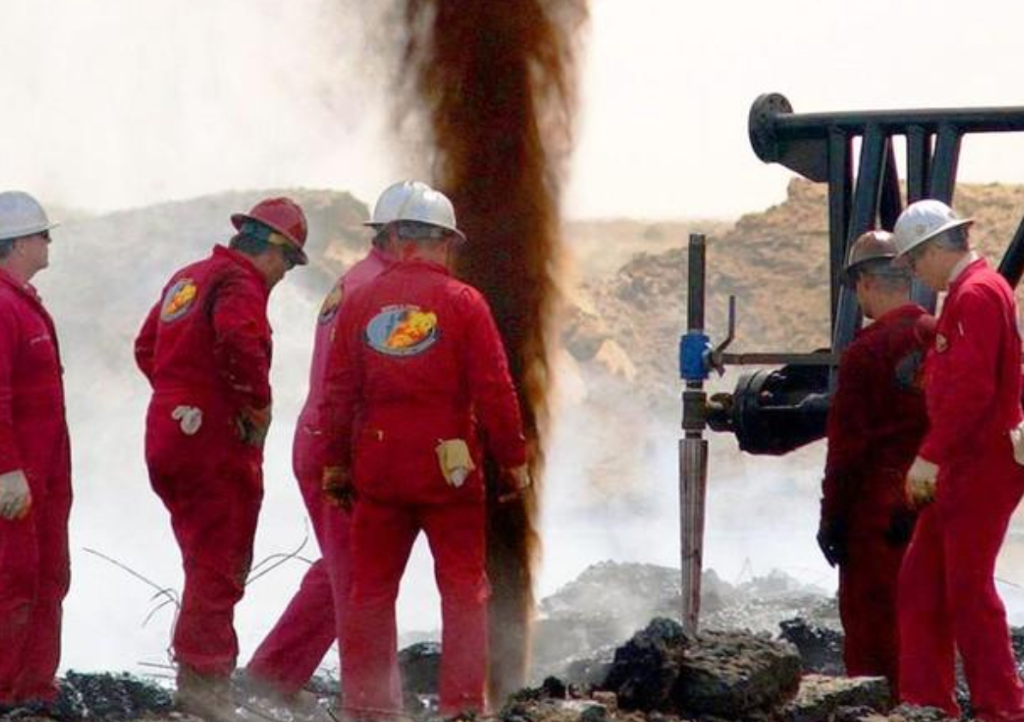
The contract under review involves Gabonese crude shipments worth close to $1 billion, according to publicly available details. Swiss prosecutors are investigating whether intermediaries received payments intended to sway Gabonese officials in awarding the contract. Gabon, Africa’s twelfth-largest oil producer with output around 200,000 barrels per day, continues to rely heavily on crude sales for state revenue.
The transaction dates back to a period when Libreville sought to diversify buyers and monetize production quickly. So-called pre-financing deals, where traders advance funds against future deliveries, have become common in fragile African oil economies still reeling from price collapses. These inherently opaque arrangements are now drawing increased scrutiny from regulators in Europe and North America.
Gunvor’s recurring legal troubles raise compliance questions
For the Geneva-based group, this latest case comes as it continues to address past wrongdoing. In 2019, Gunvor was fined nearly 94 million Swiss francs by Swiss prosecutors for failures in anti-corruption controls in Congo-Brazzaville and Côte d’Ivoire. The company pledged to overhaul its internal compliance systems under pressure from banks and institutional partners.
The repeated legal cases cast doubt on the effectiveness of the measures Gunvor implemented. Swiss authorities, long criticized for leniency toward trading giants, have adopted a tougher stance. The 2020 corporate criminal liability framework expanded the prosecutor’s powers to hold companies accountable for failing to prevent corruption. The trading sector, which accounts for about 4% of Switzerland’s GDP, has become a key focus of this enforcement drive.
Libreville under pressure to clean up oil revenue practices
The case arrives at a sensitive time for Gabonese authorities. The new administration installed after the 2023 transition has made transparency in oil revenues a cornerstone of its legitimacy. Gabonese refining company Société gabonaise de raffinage and state-owned Gabon Oil Company are expected to clarify marketing channels inherited from the previous decade. Formal cooperation with Swiss investigators could allow Libreville to demonstrate a break from past practices.
Yet the stakes extend beyond bilateral relations. The Extractive Industries Transparency Initiative (EITI), which Gabon recently rejoined, monitors contract transparency. Multilateral lenders, including the International Monetary Fund, tie financial support to improved governance in the hydrocarbons sector. Documented involvement of Gabonese intermediaries could impact ongoing negotiations over a new program.
In Switzerland’s trading community, the ripple effects could be significant. Gunvor’s competitors—several already investigated for similar conduct in Angola, Nigeria, and the Republic of the Congo—will watch closely how Swiss prosecutors rule. The potential seizure of illicit profits, estimated in the tens of millions of dollars in comparable cases, remains a powerful deterrent. The Swiss investigation is now formally underway and could yield further developments in the coming months.