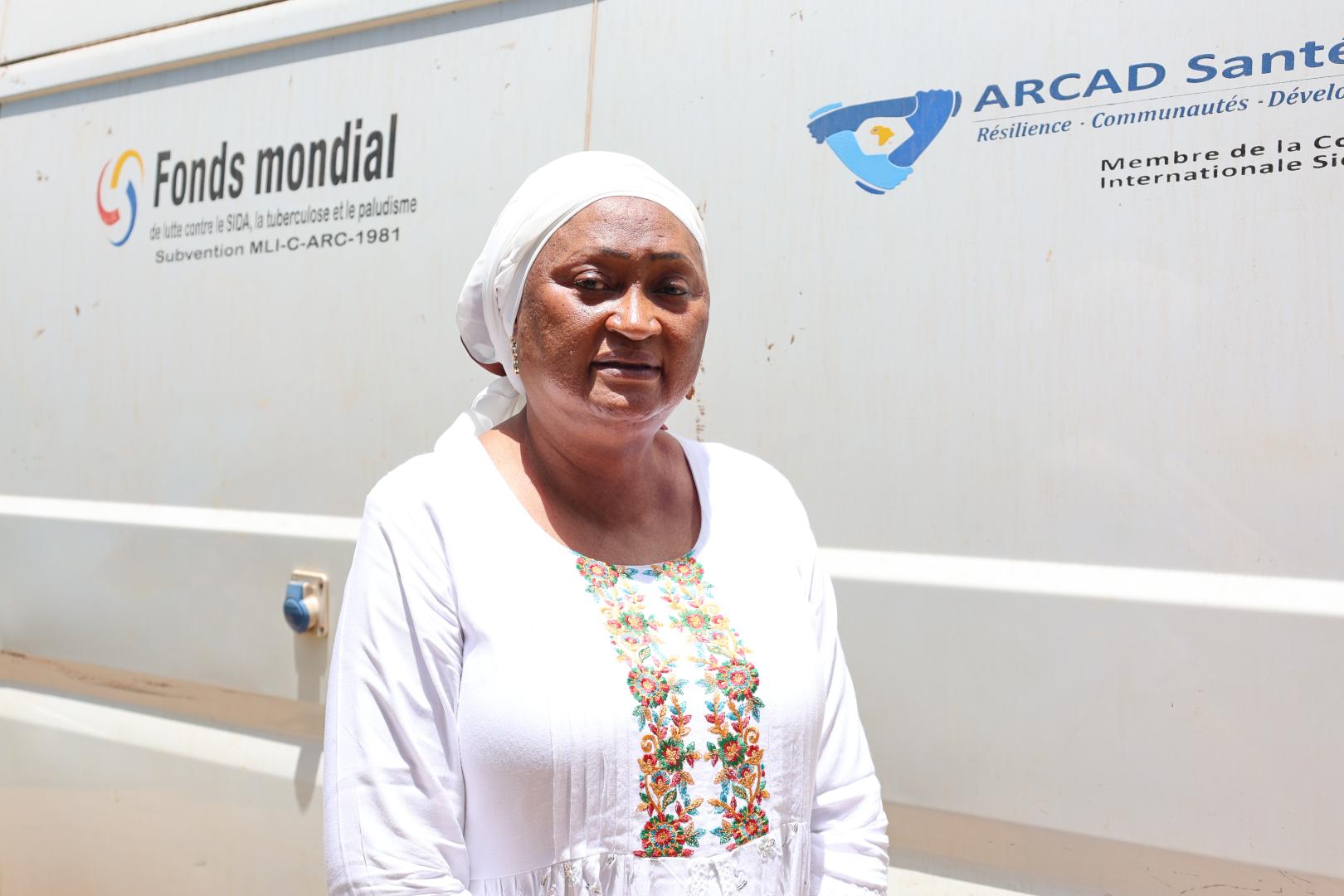
Strengthening community health through scientific trust: a conversation with Dr. Bintou Dembélé
Bamako – To mark World Health Day 2026, themed around uniting for health and championing science, the World Health Organization (WHO) is highlighting committed professionals who leverage scientific advancements to elevate living standards across Africa.
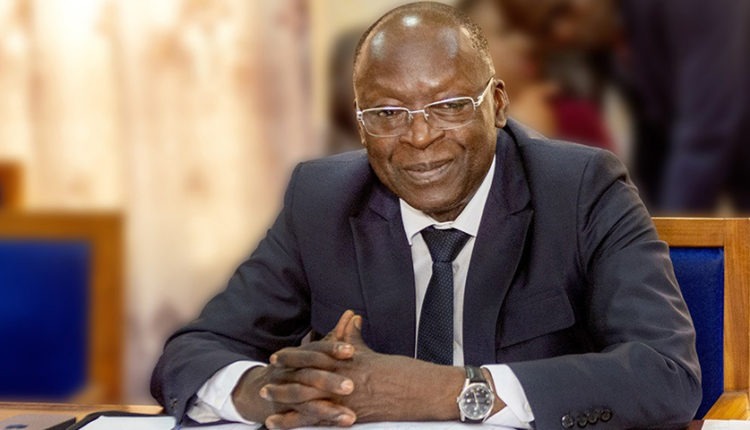
As a seasoned physician and public health specialist, Dr. Bintou Dembélé has dedicated her career to combating transmissible diseases and fortifying medical frameworks in Mali and throughout West Africa. She maintains a firm belief that research must directly benefit the public, advocating for the strategic use of empirical knowledge to avert health emergencies, refine clinical care, and bridge the gap between researchers and the population. On this global health observance, she outlines her perspective on making science transparent, cooperative, and practically applicable.
The vital role of supporting science in modern health safeguarding
In our current era, the importance of scientific inquiry cannot be overstated. It serves as the foundation for creating innovative pharmaceuticals, immunizations, and medical protocols essential for tackling both long-standing and newly identified pathogens.
Furthermore, science is a cornerstone of preventative medicine. By gaining a deeper comprehension of how illnesses emerge and circulate, we can mitigate threats before they escalate into full-blown crises.
It also drives the evolution of diagnostic capabilities, specialized medical apparatus, and the coordination of clinical services. This evolution strengthens overall healthcare infrastructures, ultimately boosting survival rates and recovery outcomes for all patients.
Enhancing healthcare in Mali and West Africa through regional partnerships
Scientific alliances facilitate the exchange of expertise, practical experience, and essential assets. Within West Africa, where neighboring nations often face comparable medical hurdles, this collective effort serves as a significant advantage.
Such collaborations are instrumental in addressing both chronic and non-communicable ailments. They also play a critical role in maternal and pediatric care, specifically by formulating strategies to lower mortality rates among mothers and newborns.
Beyond the clinical scope, these joint ventures foster socio-economic growth. A healthier population possesses greater resilience and is better equipped to participate actively in the social and economic fabric of their country.
Utilizing the “One Health” strategy to avert medical emergencies
The “One Health” philosophy is built upon the fundamental realization that human wellbeing is inextricably linked to the health of animals and our shared environment. By acknowledging these connections, society can better foresee and prevent diverse sanitary risks.
This framework promotes community-wide alertness through localized monitoring systems and enhances the connection between the scientific community and the public. It also respects indigenous knowledge while encouraging inclusive research, empowering local citizens to take charge of their own health outcomes.
Accelerating the transition from research findings to field operations
Empirical data should be viewed as a collective public asset. To maximize its utility, this information must be scrutinized, distributed, and implemented swiftly through systems that convert study results into tangible policy decisions.
By rapidly embedding data into governmental strategies, health initiatives become more targeted, resources are used more efficiently, and the specific requirements of the people are met with greater precision.
Building public confidence and engagement in scientific progress
Trust is rooted in clarity. To ensure the public embraces scientific progress, it is vital to present complex information in a way that is understandable, straightforward, and culturally relevant.
By communicating discoveries openly through channels that resonate with local communities, we encourage active participation and social unity. In this way, science evolves into a collective resource that belongs to everyone, fostering a widespread culture of support.
Communications Officer
WHO Regional Office for Africa
Email: dialloka [at] who.int (dialloka[at]who[dot]int)
WHO Assistant (Library)
Email: cissea [at] who.int (cissea[at]who[dot]int)