Senegal’s political tensions: Sonko’s ouster and uneasy cohabitation with Faye
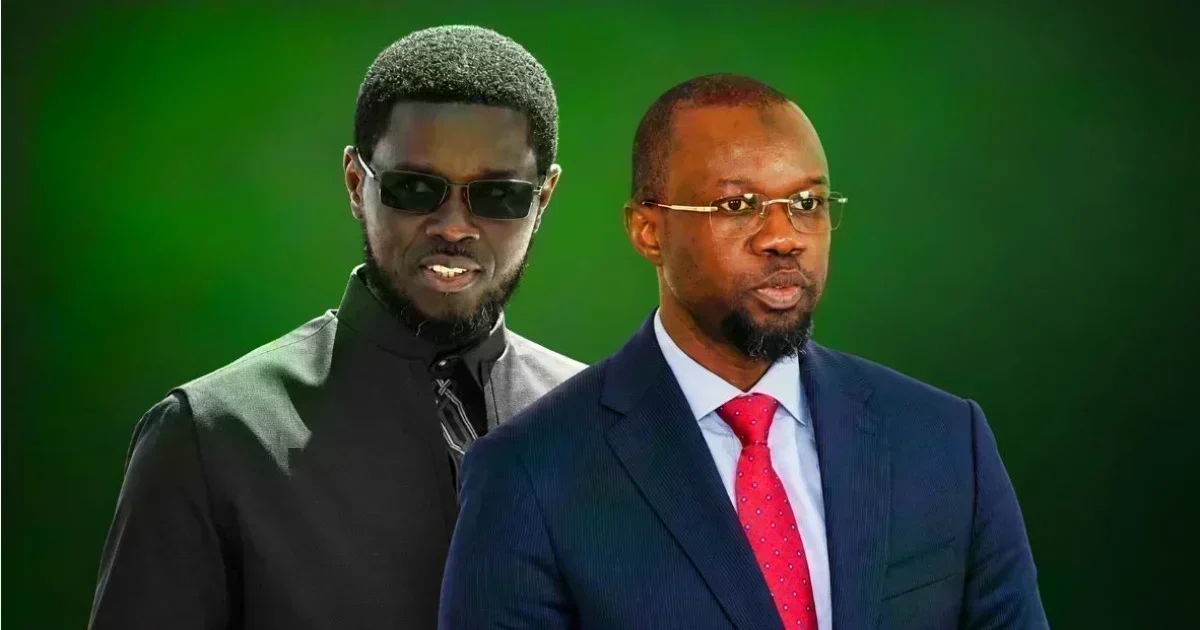
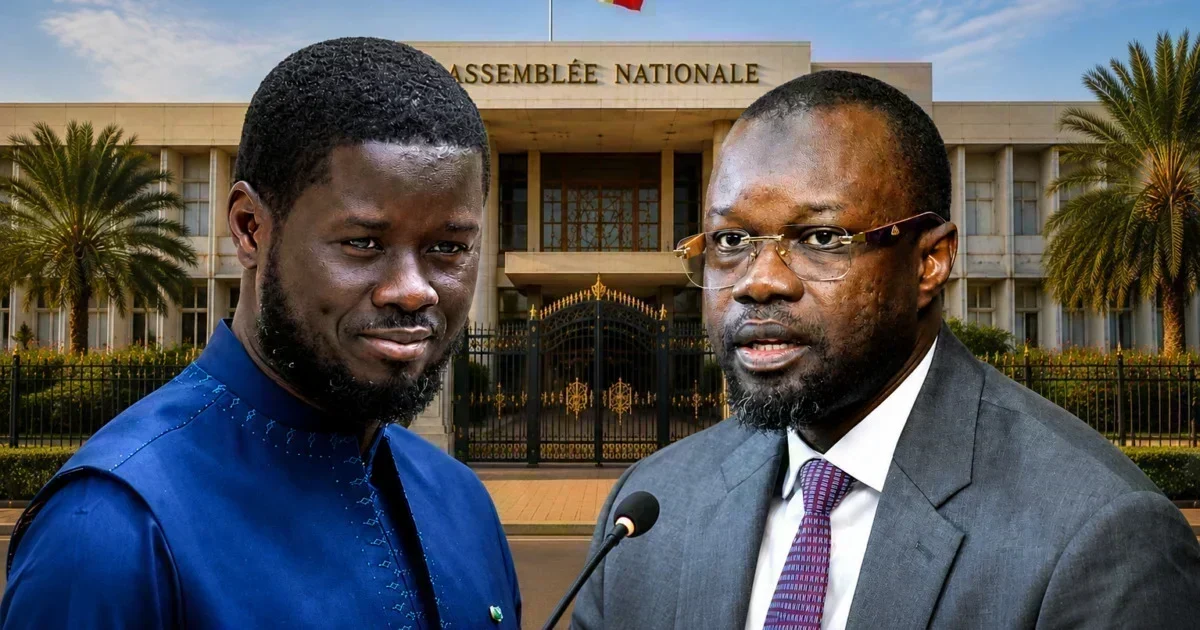
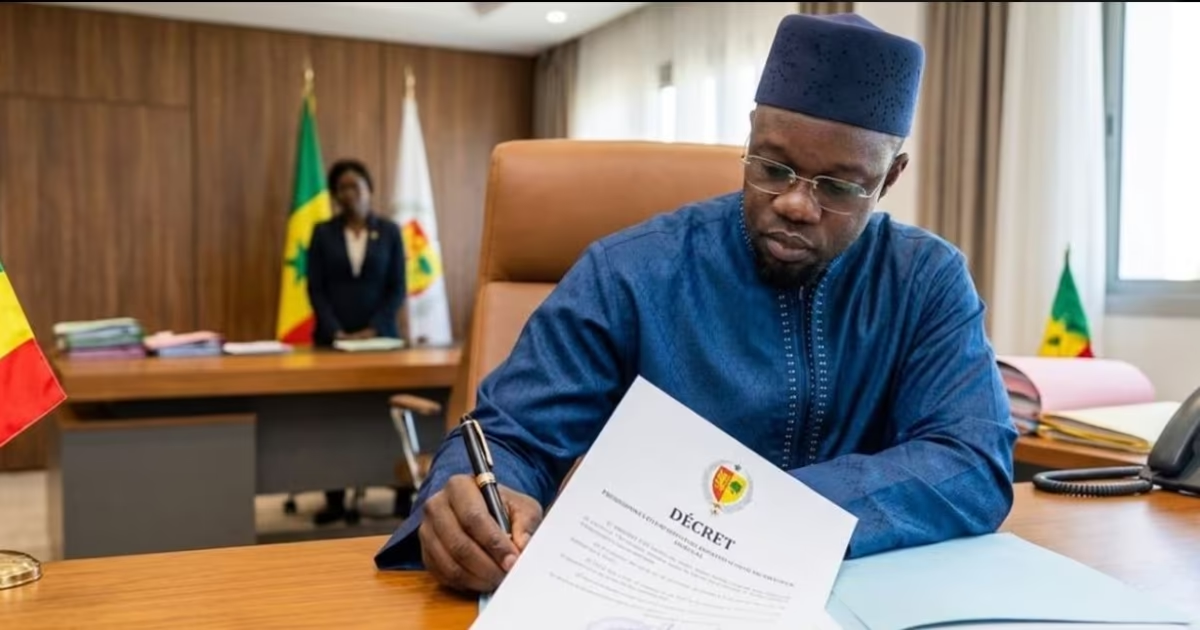
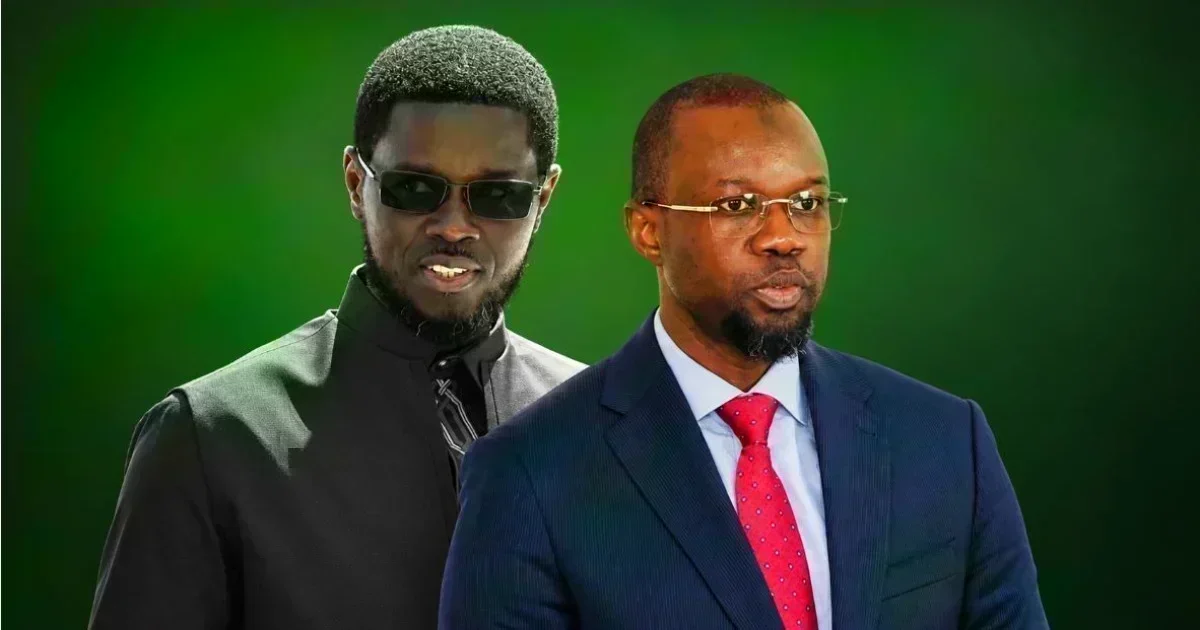
The Diomaye-Sonko tandem lasted barely two years. President Bassirou Diomaye Faye has removed Ousmane Sonko from the Prime Minister’s position, a role Sonko never truly held. Now serving as President of the National Assembly, Sonko remains a dominant figure in the Pastef party, which holds a majority in Parliament but is excluded from the current government. How did this rupture unfold, and what does it mean for Senegal’s political landscape?

From allies to rivals: the unraveling of a political partnership
The political alliance between President Bassirou Diomaye Faye and Ousmane Sonko, once the driving force behind Senegal’s new leadership, has fractured. After Sonko’s removal from the Prime Minister’s office—despite never officially holding the title—he now serves as President of the National Assembly. His leadership of the Pastef party remains unchallenged, yet the party is notably absent from the government.
Key figures weigh in on the crisis
The current tensions raise critical questions about the future of Senegal’s political stability and governance. To explore these issues further, experts and political figures were invited to share their perspectives:
- Abdoulaye Tine, Presidential Advisor and Spokesperson for the Republic of Senegal
- Amadou Ba, Former Minister of Culture, Member of Parliament, and Secretary in Charge of Communications for the Pastef party
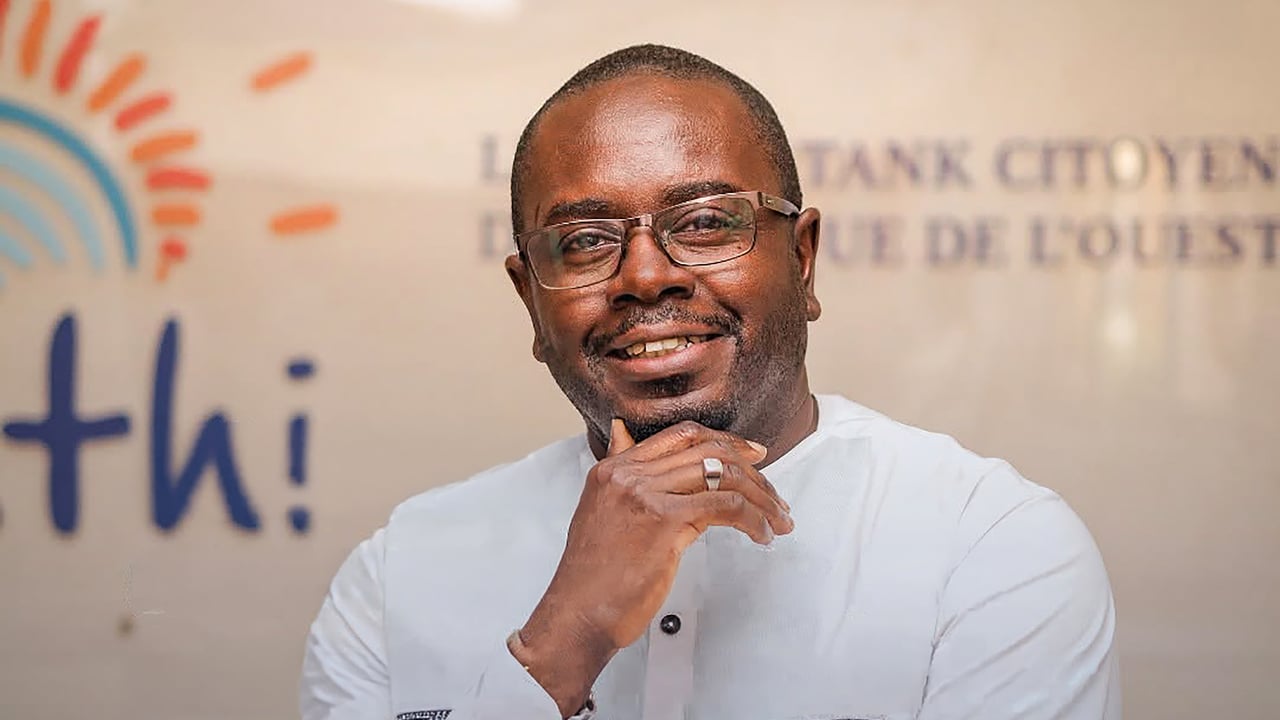
- Babacar Ndiaye, Political Analyst and Director of Research at Wathi Think Tank
Can cohabitation work in Senegal’s political landscape?
The removal of Ousmane Sonko from his government role has left many wondering whether a functioning cohabitation is possible between the President and the leader of the majority party in Parliament. With Pastef excluded from the government, how will legislative priorities be addressed, and what impact will this have on the country’s political cohesion?
These developments come at a time when Senegal faces pressing challenges, including economic recovery and social stability. The political infighting risks overshadowing urgent national priorities, leaving citizens to question the direction of their government.
What lies ahead for Senegal?
The coming months will be crucial in determining whether Senegal can navigate this period of political turbulence without compromising its democratic foundations. The balance of power between the executive and legislative branches will be tested, and the resilience of the country’s institutions will be put to the test.