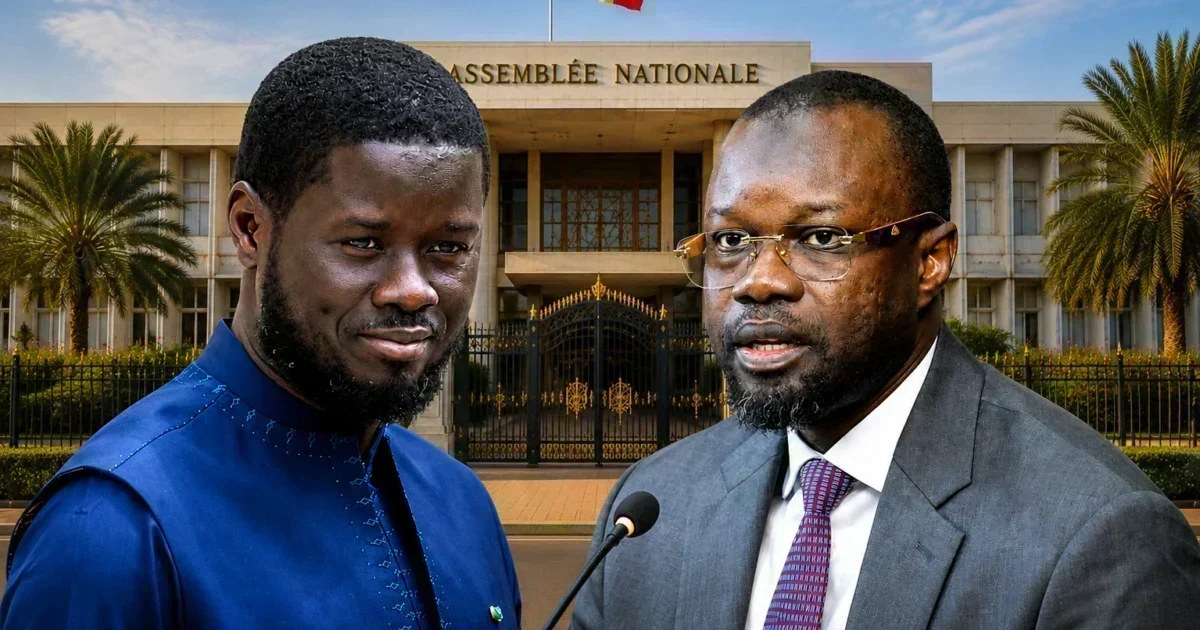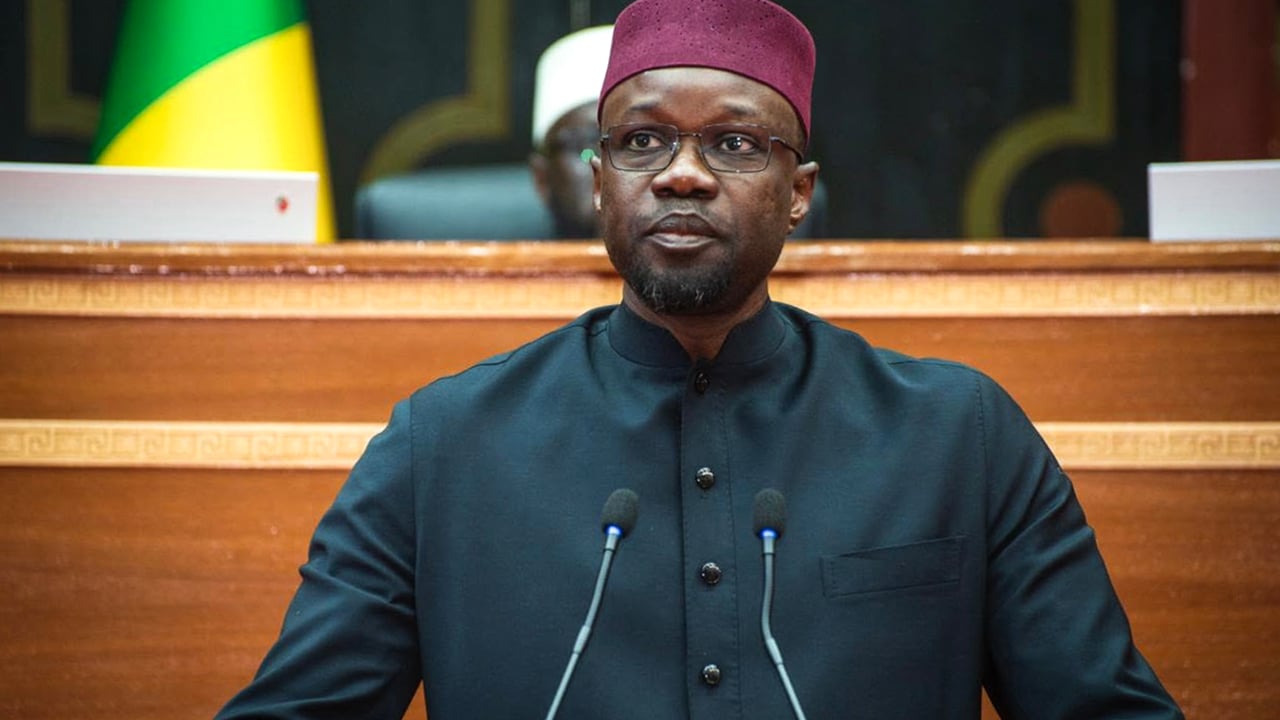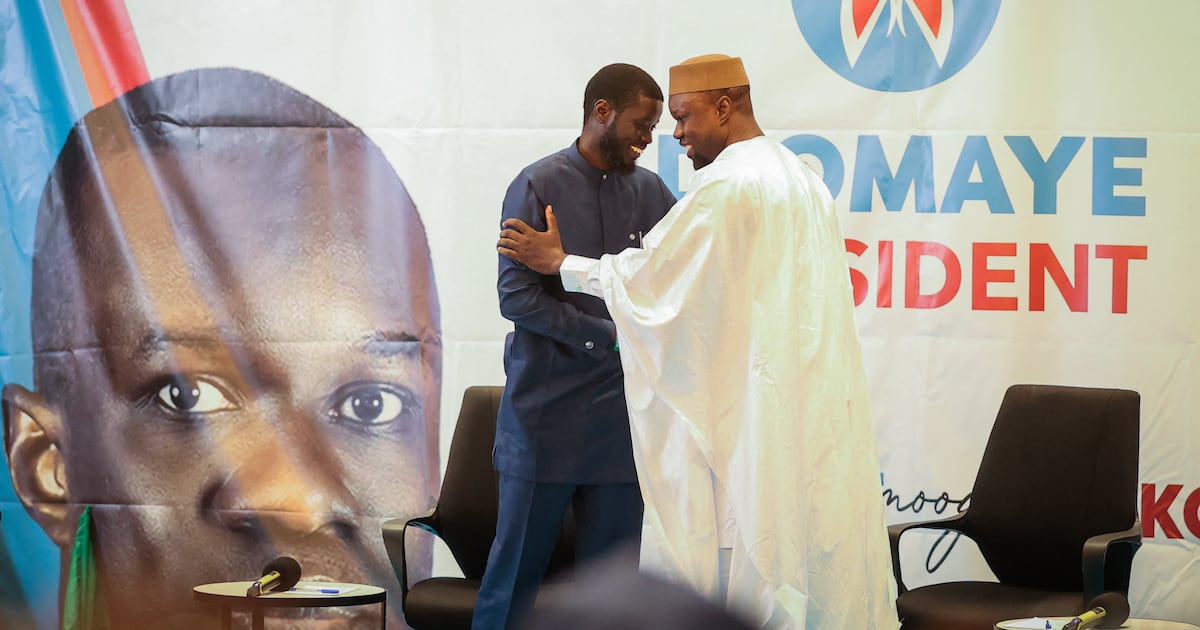
As Senegal’s political landscape continues to evolve, observers in Dakar’s ministries, media houses, and grassroots communities have noted a growing rift between President Bassirou Diomaye Faye and his former Prime Minister Ousmane Sonko. What once began as a powerful slogan of unity, ‘Diomaye mooy Sonko, Sonko mooy Diomaye’ (Diomaye is Sonko, Sonko is Diomaye), has gradually lost its resonance, replaced by whispers of ‘Diomaye is no longer Sonko’.
The relationship between the two leaders, once the driving force behind the opposition’s rise to power, has been strained by diverging visions, power struggles, and mounting disagreements over governance. What started as minor frictions has escalated into a full-blown crisis, making their cohabitation at the helm of the nation increasingly unsustainable.
Ousmane Sonko’s calculated strategy
Over the past months, Ousmane Sonko has deliberately pushed his alliance with Bassirou Diomaye Faye to the brink. As the historical leader of the Pastef movement, Sonko was acutely aware that a prolonged coexistence with a president asserting his authority would be untenable. Yet he also recognized that an open confrontation could galvanize his support within the party and among militants.
The trap he laid was simple yet effective: forcing Diomaye Faye to choose between asserting his presidential authority and preserving the unity of the Pastef. By remaining in government while asserting his political independence through public statements and symbolic gestures, Sonko systematically undermined Diomaye’s position. Each controversial remark, every public disagreement, and the subtle reminders of his status as the movement’s founding figure intensified the pressure on the president.
Diomaye Faye found himself cornered. If he tolerated this co-leadership, he risked appearing weak, unable to enforce his mandate. But dismissing Sonko carried its own dangers—potentially alienating a significant portion of the Pastef’s base, who view Sonko as the movement’s true architect.
The danger of political opportunists
In the wake of the dismissal, Bassirou Diomaye Faye has been surrounded by a new circle of advisors—political operators, former allies of the previous regime, and opportunistic notables. Their message is consistent: ‘You are the president. You must assert your authority.’ While this narrative aligns with Senegal’s institutional norms, the president would do well to question the true intentions of these new allies.
Where were they when Sonko and Diomaye faced judicial persecution? Where were they during the brutal repression of protests and the smear campaigns against the Pastef? Many of today’s vocal supporters were comfortably benefiting from the system they now condemn. These political chameleons thrive on division, feeding rivalries and nurturing egos to secure their own survival. History shows that movements often crumble not from external opposition but from internal fractures.
The greatest risk for Diomaye Faye is mistaking these self-serving advisors for genuine allies in his quest to consolidate power. Many may be more interested in weakening the Pastef to neutralize the political project it represents.
The looming threat of a fractured movement
With the lines now drawn, Ousmane Sonko stands poised to benefit. The Pastef remains a dominant force in Senegalese politics, backed by a highly mobilized youth base and a compelling narrative forged during years of resistance against the previous regime. Sonko, despite his legal troubles and absence from the presidential ballot, remains the movement’s central figure. For many Senegalese, Diomaye Faye’s election was seen as a victory for Sonko—a shift in power by proxy.
While Diomaye enjoys institutional legitimacy, Sonko retains an unshakable popular and militant following. In any future political or electoral showdown, this dynamic could prove decisive. If the Pastef fractures into factions loyal to either leader, there is no guarantee Diomaye will emerge victorious. Many party cadres, elected officials, and activists may rally behind the figure they still regard as the movement’s true leader. Diomaye lacks a fully autonomous political structure capable of countering Sonko’s influence—a critical vulnerability.
The curse of political heirs
Political heirs often face an inevitable struggle: the desire to carve out their own identity. No president can indefinitely accept being perceived as a mere figurehead. Yet beyond personalities, the very coherence of the Pastef’s original project is now in question. The movement was built on promises of integrity, sovereignty, social justice, and national dignity. Ego-driven conflicts threaten to derail this mission.
The irony is that the Pastef’s opponents may ultimately benefit from a crisis they did not instigate, as infighting saps the movement’s strength from within.