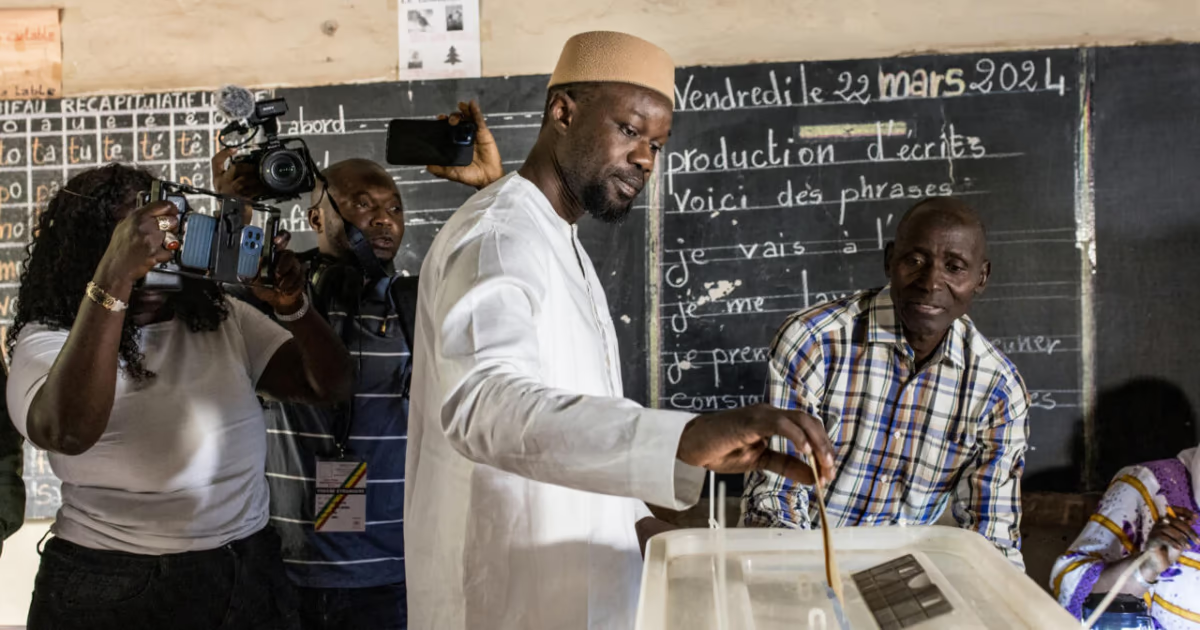
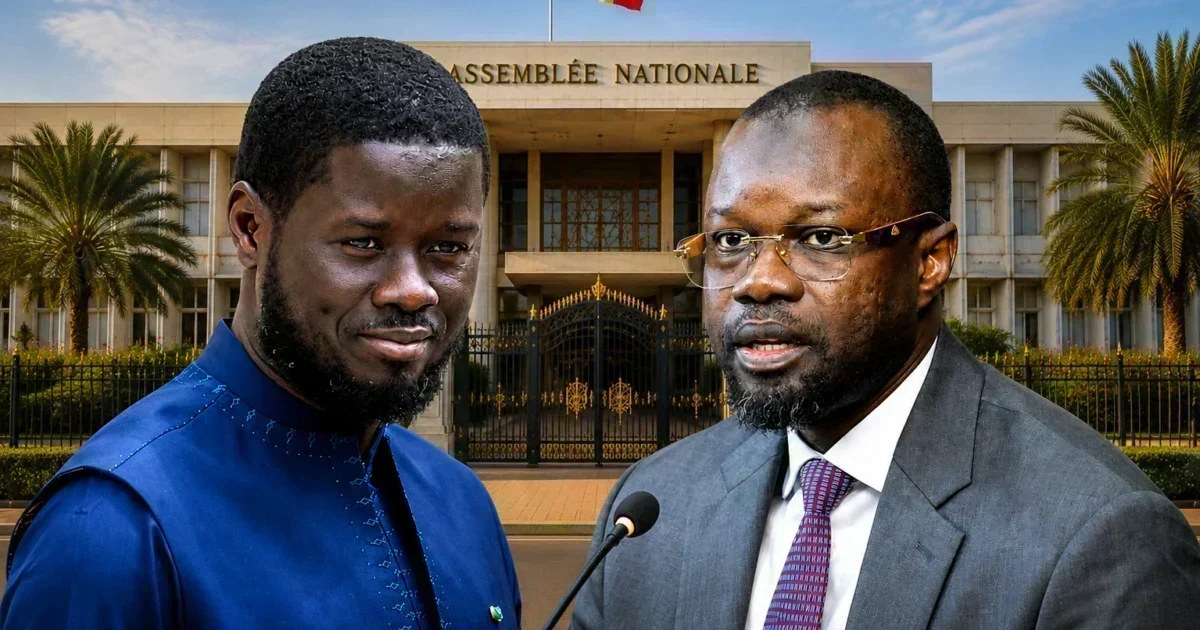
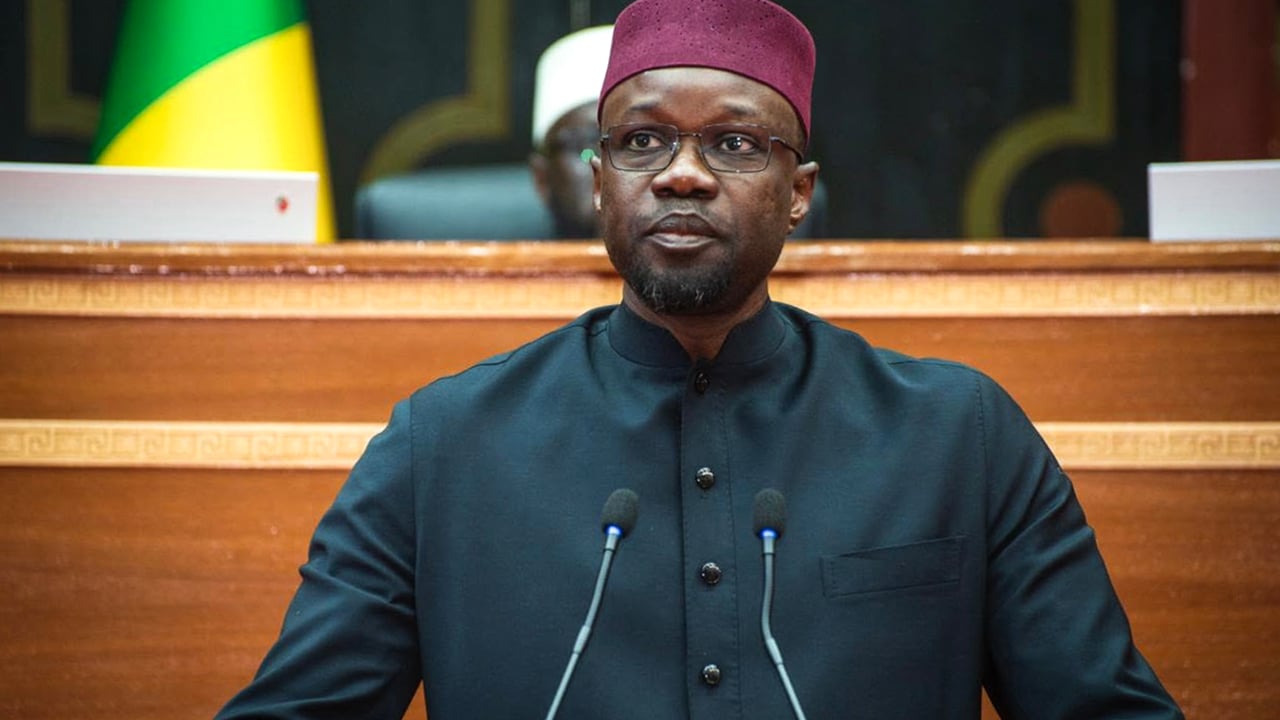
Senegal’s Prime Minister Ousmane Sonko has launched a political offensive, addressing his supporters and the public with sharp criticism aimed at both opposition figures and internal allies within the ruling coalition. This strategic shift comes as the delicate balance between the head of government and President Bassirou Diomaye Faye continues to spark debate across West Africa. Observers in Dakar and beyond are closely analyzing the evolving power dynamics within the party that secured victory in March 2024.
Consolidating political influence in Dakar
The Prime Minister’s recent rhetoric marks a stark departure from the cautious approach he adopted in the early months of his tenure. Sonko has publicly confronted political opponents and civil society actors, accusing them of covert maneuvers to undermine his agenda. This tactic appears designed to reclaim media attention and reaffirm his dominance within the governing coalition. Analysts suggest his primary audience remains his loyal base within Pastef, a party that was temporarily dissolved before regaining legal status ahead of last year’s presidential election.
By reviving the discourse of radical change, Sonko seeks to reinforce the legitimacy he gained from the November 2024 legislative elections, which solidified Pastef’s stronghold in the National Assembly. His strategy underscores his intent to reshape Senegal’s political landscape while maintaining his grip on the party’s ideological core.
Internal tensions simmer within Pastef
Sonko’s public statements coincide with growing frustration among his closest allies. Several key figures within Pastef, once considered pillars of the party’s vision, have been sidelined in government appointments and strategic administrative roles. This exclusion has fueled internal discontent, with some members accusing the administration of diluting the party’s original agenda in favor of presidential concessions to pre-existing political elites.
The tensions remain subtle but palpable. Longtime party cadres, who have maintained a low profile since the government took office, now see their influence wane as new technical profiles—aligned with the presidency—fill key positions. Sonko’s direct appeals to his supporters serve a dual purpose: reassuring disillusioned members while sending a clear message to the presidential palace about the enduring relevance of Pastef’s founding principles.
A leadership struggle with regional stakes
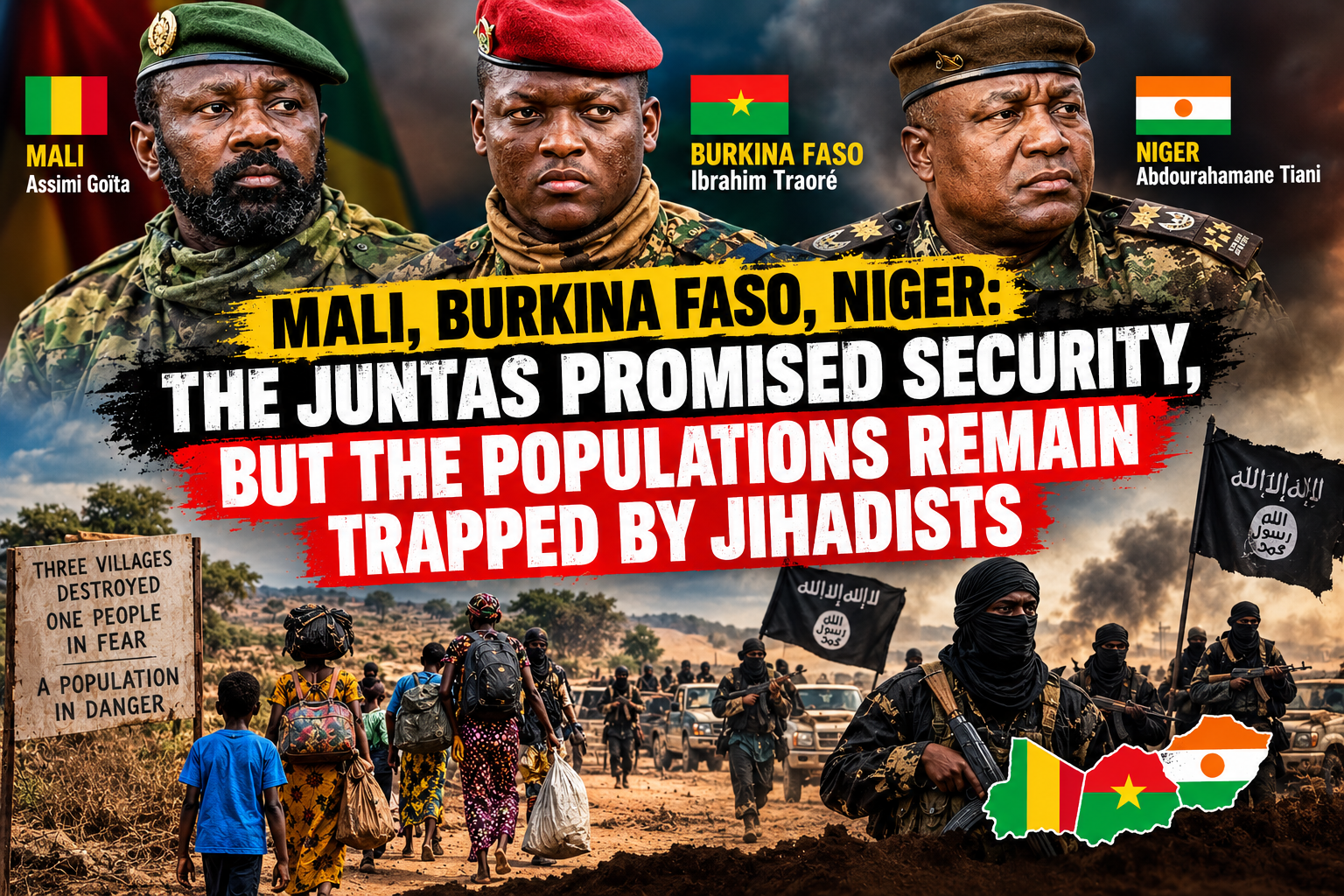
The quiet power struggle between the Prime Minister’s office and the presidency has not gone unnoticed in regional capitals. Senegal’s role as a stabilizing force in West Africa—amidst the Sahel’s instability and the shifting dynamics of the Economic Community of West African States (ECOWAS)—makes its internal cohesion a matter of concern for neighboring countries. Any fracture at the highest levels of Senegal’s government could disrupt ongoing mediation efforts with the military-led administrations in Mali, Burkina Faso, and Niger.
For international investors and development partners, the clarity of Senegal’s executive leadership is critical. Ongoing negotiations with the International Monetary Fund (IMF) over debt sustainability—following the exposure of deteriorating public accounts inherited from the previous administration—demand a unified government stance. Sonko’s public remarks, perceived as personal assertions of authority, risk complicating the official narrative on fiscal reforms and the structural adjustments outlined in the Senegal 2050 development framework.
Despite these challenges, Sonko holds significant advantages. His parliamentary majority, youth support, and control over the party apparatus grant him rare leverage for a head of government. The key question now is whether this verbal offensive signals an impending cabinet reshuffle, a programmatic realignment, or simply a consolidation of his authority within Pastef. What is certain is that Ousmane Sonko’s latest maneuvers have ushered in a new chapter in Senegal’s political trajectory.