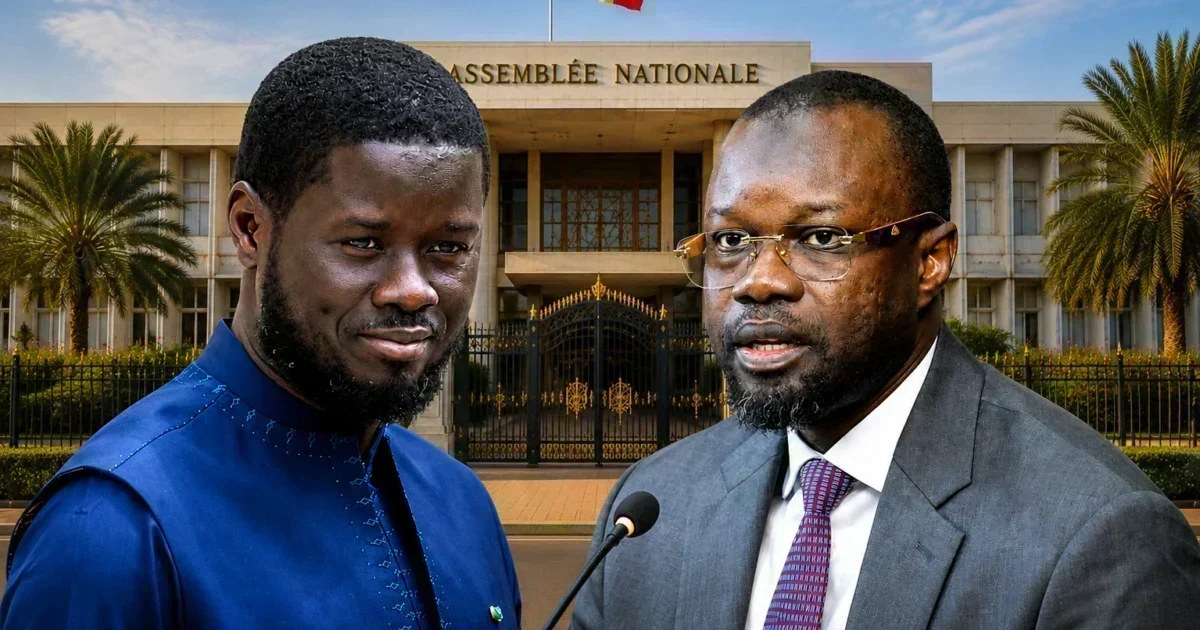
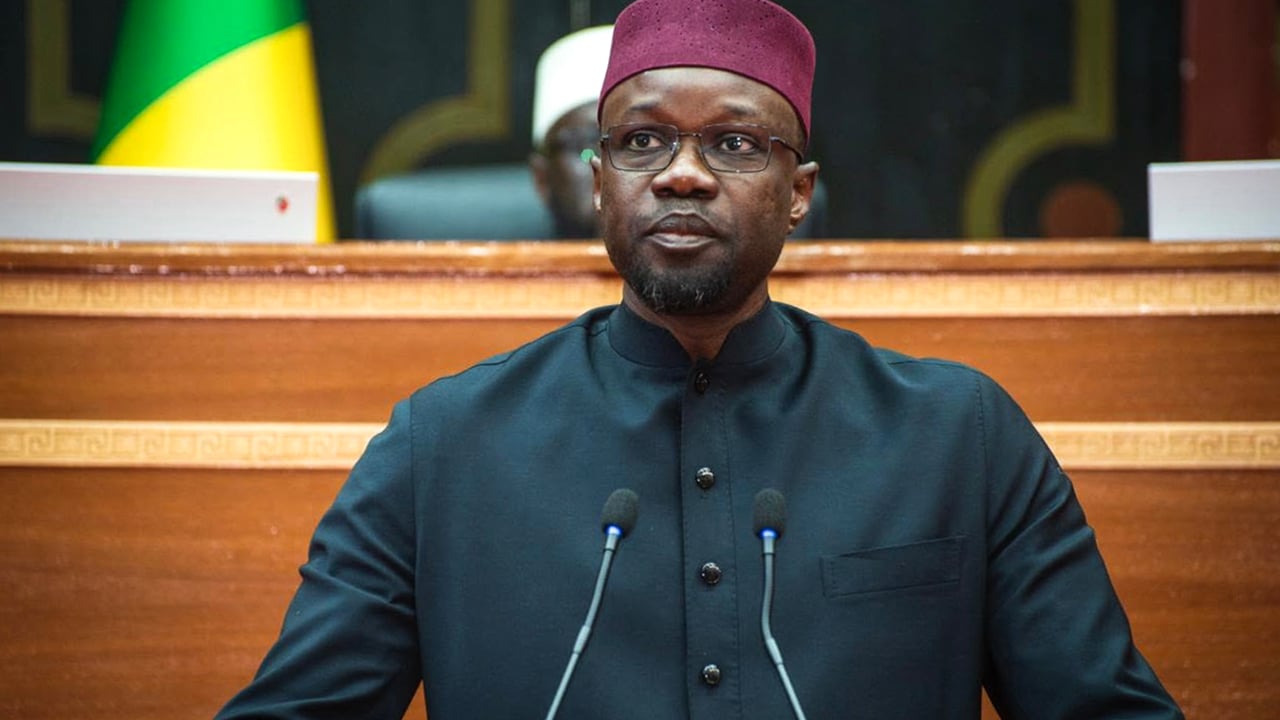
The political landscape in Senegal is facing a critical juncture. A once-united party, now grappling with internal fractures, must navigate the complexities of governance rather than clinging to oppositional fervor. This shift marks a pivotal moment for the nation’s democratic trajectory.
At the heart of the discourse lies a fundamental question: Is the current turmoil merely a cacophony of voices or an opportunity for constructive cohabitation? The answer may well define the future of Senegal’s political stability and institutional integrity.
From opposition to governance: a party in transition
The dominant political force in Senegal finds itself at a crossroads. Having spent years in the trenches of opposition, it now stands at the helm of power, tasked with steering the nation through uncharted waters. This transition has not been seamless. Internal disagreements, policy disputes, and power struggles have surfaced, casting a shadow over the party’s unity.
Analysts argue that this fragmentation is not merely a sign of weakness but a natural evolution for a party that has long defined itself by its oppositional stance. The challenge now lies in reconciling divergent views while delivering on the promises that brought it to power.
The public’s role in shaping Senegal’s political future
Senegalese citizens are not passive observers in this unfolding drama. Their expectations, demands, and criticisms are shaping the national conversation. From the streets of Dakar to the rural communities, voices are rising, calling for transparency, accountability, and tangible results.
The government’s ability to address these concerns will determine whether the current discord evolves into a harmonious cohabitation or spirals into deeper divisions. The public’s patience is wearing thin, and the stakes could not be higher for a nation that has long been a beacon of democracy in West Africa.
Looking ahead: challenges and opportunities
As Senegal navigates this period of uncertainty, several key challenges loom large. Economic stability, social cohesion, and political reform are at the forefront of the national agenda. The government must balance the need for rapid progress with the necessity of inclusive decision-making.
Yet, amidst the challenges, there lies an opportunity. A chance to redefine governance, strengthen institutions, and foster a culture of collaboration. The path forward will require bold leadership, compromise, and a commitment to the democratic values that have guided Senegal thus far.