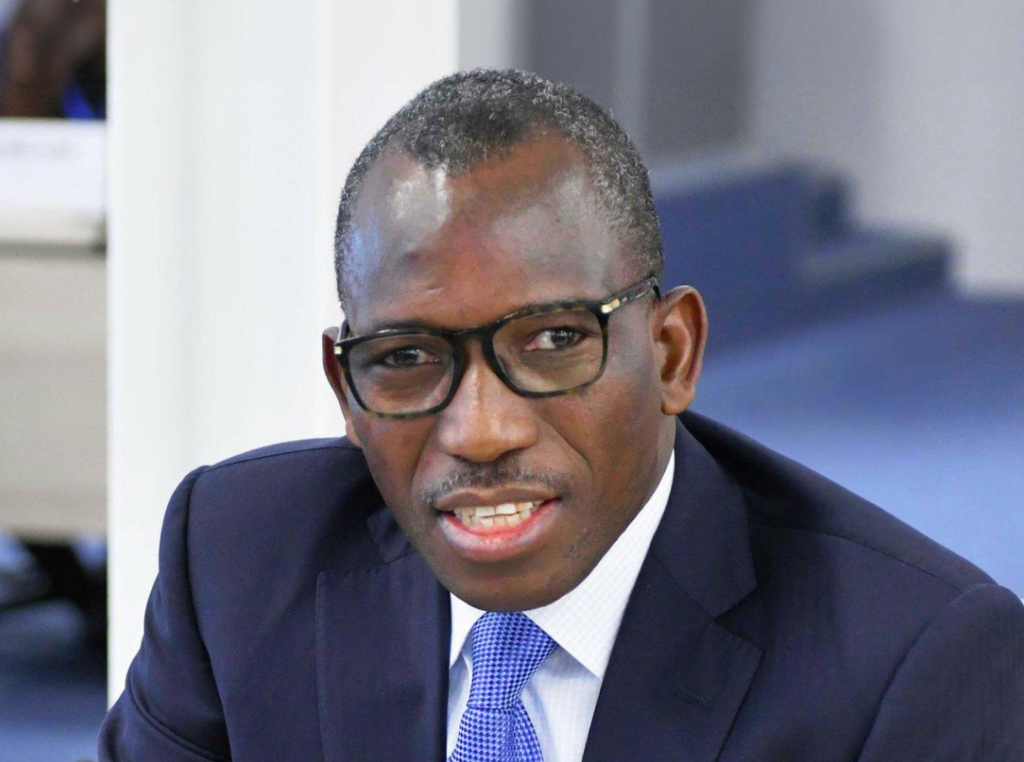
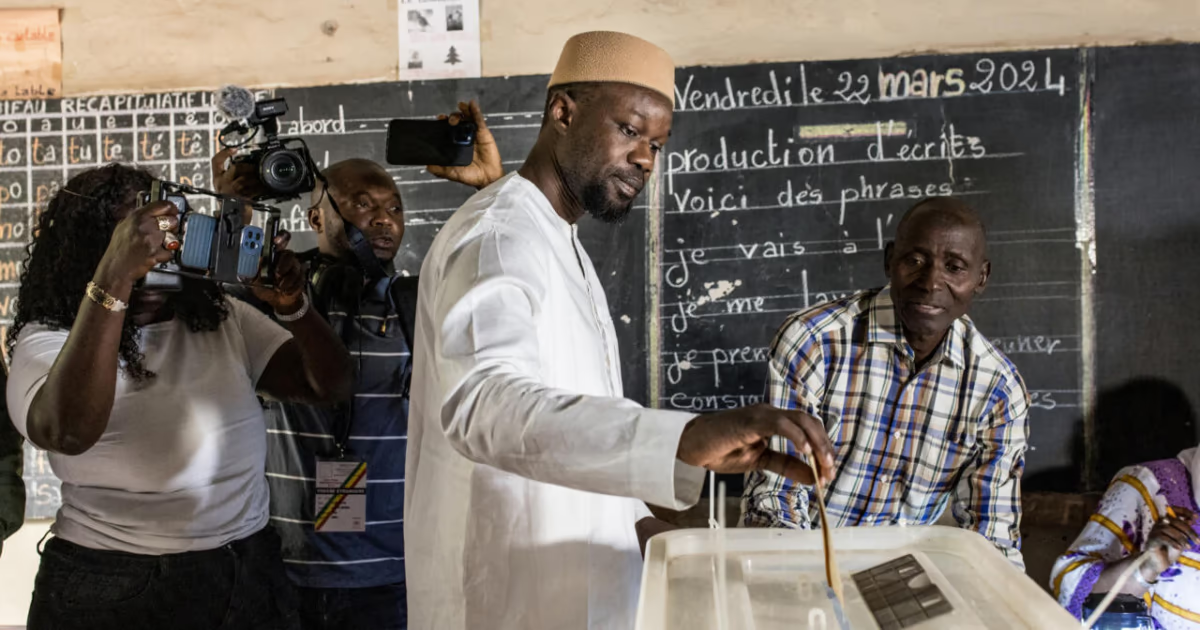
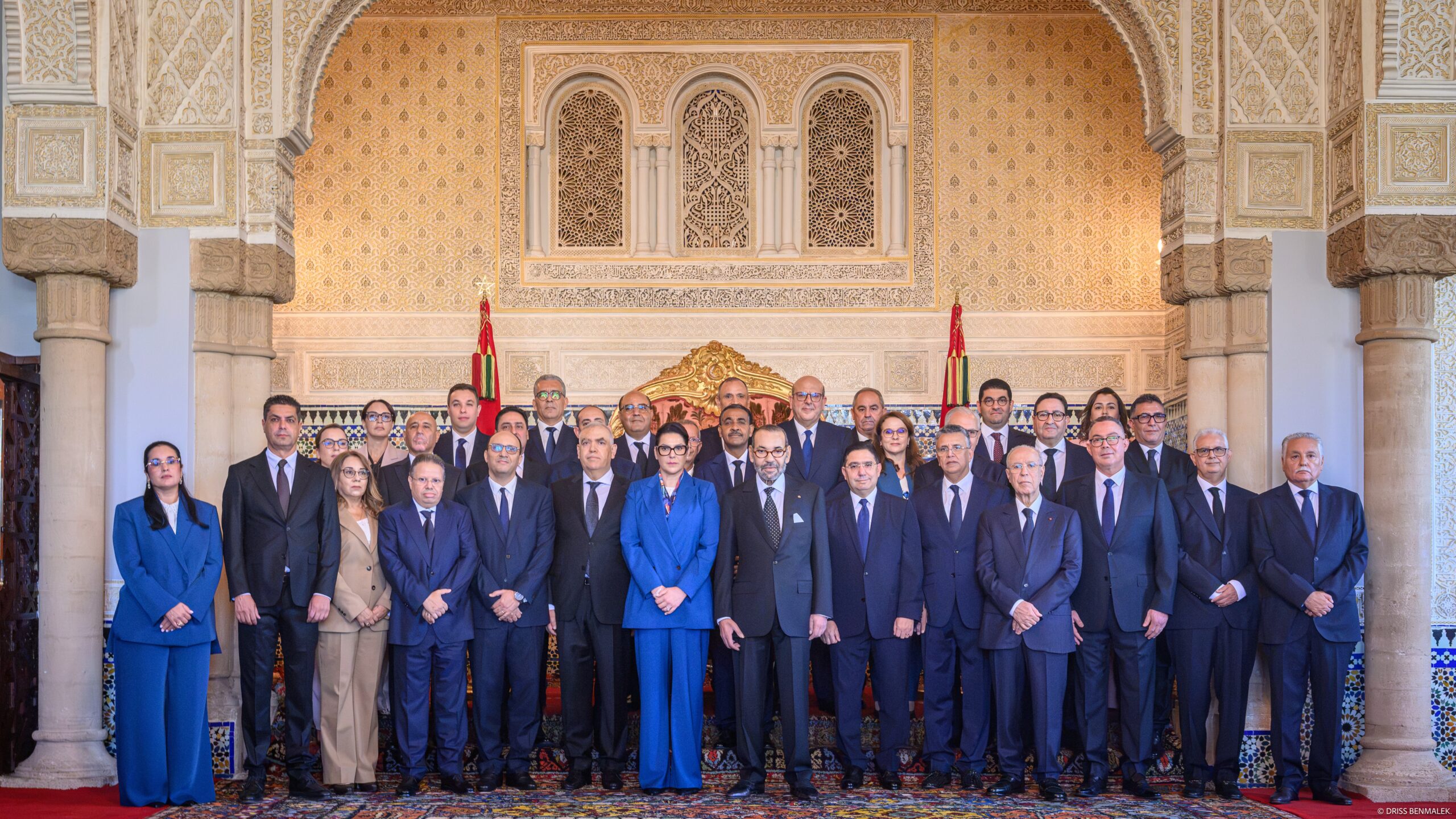
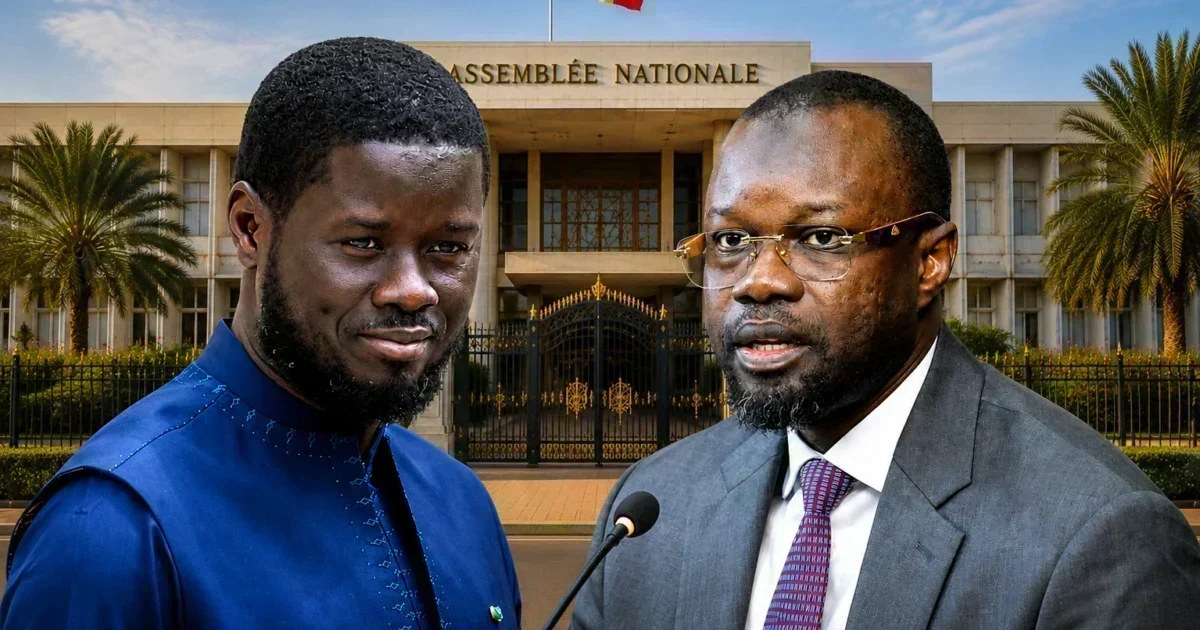
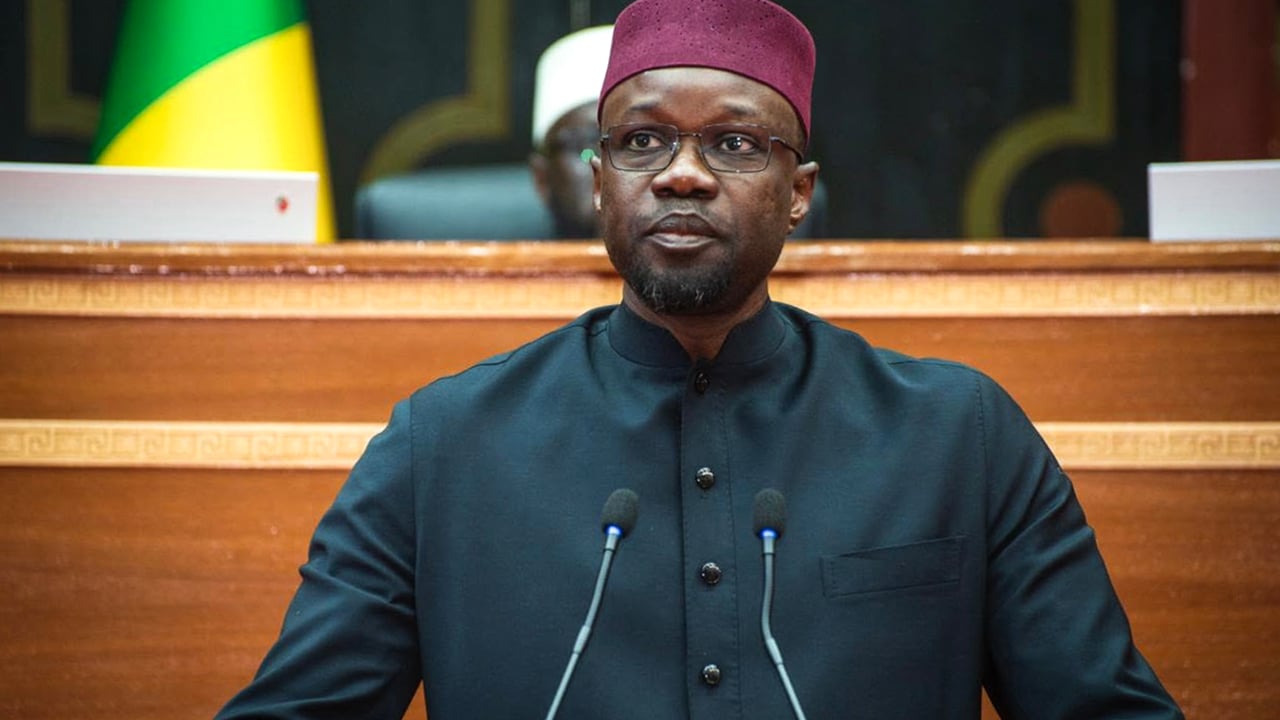
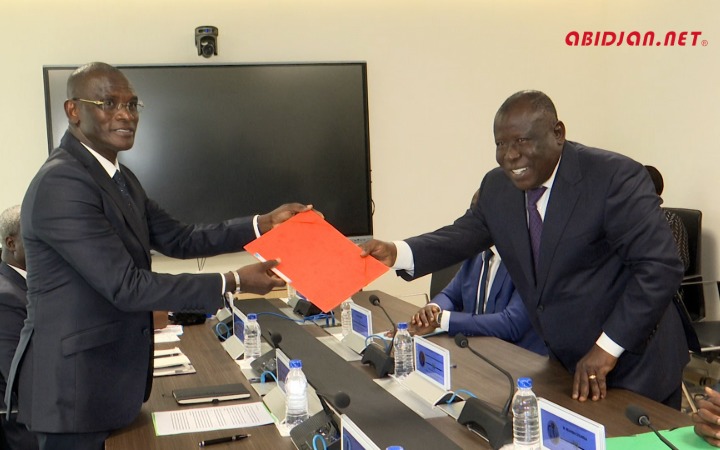
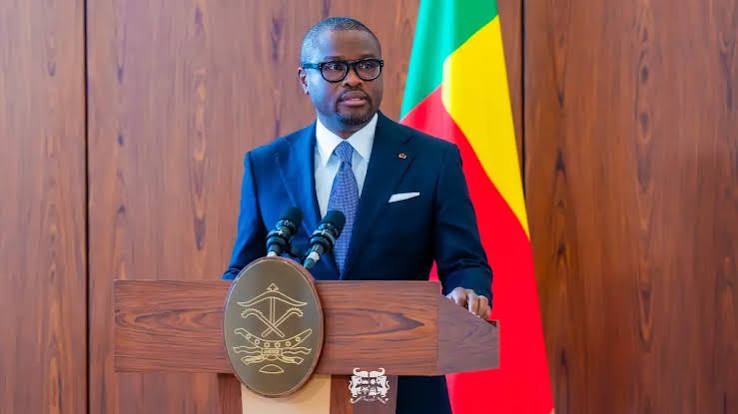
In Senegal, the recently appointed government, led by Prime Minister Ahmadou Al Aminou Mohamed Lô, is sparking considerable debate. Notably absent from the cabinet are members of Pastef, the party headed by Ousmane Sonko, who declined participation. This new team, comprising thirty ministers, primarily features technocrats and allies of President Bassirou Diomaye Faye. The lack of prominent Pastef figures, despite President Faye himself being a member, solidifies perceptions of a growing divergence between President Diomaye Faye and Ousmane Sonko. Aminata Touré, the general supervisor for the Diomaye Président coalition, shared her insights on the formation of this new administration during an interview in Dakar.

Question: With 30 ministers, some from Pastef but no prominent leaders, doesn’t this new government raise questions about its democratic or electoral legitimacy?
Aminata Touré: It’s crucial to recall democratic principles. President Bassirou Diomaye Faye was elected democratically by 54% of Senegalese voters. Naturally, he appoints the Prime Minister, who then proposes the government for his approval. This aligns perfectly with that process, reflecting the President’s choice in consultation with his Prime Minister. This government prioritizes efficiency because, beyond any discussions, the Senegalese people are solely concerned with seeing us get to work.
Question: Given that Pastef holds a majority in the National Assembly, led by Ousmane Sonko, in what many already call a cohabitation, aren’t there concerns about potential difficulties for the executive branch to govern effectively?
First, it’s important to remember that President Bassirou Diomaye Faye is a member of Pastef. Several ministers in this government are also Pastef members. Therefore, this is largely an internal party matter. Secondly, if everyone respects their constitutional prerogatives and prioritizes Senegal’s interests, we shouldn’t encounter problems. I hope we won’t see a situation where an institution is used to pursue personal agendas. We cannot afford perpetual internal disputes. If everyone champions the interests of the population, who need stability above all else, each entity will play its role. The National Assembly will fulfill its duties, the executive will perform its functions, and the judiciary, including the Constitutional Council, will ensure the constitutionality of laws. This is what the Senegalese expect, and I believe they will judge based on concrete actions.
Question: Regarding disagreements between Ousmane Sonko and Bassirou Diomaye Faye, particularly concerns from a Pastef member about a lack of firmness on accountability, does this government signal the end of the political moralization Pastef had promised?
Why would this be the end? Perhaps it marks the beginning of an accountability process aligned with judicial independence. Accountability does not equate to settling scores; they are distinct concepts. Having served as Minister of Justice, I understand this well. You might have a political opponent you dislike, whom you wish to see removed from the political scene. That alone is not sufficient for a judge to convict that individual. President Bassirou Diomaye Faye remains firmly committed to accountability, but emphatically not to settling scores.
Question: There’s also the debt issue, where Ousmane Sonko has consistently rejected the idea of restructuring with the International Monetary Fund. Will this new government adopt a different approach to this matter?
This isn’t an ideological matter; it’s a very practical one. When you owe money to creditors and struggle to repay, perhaps because the debt was underestimated or concealed, you must find a way to address it. We certainly need to discuss reprofiling and engage with partners. However, in these discussions, partners must also understand that we cannot undermine our own foundations. The term “restructuring” evokes the painful memories of the 1980s, when social programs were cut, jobs were lost, and populations plunged into deeper poverty. It took at least 20 years to recover from those structural adjustments; we are not advocating for that, of course. But a debt will need to be reprofiled, and discussions with partners are essential to establish a sustainable strategy for the country and its people.
Question: Could Pastef’s refusal to join this government be interpreted as an attempt to undermine President Bassirou Diomaye Faye’s administration, potentially to favor Ousmane Sonko in the 2029 presidential race? Everyone is certainly looking ahead to 2029.
It is legitimate for anyone to aspire to the presidency in 2029. Therefore, one cannot accuse anyone of wanting to be president, just as one cannot prevent President Bassirou Diomaye Faye from stating his intention to continue what he has started through a second term. In my view, that’s not the central issue. The core question is that voters themselves do not want to be embroiled in a three-year electoral campaign. From that perspective, it would be a betrayal of their trust. I believe what Senegalese citizens want now is a resolute focus on resolving the many problems they face. That is the objective of the new Prime Minister: to act, to bring about transformation. The electoral competition will happen later. To seek to sabotage would be to sabotage the ambitions of the Senegalese people. I truly hope that is not anyone’s objective. As I’ve stated, democracy must be allowed to function. We are not obligated to share the same opinions, but we must prioritize the country’s interests.