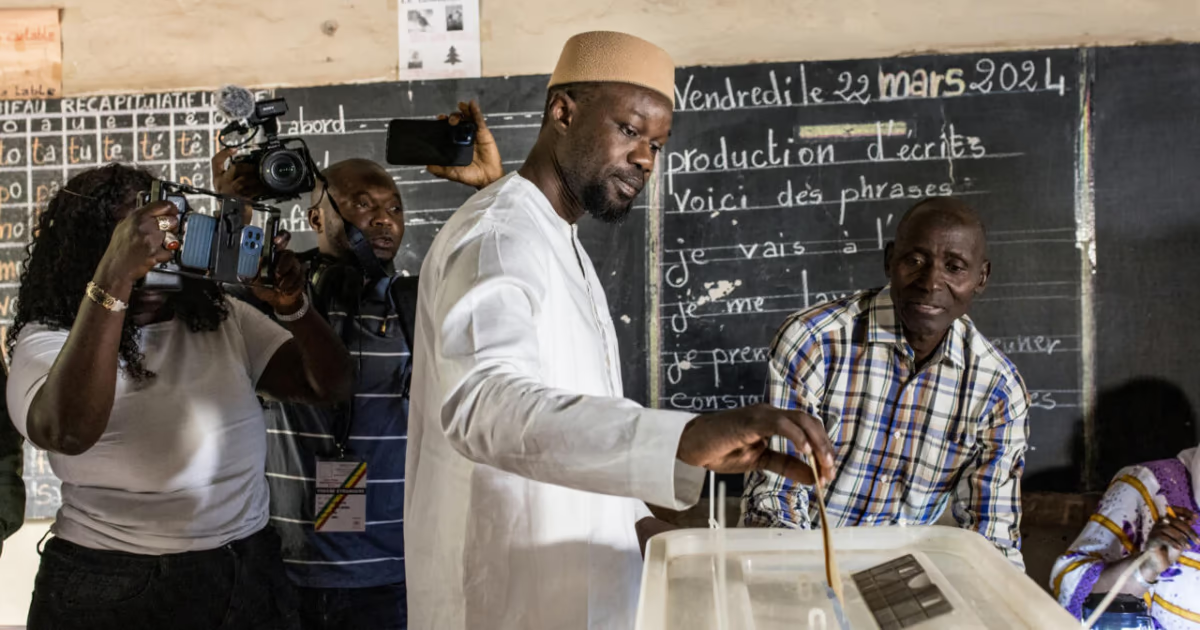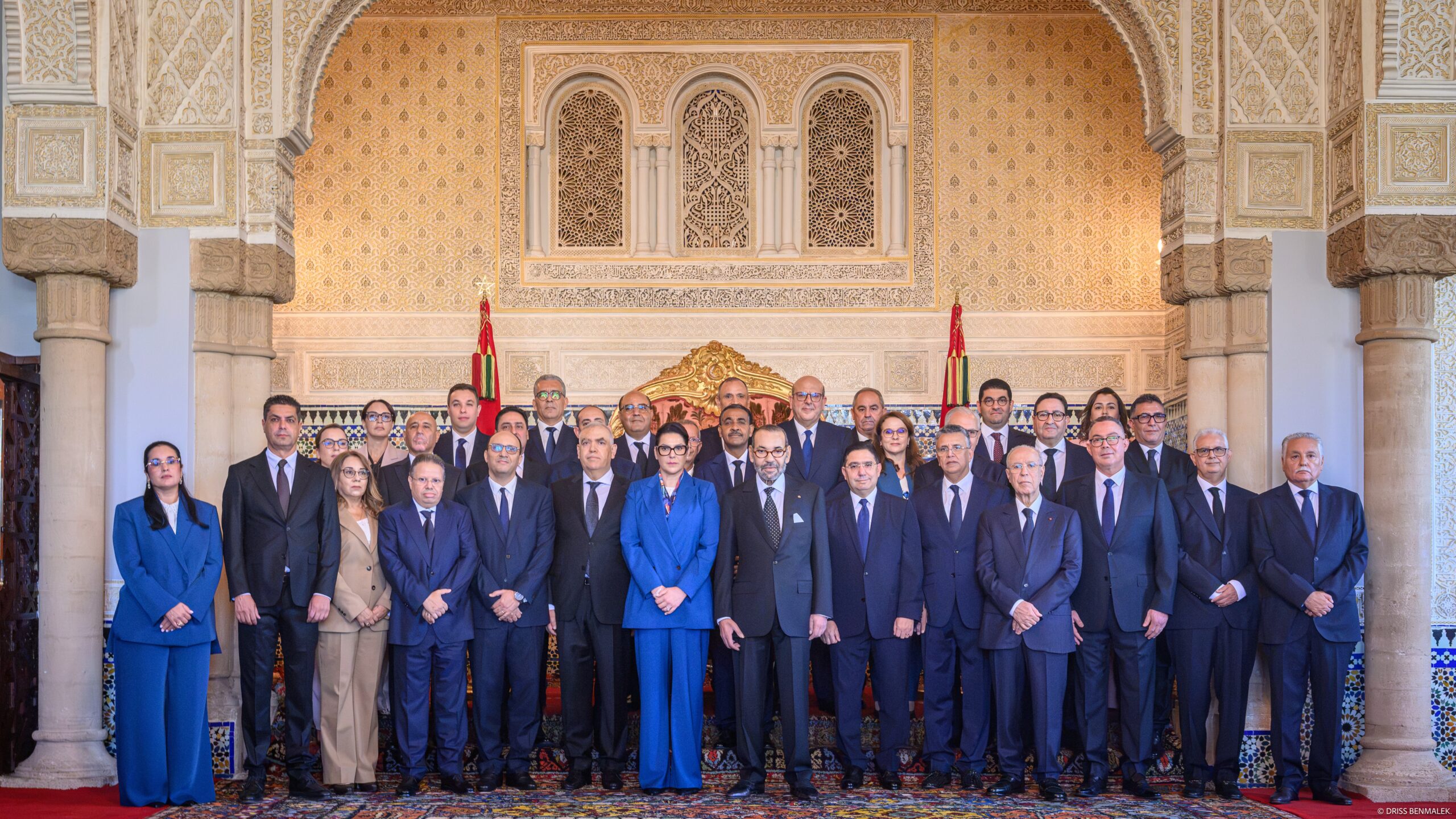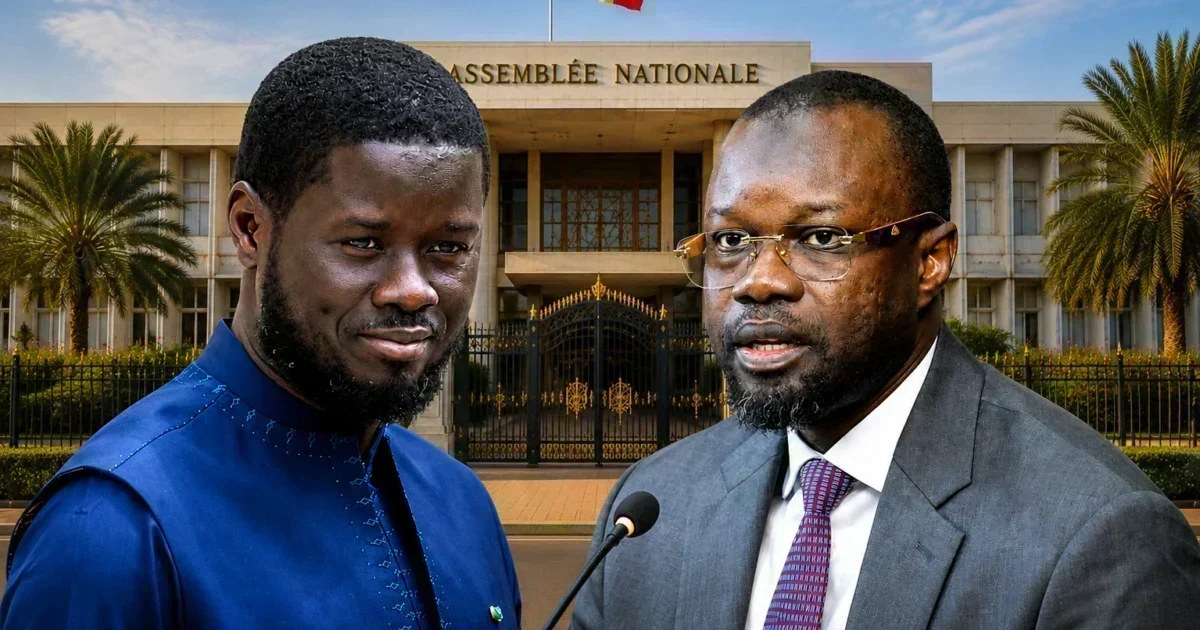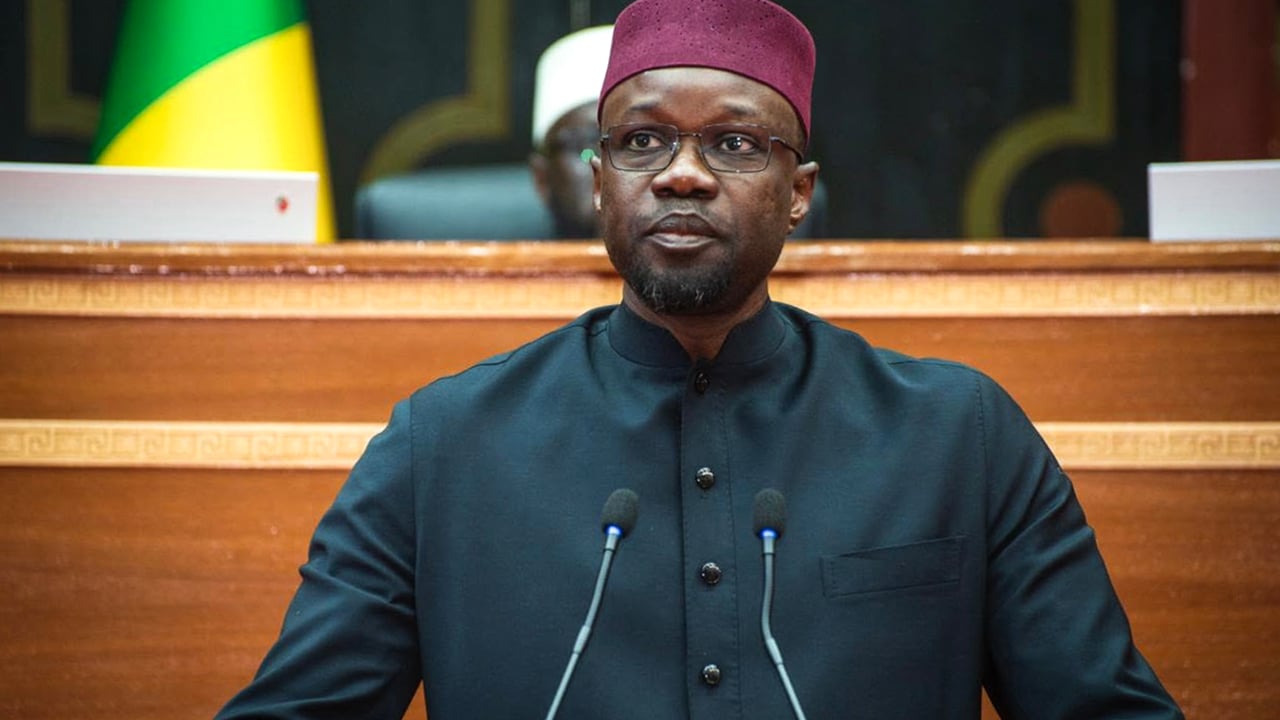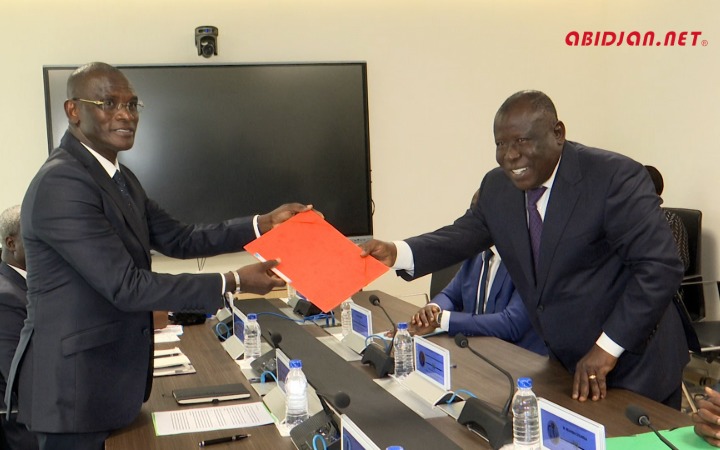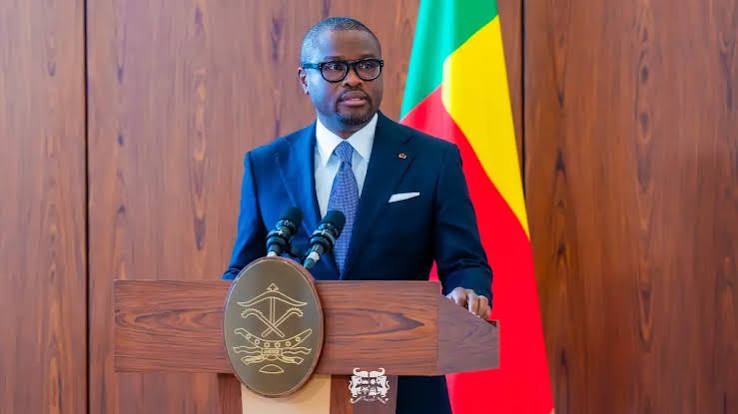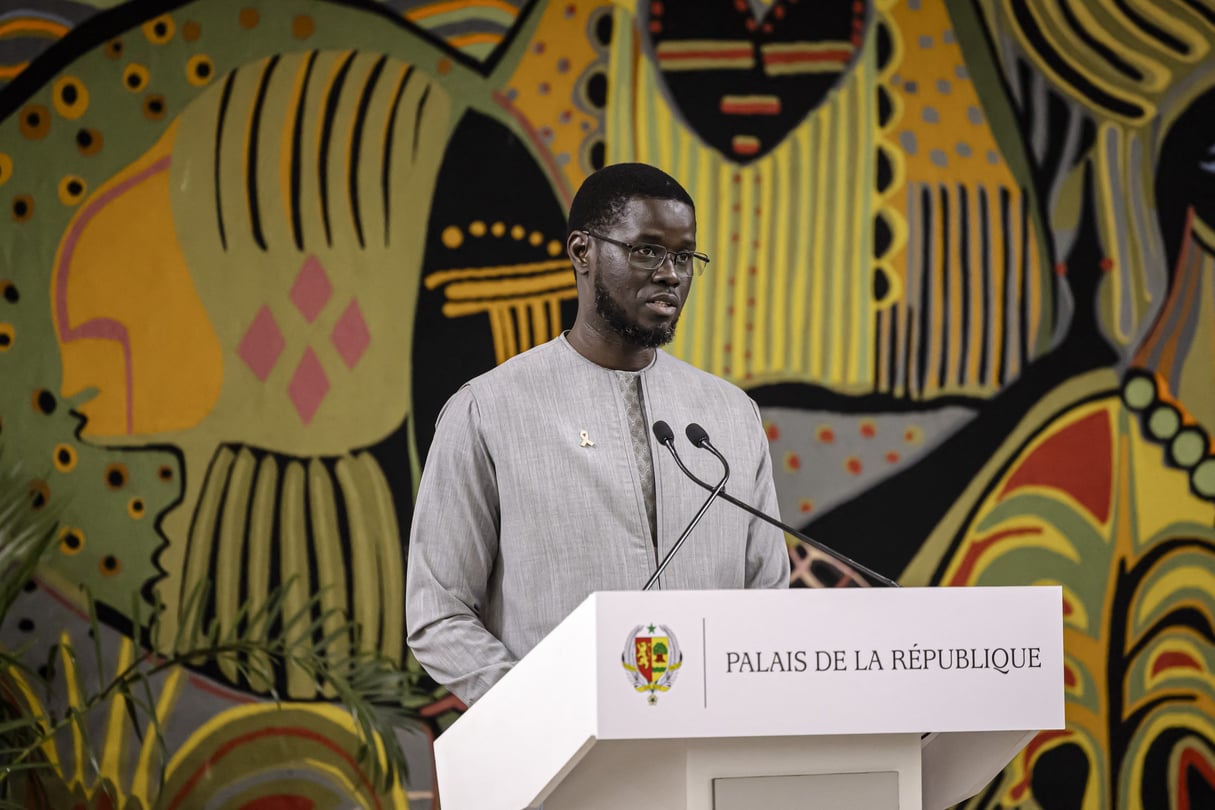
Senegal’s political landscape has entered a new phase with the formation of a government that reflects the realities of cohabitation between President Bassirou Diomaye Faye and opposition leader Ousmane Sonko.
The appointment of this executive team marks a significant shift in governance, as the Pastef movement—Sonko’s political force—now holds key positions within the administration. This transition underscores the delicate balance between the presidency and the opposition, shaping the nation’s future policies.
The composition of the cabinet highlights the challenges and opportunities ahead. With Pastef members integrated into government roles, the administration must navigate complex political dynamics while addressing pressing national issues. This development signals a departure from traditional governance models, emphasizing collaboration in a divided political environment.
The government’s formation also reflects the broader aspirations of Senegalese citizens, who have called for greater transparency and accountability in leadership. As the new team takes shape, all eyes will be on how it balances competing interests while advancing the country’s development goals.
Key appointments and political implications
The inclusion of Pastef representatives in the cabinet is more than a symbolic gesture—it represents a strategic move to foster unity and address societal demands. Among the notable figures in the new government are individuals closely aligned with Sonko’s vision, bringing fresh perspectives to policy-making.
This reshuffle comes at a critical juncture, as Senegal grapples with economic pressures and social expectations. The government’s ability to deliver on promises will be closely scrutinized, particularly in sectors like education, healthcare, and infrastructure. Observers are particularly focused on how the new administration will handle the delicate task of reconciling divergent political agendas.
The cohabitation between Bassirou Diomaye Faye and Ousmane Sonko is not without its complexities. While the president retains executive authority, the opposition’s influence within the government introduces a layer of negotiation and compromise. This dynamic could either strengthen democratic institutions or lead to prolonged political friction.
Public reaction and future outlook
The Senegalese public has responded with cautious optimism to the new government’s formation. Many citizens hope for tangible improvements in living standards, job creation, and social services. However, skepticism remains, especially among those wary of past political promises.
The coming months will be decisive in shaping the government’s trajectory. Will this cohabitation model prove effective, or will internal divisions hinder progress? The answers will determine not only the fate of the current administration but also the long-term stability of Senegal’s political landscape.