Tchad security minister addresses rising communal violence in parliament
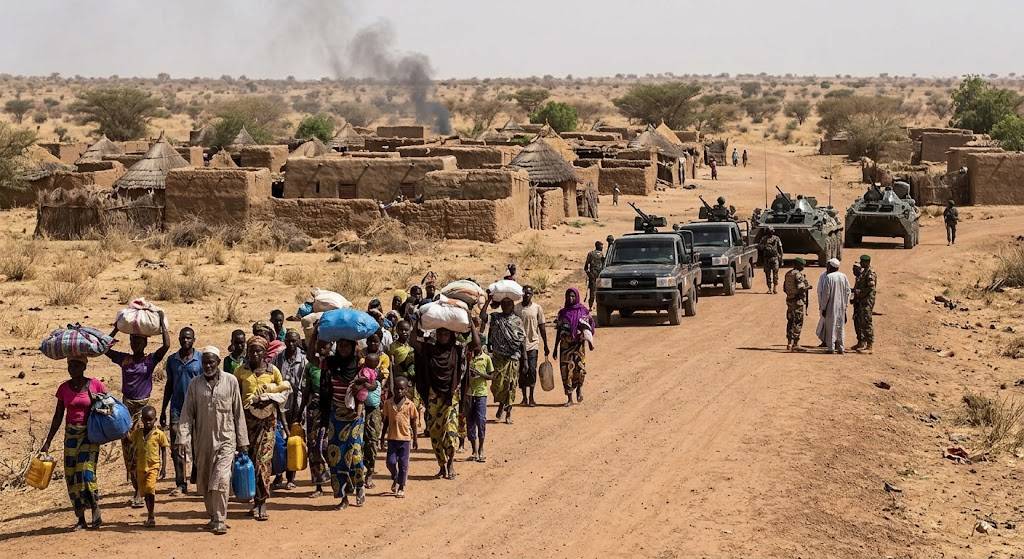
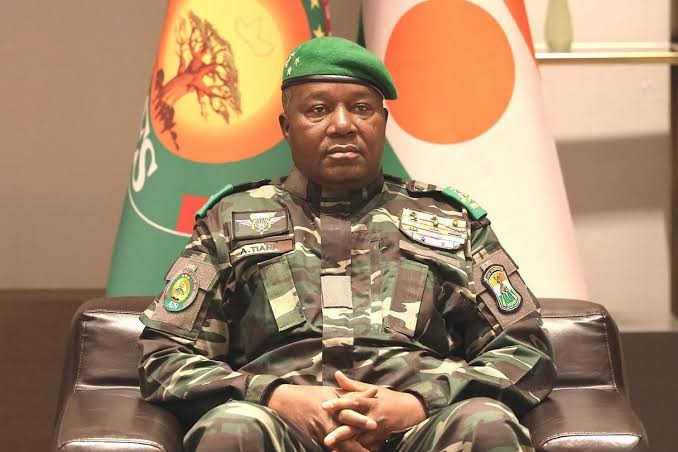
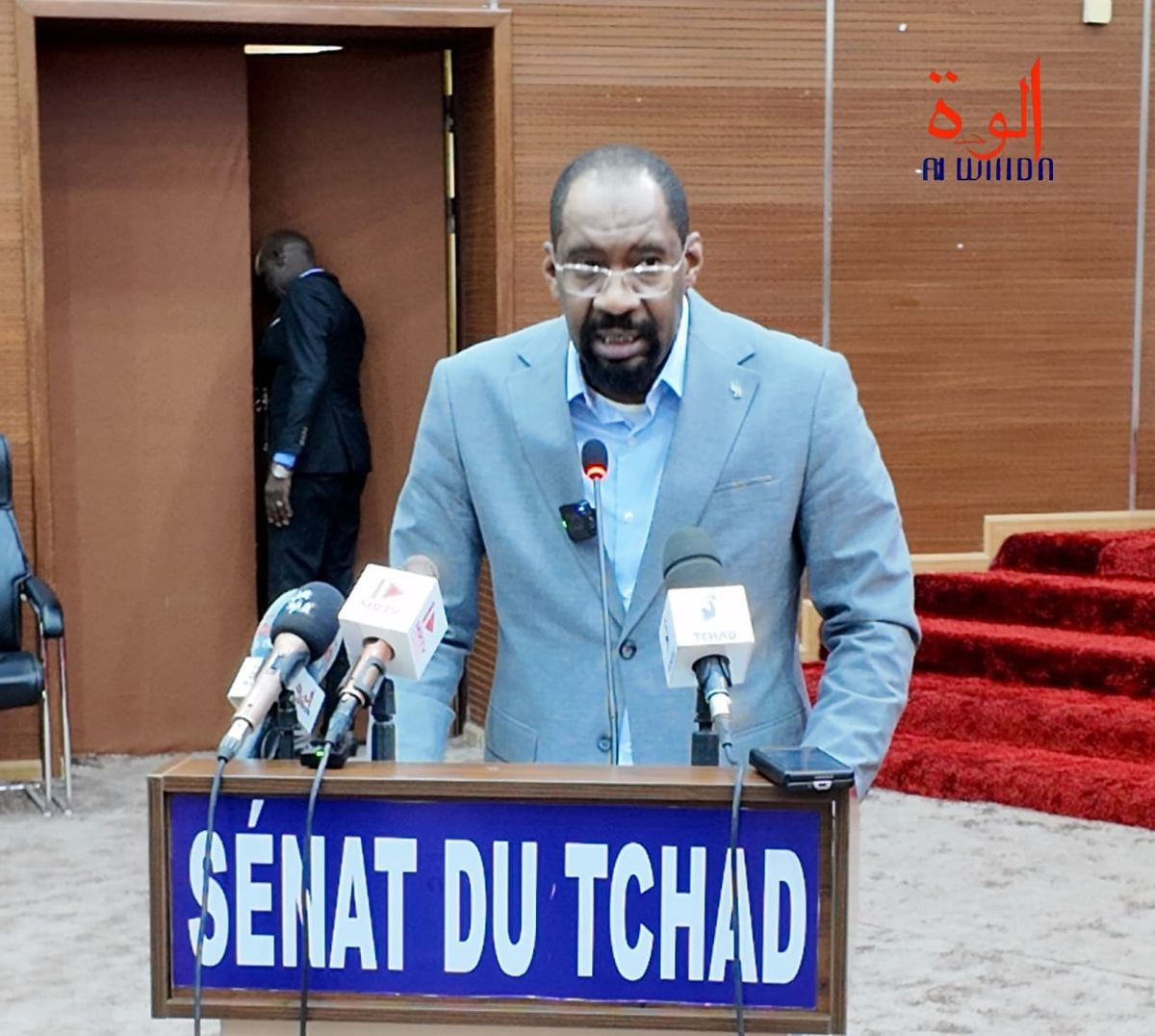
The Minister of Public Security and Immigration, General Ali Ahmat Aghabache, appeared before senators on June 1, 2026, to address escalating communal violence and persistent security challenges across Tchad. The session, led by Senate President Dr. Haroun Kabadi, focused on recent clashes in key provinces, including Mayo-Kebbi Ouest, Salamat, and Hadjar-Lamis, which resulted in multiple fatalities.
Senators highlight ongoing security gaps despite military deployments
During the session, Senate President Dr. Haroun Kabadi raised concerns about recurring conflicts despite the deployment of defense and security forces. Recent incidents included deadly clashes in Salamat in June 2025, Hadjar-Lamis in November 2025, and a farmer-herder dispute in Mandakao (Logone Occidental) in May 2025, which led to a mediated agreement in July 2025.
The Minister acknowledged the severity of the situation and expressed condolences to victims’ families, emphasizing that communal violence remains a critical challenge. He stressed that the government is committed to addressing root causes rather than relying solely on security measures.
Root causes of communal violence identified
The Minister outlined key factors fueling instability, including:
- Resource scarcity: Competition over water and land, exacerbated by climate change and population growth, has intensified disputes between farmers and herders.
- Weak legal frameworks: The absence of clear land-use regulations and pastoral corridors creates ambiguity and fosters conflict.
- Political exploitation: Tribal affiliations are sometimes manipulated for political gain, deepening divisions.
- Cross-border arms trafficking: The influx of illegal weapons has escalated traditional conflicts into deadly clashes.
- Historical land disputes: Border conflicts between communities have resulted in hundreds of deaths and injuries in 2025 alone.
The Minister also pointed to demographic pressures, with population growth straining already fragile ecosystems and social structures.
Security measures and future strategies
Senators praised the Minister’s efforts but emphasized the need for stronger action. In response, he highlighted recent initiatives, including:
- The establishment of new police stations in Abéché (Ouaddaï), which reduced insecurity in the region.
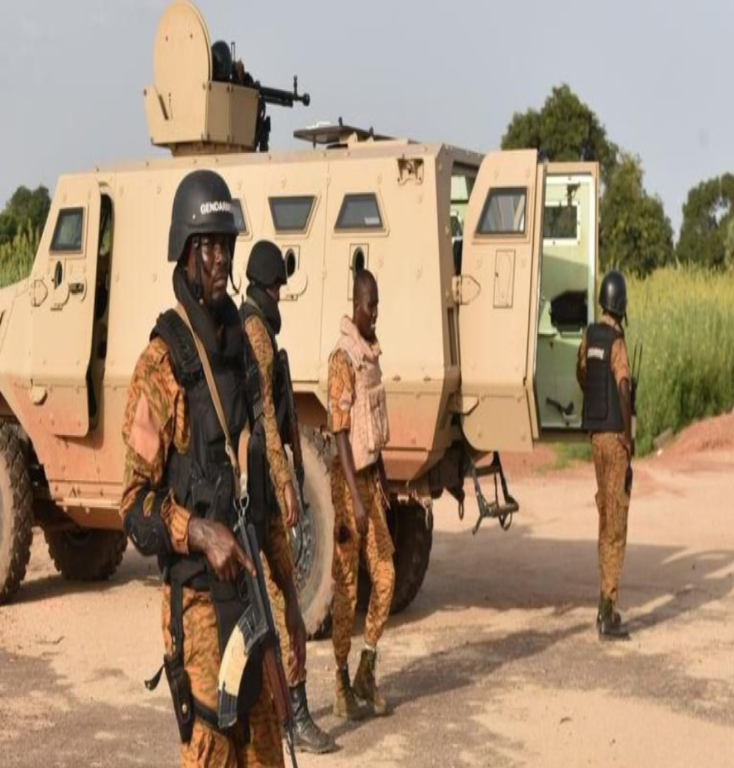
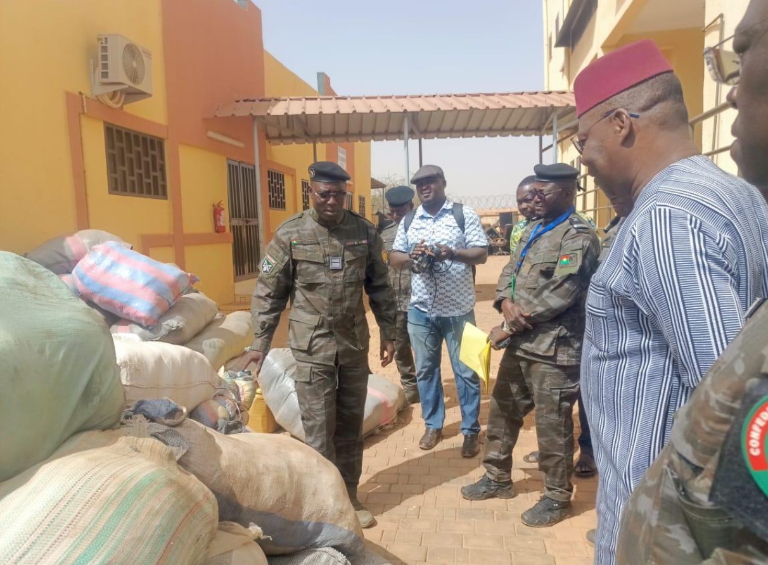
- The seizure of over 4,000 illegal weapons and the arrest of 1,300 suspected criminals between 2024 and 2025.
- Heightened efforts to combat Boko Haram-related abductions in Lac Province and kidnappings for ransom in Mayo-Kebbi Ouest.
He urged local leaders, traditional chiefs, and elected officials to prioritize social cohesion and community dialogue to prevent future violence. The Minister acknowledged that while security forces play a role in containing unrest, sustainable solutions require addressing underlying economic and political grievances.
As Tchad grapples with these challenges, the government’s dual approach—combining security operations with community engagement—aims to restore stability and rebuild trust in vulnerable regions.