Senegal’s democracy tested by Faye-Sonko rivalry
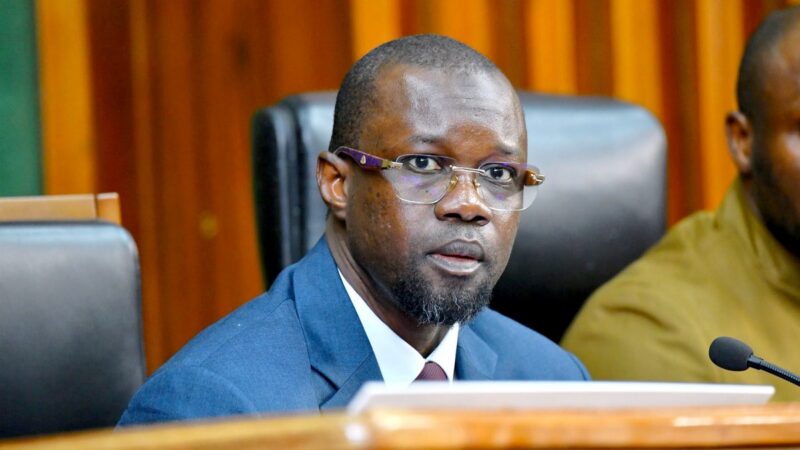
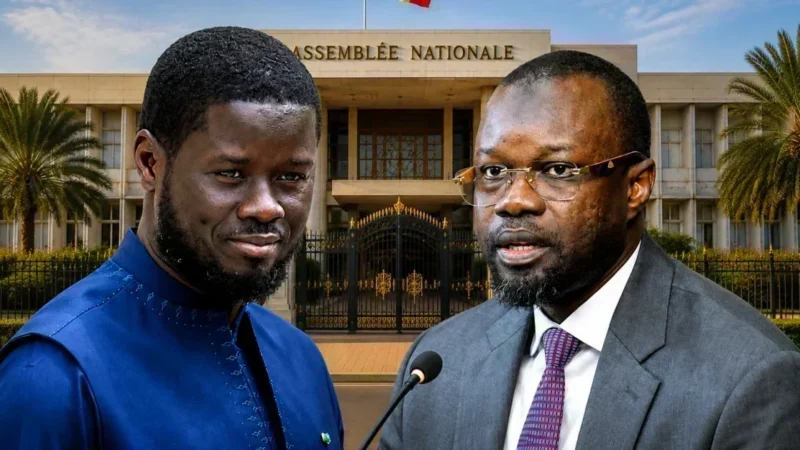
Dakar — A recent analysis by researchers Chukwuemeka Eze and Malick Fall raises pressing questions about how the escalating tensions between President Bassirou Diomaye Faye and Prime Minister Ousmane Sonko could impact Senegal’s democratic transition. Their commentary, published in an international forum, frames the conflict not merely as a personal feud but as a critical moment for the nation’s political future.
Drawing from an African proverb—when two elephants fight, it is the grass that suffers—the authors highlight how Senegal, once hailed as a democratic model in West Africa, now finds itself at a crossroads. The 2024 presidential victory of Bassirou Diomaye Faye, made possible through Ousmane Sonko’s strategic political backing, had initially sparked widespread optimism. Yet today, that alliance appears strained, threatening to overshadow the very reforms that once inspired voters.
From alliance to adversity: the debt dilemma
The rift between the two leaders, according to Eze and Fall, stems not from ideological differences but from competing visions on managing Senegal’s mounting public debt. While Sonko advocates for economic sovereignty and outright rejection of debt restructuring, Faye faces pressure to reassure international investors and development partners. Recent statements from the Ministry of Economy and Finance confirm the government’s stance against formal restructuring, underscoring a pragmatic yet contentious approach.
This divergence, the authors argue, reflects the broader challenge of reconciling ambitious reform agendas with the realities of governance. The tension is not rooted in opposing economic doctrines but in the delicate balance between transformative aspirations and fiscal constraints. Yet as political calculations increasingly influence decision-making, the urgency of implementing key reforms risks being sidelined.
Constitutional reforms at the heart of debate
The irony deepens as the movement that promised to strengthen democratic institutions now grapples with the very reforms it championed. Proposals to revise the constitution, aimed at rebalancing power between the executive and parliament, have become a focal point of national debate. Supporters view them as a continuation of the Pastef movement’s historic agenda, while critics question their timing and execution. For Eze and Fall, the true test lies not in the legal text itself but in the political trust surrounding its implementation. A democracy, they emphasize, thrives on both constitutional integrity and the credibility of its leaders.
The authors caution that while Senegal’s democratic institutions remain resilient—with the judiciary, parliament, and constitutional processes functioning—the prolonged political standoff diverts attention from pressing issues. For ordinary citizens, the stakes are clear: job creation, cost-of-living stability, and improved public services. Each day spent navigating political tensions is a day lost in advancing the transformative agenda that once united voters behind change.
In a region where democratic setbacks often manifest through coups or violent unrest, Senegal stands out for its institutional stability. Yet the authors warn that complacency could erode this resilience. The future of Senegal’s democracy may well hinge on whether its leaders can move beyond rivalry to prioritize the collective good.