Senegal’s political shift: Sonko reclaims Pastef as Diomaye rules alone
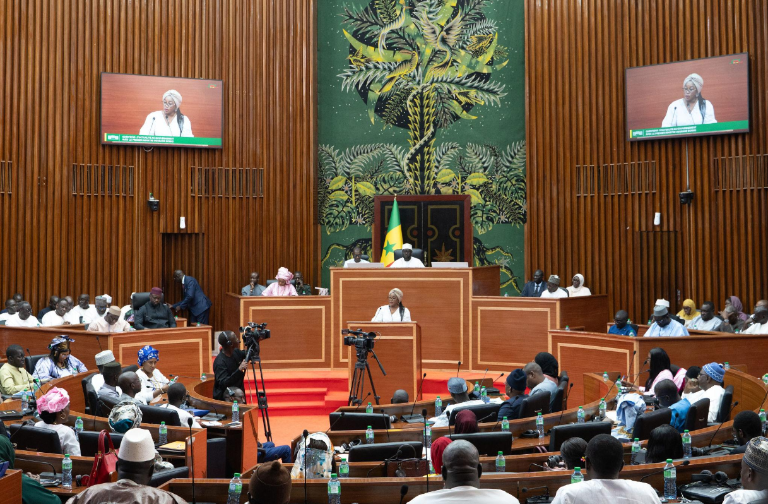
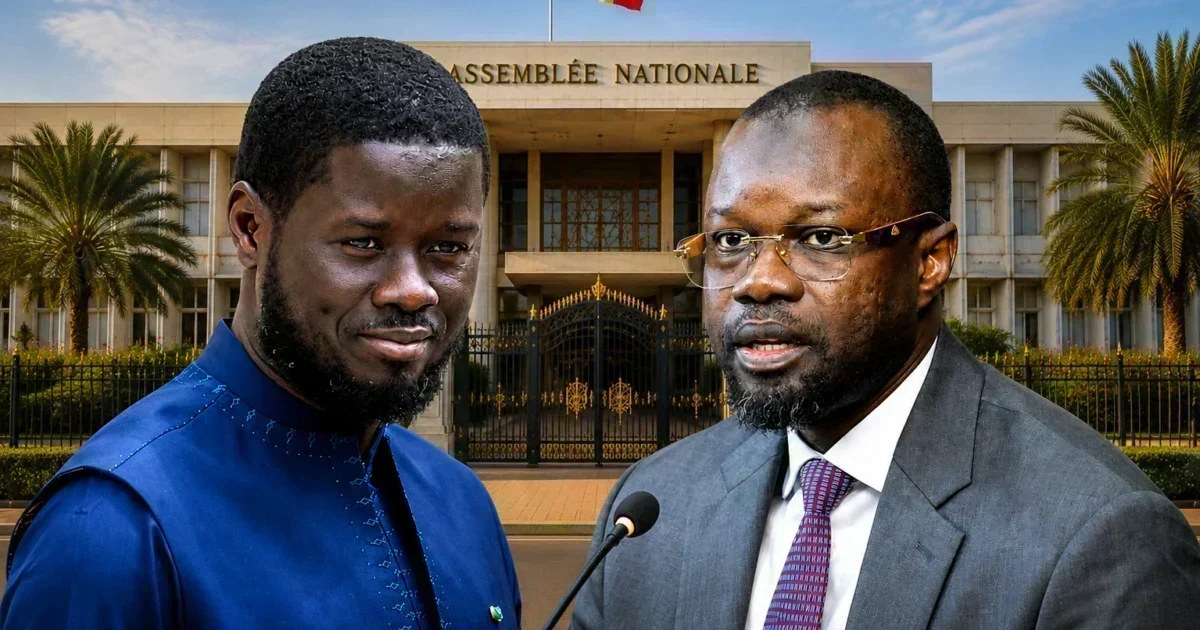
In a dramatic turn of events, Senegal’s political unity has fractured as the once-powerful partnership between President Bassirou Diomaye Faye and opposition leader Ousmane Sonko collapses under months of escalating tension. The president recently dismissed his prime minister, a move that followed Sonko’s re-election as leader of the Pastef party during its first congress since its inception. This development raises critical questions about the future of Senegal’s leadership, the shifting dynamics of its electorate, and the potential risks to national stability ahead of the 2029 elections.
What led to the breakup of the Faye-Sonko alliance?
The rift between Faye and Sonko emerged gradually, fueled by diverging visions for governance and policy priorities. While both initially united under a shared commitment to transformative change, differences in approach—particularly in economic reform and social policy—deepened over time. The final rupture came when the president made the decisive decision to remove Sonko from his government role, signaling a definitive end to their collaboration.
Who now holds influence over Senegal’s reformist electorate?
The re-election of Ousmane Sonko as head of the Pastef party underscores his enduring sway over a significant portion of the electorate that rallied behind the promise of systemic change. His leadership of the party, now independent of government ties, positions him as a central figure in shaping the opposition’s strategy. Meanwhile, President Faye must navigate governance without his former partner’s support, raising concerns about legislative cohesion and public trust.
What are the implications for Senegal’s stability and future?
The consequences of this political realignment could extend far beyond party lines. Analysts warn that the absence of a unified front may lead to legislative gridlock, complicating the implementation of key policies. Additionally, the shifting alliances could reshape voter expectations, particularly among younger demographics who have been vocal advocates for reform. As Senegal approaches another electoral cycle, the stakes for stability and progress have never been higher.