
Senegal Space Week: Dakar accelerates its technological sovereignty strategy
Senegal is making a bold statement in the global race for strategic technologies. At the second edition of the Senegal Space Week, government officials reaffirmed the country’s ambition to become a future African hub for space technology, data analytics, and artificial intelligence.
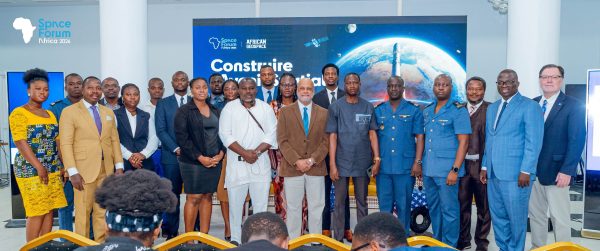
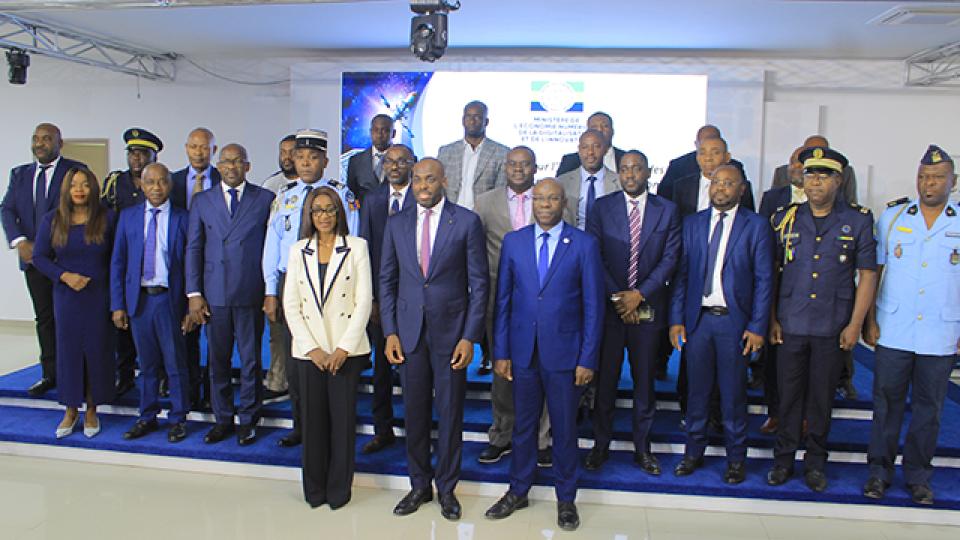
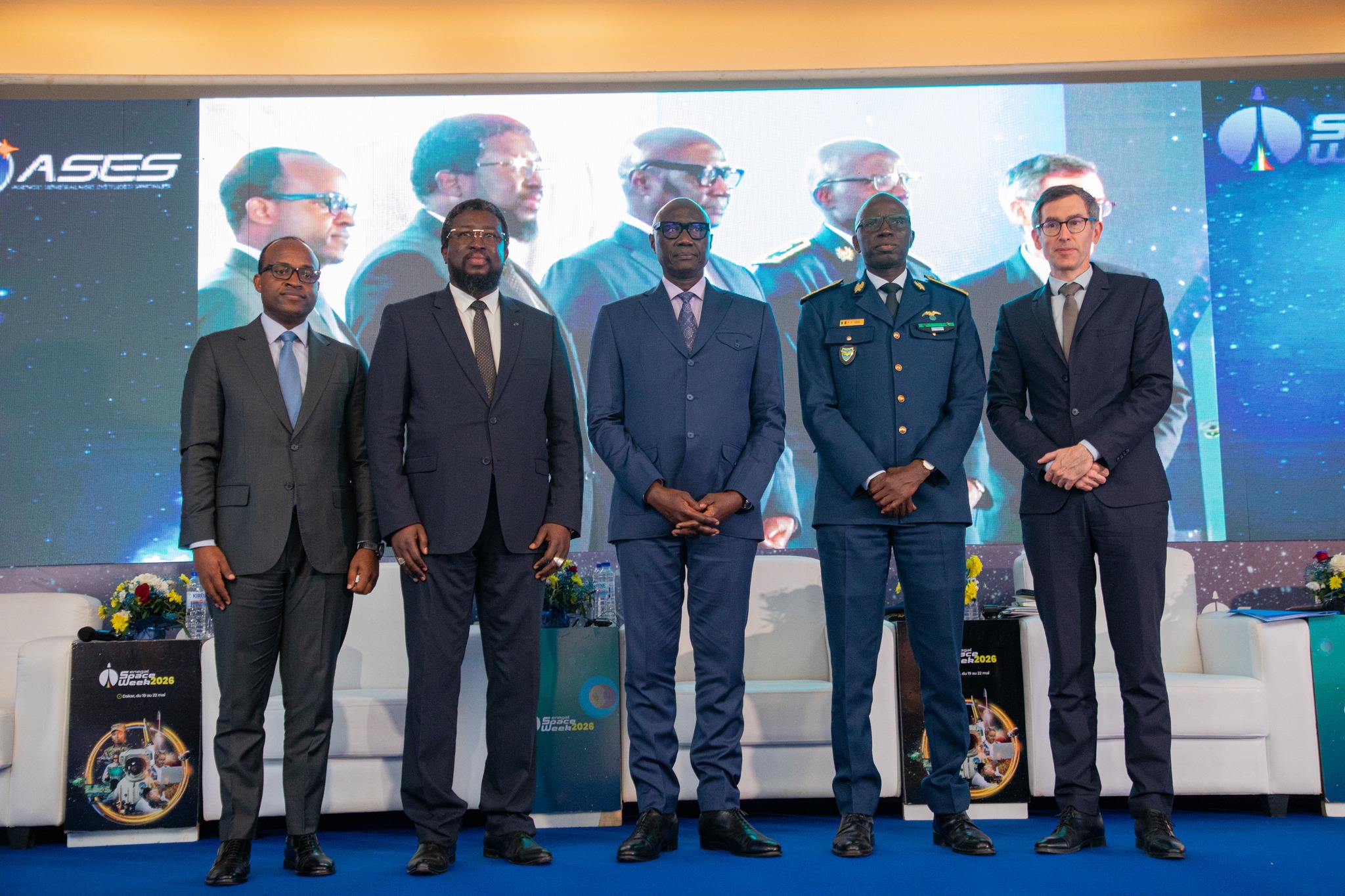
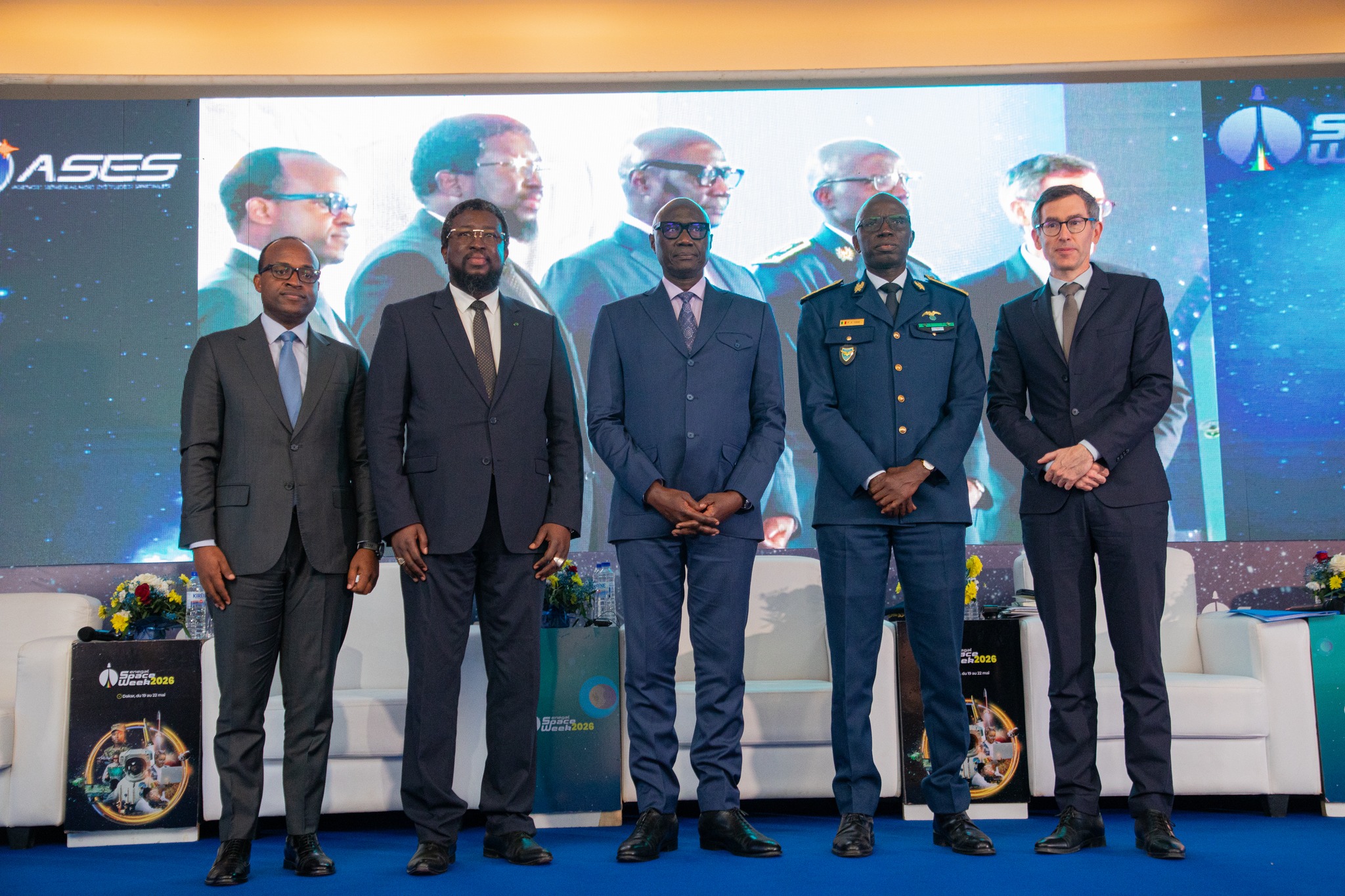
The event, held under the High Patronage of President Bassirou Diomaye Faye, was organized by the Senegalese Space Studies Agency (ASES). It takes place at a time when nations worldwide are increasingly prioritizing space technology, geointelligence, and digital infrastructure as pillars of state sovereignty.
Following its inaugural edition in 2025, this year’s Senegal Space Week shifts its focus toward more strategic priorities—security, defense, and territorial governance. Under the theme “Space for Security and Defense: Applications and Geointelligence for Safeguarding Our Territories,” the event aims to solidify Senegal’s position in Africa’s growing space technology ecosystem.
Space technology at the heart of new power dynamics
In a geopolitically charged speech, the Minister of Armed Forces, Biram Diop, emphasized that the global competition for influence is no longer confined to traditional military arenas but now extends to space and data sovereignty.
He stressed that space capabilities have become indispensable tools for national sovereignty, particularly in areas such as border surveillance, cybersecurity, strategic intelligence, maritime security, counterterrorism, and natural disaster prevention.
“Mastery of space capabilities is no longer optional—it has become a necessity,” the Air Force General told attendees.
A structured technological strategy built on geointelligence
Maram Kaïré, Director General of ASES, outlined a more structural vision for Senegal’s space ambitions. He explained that the integration of satellite technology, artificial intelligence, and geographic information systems will empower Senegal to enhance its analytical, predictive, and public decision-making capabilities.
The ASES leader also highlighted ongoing collaboration with defense and security forces, positioning geointelligence as a major strategic lever for national security.
Critical infrastructure in development
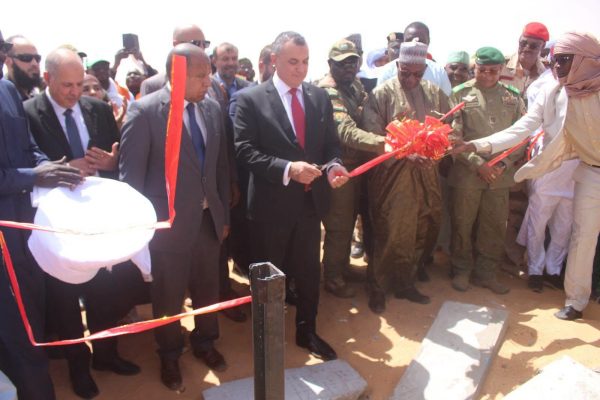
Beyond declarations of intent, Senegal is actively building the infrastructure needed to support its space ecosystem. Key initiatives include the construction of the country’s first astronomy and astrophysics observatory in Khombole, where the foundation stone was laid last November.
Authorities are also working on establishing satellite data reception and processing stations, high-performance computing platforms, innovation and incubation centers, and future microsatellite assembly and testing facilities. These developments are designed to foster a homegrown scientific and technological industry centered on space technology.
A space diplomacy to boost Senegal’s global influence
Senegal is also seeking to assert itself in international space forums through an active technological diplomacy. Since its creation, ASES has forged partnerships with space agencies, scientific institutions, and international organizations worldwide.
According to Maram Kaïré, this strategy aims to facilitate knowledge transfer, attract tech investments, and strengthen national capacities to position Senegal as a credible, respected, and constructive voice in global discussions on space governance.
Investing in Africa’s youth and talent
Senegalese authorities are determined to make human capital the foundation of this technological ambition. Key priorities include training engineers, expanding science programs, promoting space technology literacy, nurturing young talent, and fostering specialized university programs.
“No space ambition can succeed without massive investment in human capital,” reminded the ASES Director General.
Through this strategy, Senegal is positioning itself to embed its sovereignty within the evolving global landscape of advanced technologies—where data, artificial intelligence, and satellites are becoming essential instruments of economic and geopolitical power.

François Mvondo
Journalist