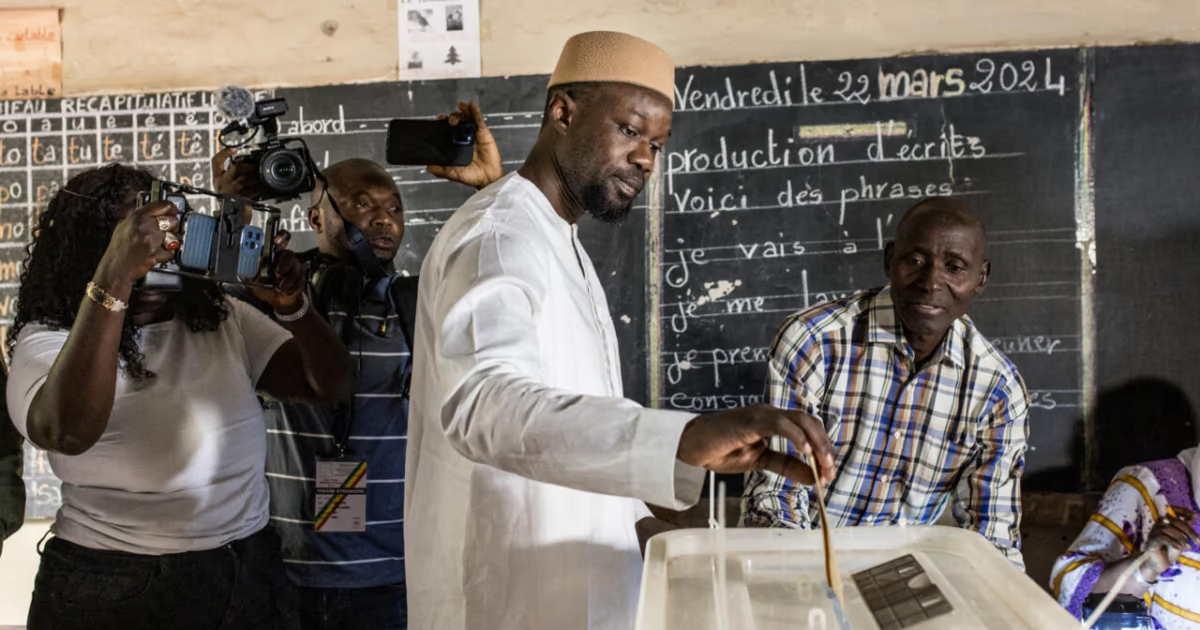
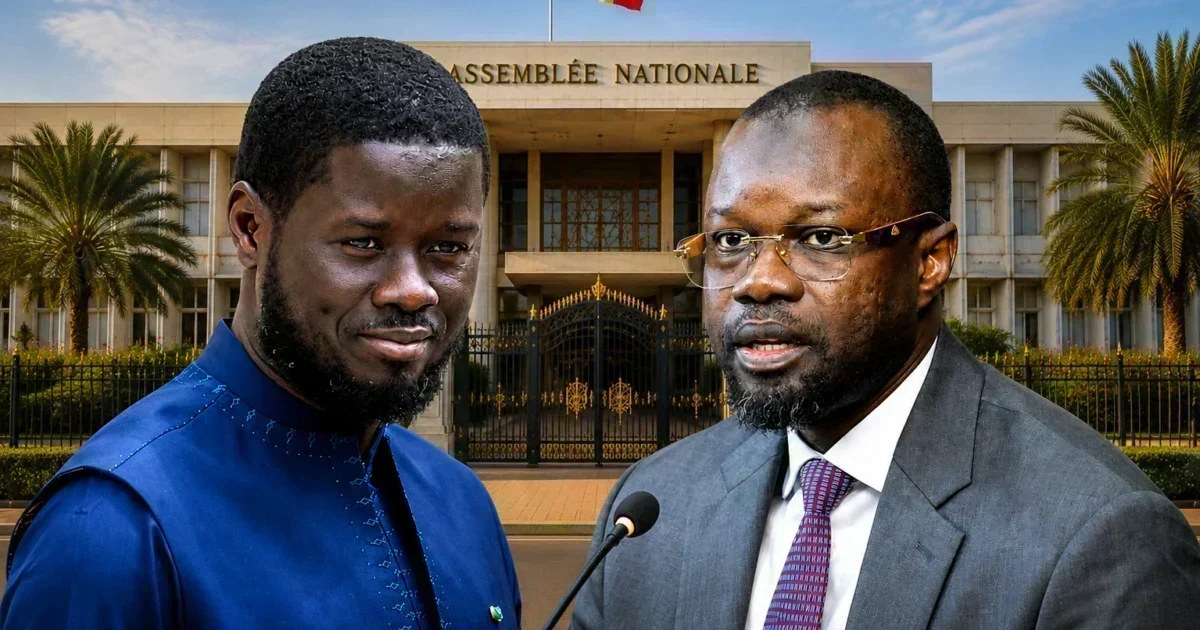
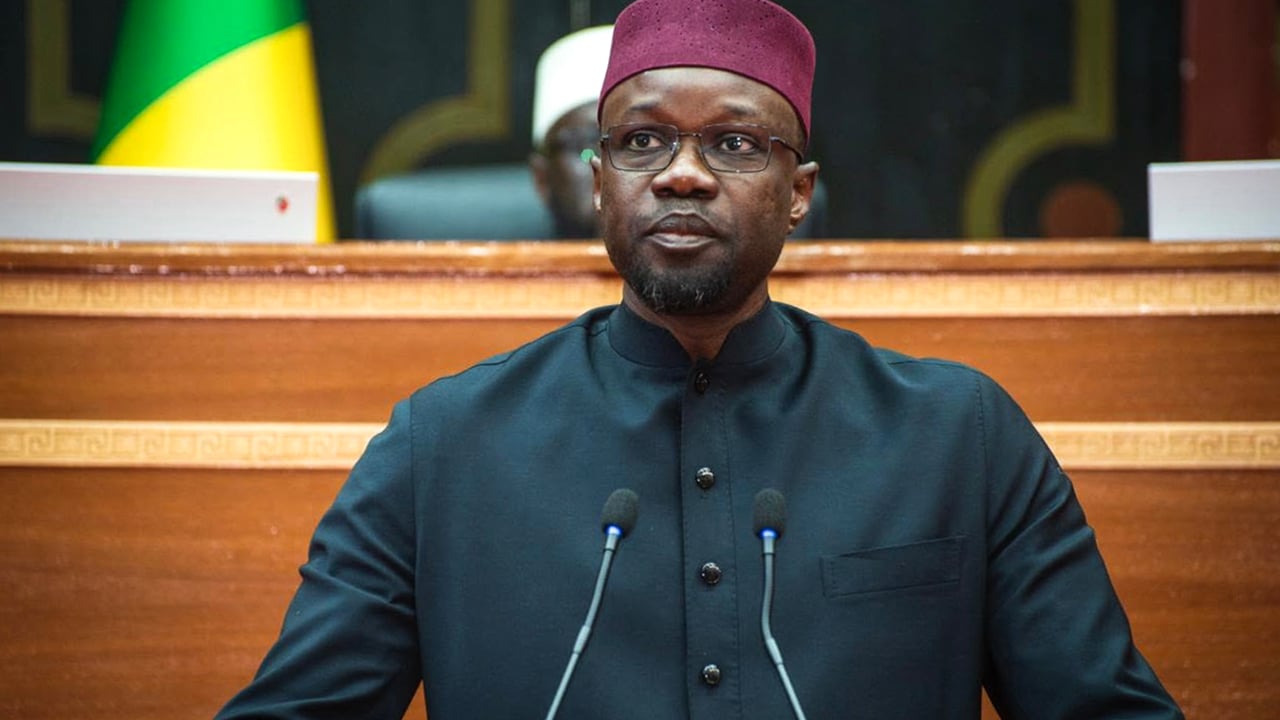
Senegal’s Prime Minister Ousmane Sonko held a press conference in Dakar on Tuesday, following the announcement of a reshuffled government. The event, closely watched by political analysts and citizens alike, comes at a pivotal moment for the leader of the Pastef party, whose cabinet restructuring was authorized by President Bassirou Diomaye Faye. The session aimed to clarify the rationale behind key appointments, outline the new administration’s priorities, and address concerns arising from the reshuffle.
Economic stakeholders await clear signals from Dakar
The government’s restructuring had been anticipated for weeks, arriving against a backdrop of tighter-than-expected fiscal constraints and ongoing negotiations with the International Monetary Fund. Investors, development partners, and commercial allies are closely examining the changes, particularly in areas such as debt management, extractive industry contracts, and major infrastructure projects. The selection of new ministers and the reallocation of portfolios will reveal whether Dakar is maintaining continuity or pursuing significant reforms in critical sectors like hydrocarbons, telecommunications, and public procurement.
The Prime Minister’s address is expected to serve as both a framework-setting exercise and a platform for public education, offering insights into the administration’s policy direction. With Senegal’s economic trajectory under scrutiny, the clarity of messaging will be crucial in reassuring domestic and international stakeholders.
Sonko’s pivotal role in Senegal’s executive branch
Since assuming the role of Prime Minister in April 2024, Ousmane Sonko has occupied a uniquely influential position within Senegal’s power structure. As the leader of the majority party in the National Assembly, following the November 2024 snap elections, his political weight extends beyond the traditional duties of a head of government. Observers see Tuesday’s press conference as an opportunity for Sonko to reassert his influence over the national agenda and present a cohesive narrative amid opposition criticism.
The event will also provide a chance to assess the cohesion between Sonko and the President. Persistent rumors of disagreements between the two have circulated, and the press conference is expected to offer clarifications. Known for his direct communication style and preference for bold policy announcements, Sonko is likely to use the platform to address both domestic and international audiences.
Budgetary constraints shape the new government’s priorities
The reshuffled cabinet inherits a challenging macroeconomic environment, requiring a delicate balance between debt servicing, deficit reduction, and continued investment in strategic sectors. The upcoming production from oil and gas fields—such as Sangomar and Grand Tortue Ahmeyim, operated by Woodside and bp respectively—will be a critical factor in determining future state revenue.
In parallel, the Prime Minister’s office must advance reforms in public administration, renegotiate key mining and energy contracts, and enhance agricultural productivity. The issue of digital sovereignty, a priority since the political transition, is also expected to feature prominently in Sonko’s remarks. With a focus on strengthening data infrastructure and regulating market operators, this agenda reflects Senegal’s ambition to assert greater control over its digital ecosystem.
The internal political landscape remains a key consideration. With a comfortable majority in Parliament, the Pastef-led administration can no longer attribute delays to cohabitation challenges. Tuesday’s press conference will thus serve as a litmus test for Sonko’s ability to translate electoral support into tangible policy outcomes—a critical expectation in a country demanding visible results.