Senegal political shakeup as president faye dismisses prime minister sonko
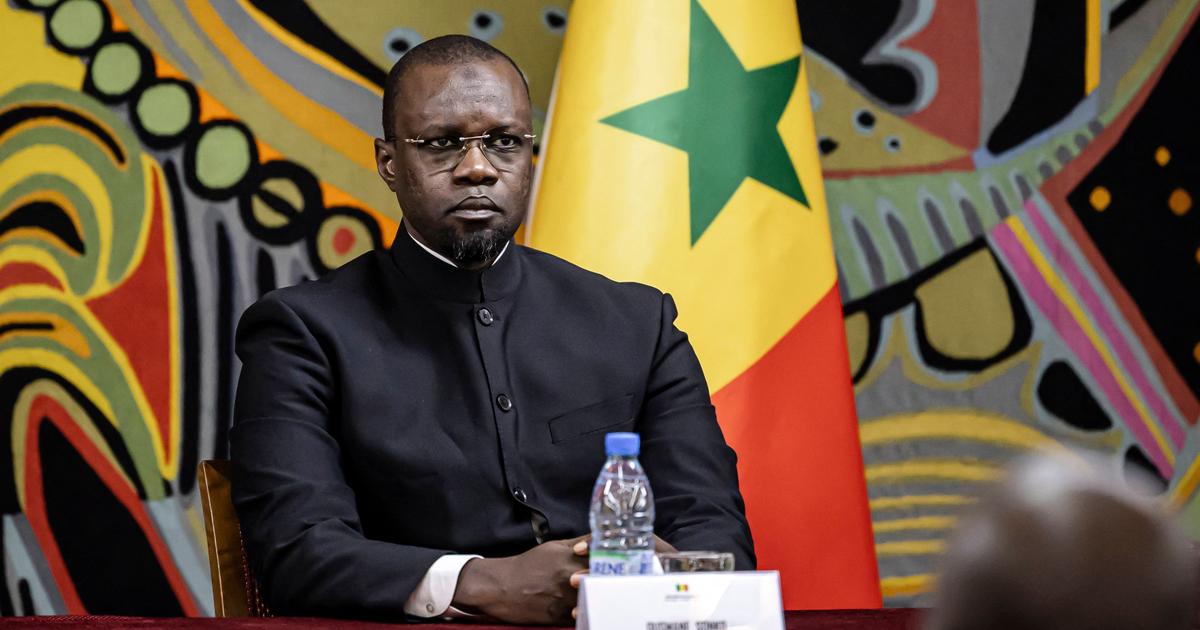
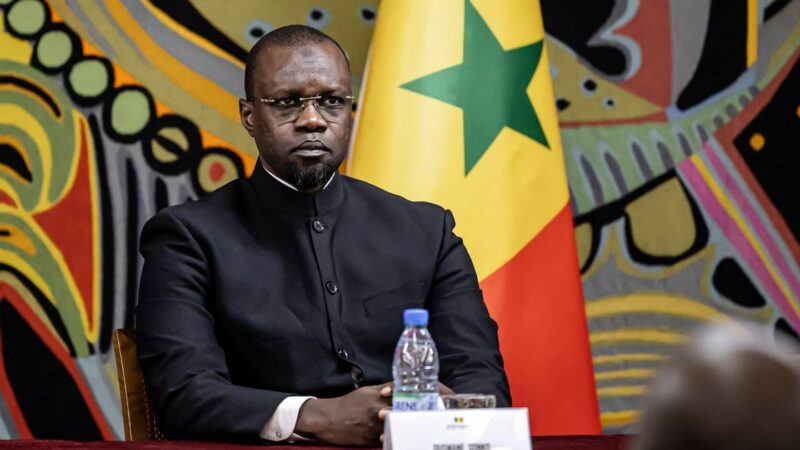
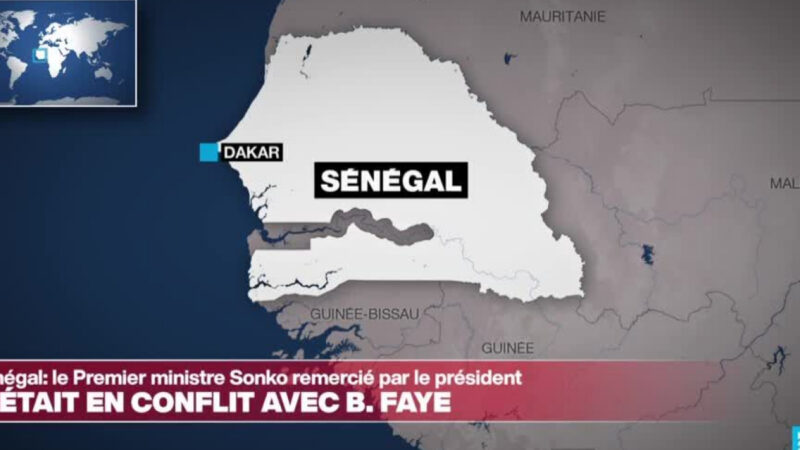
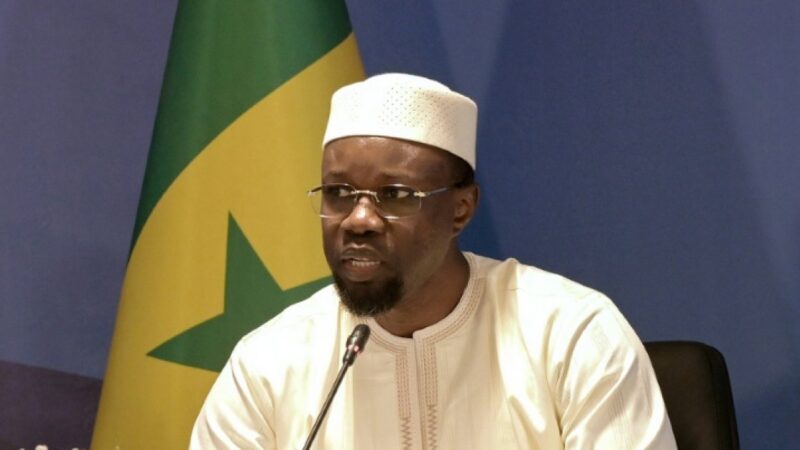
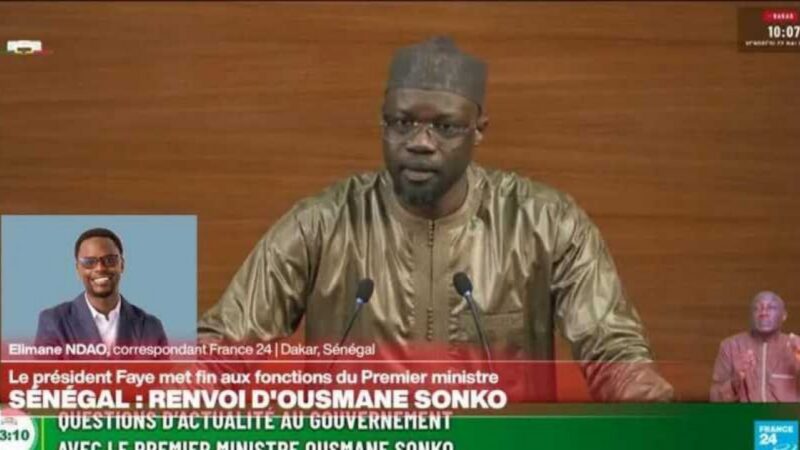
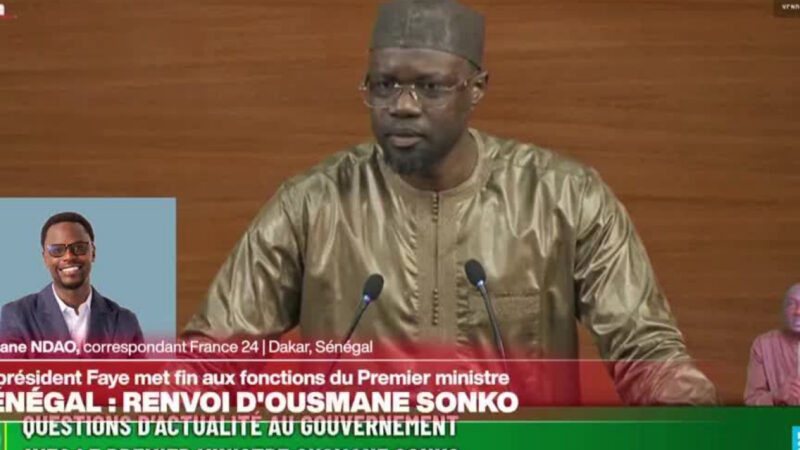
The political landscape in Senegal has been rocked by a sudden and decisive move as President Bassirou Diomaye Faye terminated the mandate of Prime Minister Ousmane Sonko through a presidential decree issued on May 22. This abrupt decision has sent shockwaves through the nation, marking the end of months of simmering tensions and internal power struggles within the executive branch.
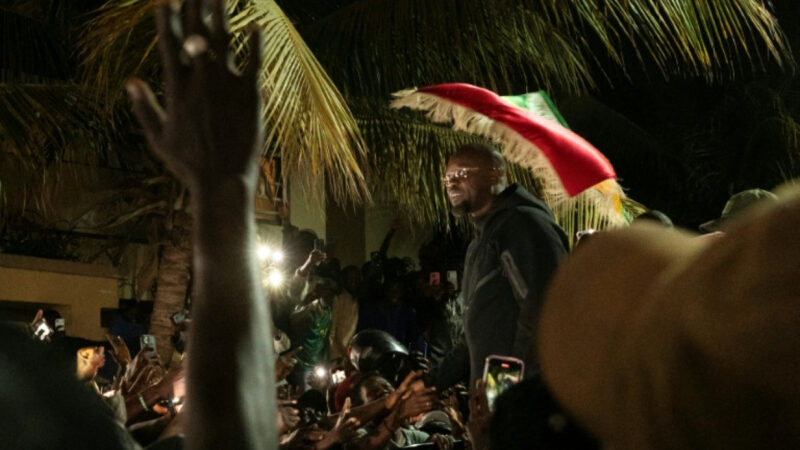
The dismissal came just hours after Ousmane Sonko delivered a high-stakes address to Parliament, where he openly challenged the authority of the head of state. During his speech, Sonko asserted his role as a “Prime Minister who makes decisions without seeking prior approval”, a statement that underscored the deepening rift between the two leaders. Sonko, a prominent figure among Senegal’s youth, had been barred from running in the 2024 presidential election and had previously endorsed Faye as his substitute in the race.
Meanwhile, across the Atlantic, the United States has introduced a sweeping change to its immigration policies, significantly altering the path to obtaining a green card. Under the new directive from U.S. Citizenship and Immigration Services (USCIS), applicants must now return to their country of origin to complete the application process. Previously, individuals holding temporary visas could apply for permanent residency from within the U.S. through an “adjustment of status”, allowing them to remain in the country while their application was reviewed. The policy shift has drawn sharp criticism, with lawmakers like Democratic Representative Chuy García condemning the measure as “absurd and cruel”, warning that it will force “thousands of legal immigrants—including spouses of U.S. citizens—to leave their homes, families, and jobs for weeks or months to secure their green cards.”
The reshuffle in Washington’s intelligence leadership continued as Tulsi Gabbard, Director of National Intelligence (DNI), announced her resignation, effective June 30. Gabbard, known for advocating a more measured approach to foreign policy, cited personal reasons for her departure, stating she was leaving to support her husband, who is battling a rare form of bone cancer. Her exit follows a turbulent tenure marked by limited involvement in major national security decisions, including military operations in Iran and Venezuela.
On the international trade front, the European Union and Mexico have strengthened their long-standing commercial partnership by revising a trade agreement that has been in place since 2000. The updated accord eliminates tariffs on nearly all Mexican food exports to Europe and expands cooperation in areas such as security, migration, clean energy, and digital trade. With global protectionist measures on the rise, this move sends a clear signal of the partners’ commitment to fostering free trade and economic openness.
The global health front remains under scrutiny as a new case of hantavirus was confirmed aboard the cruise ship MV Hondius. The infected crew member, who had disembarked in Tenerife before being transferred to the Netherlands, brings the total number of cases to twelve. The death toll remains unchanged at three, according to the World Health Organization (WHO), which reported no new fatalities since the outbreak was first declared on May 2.