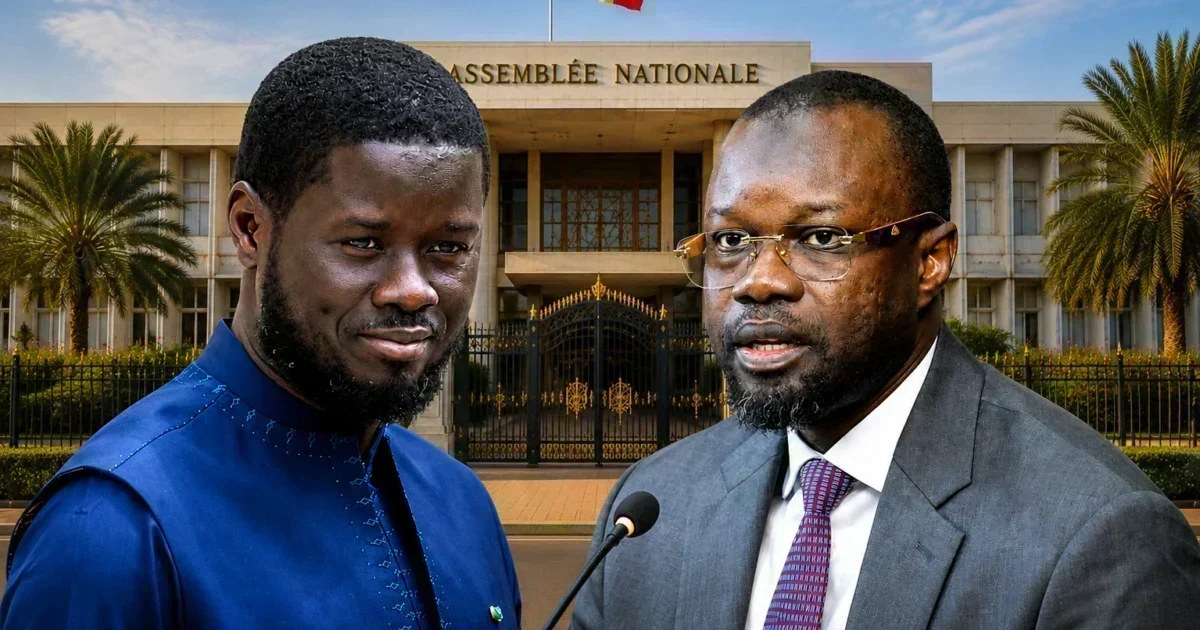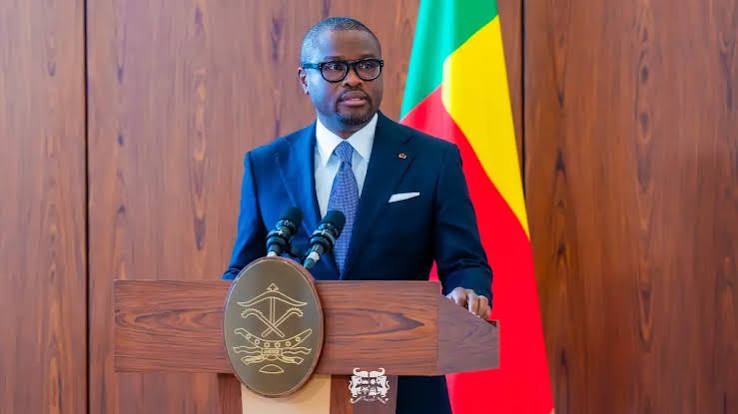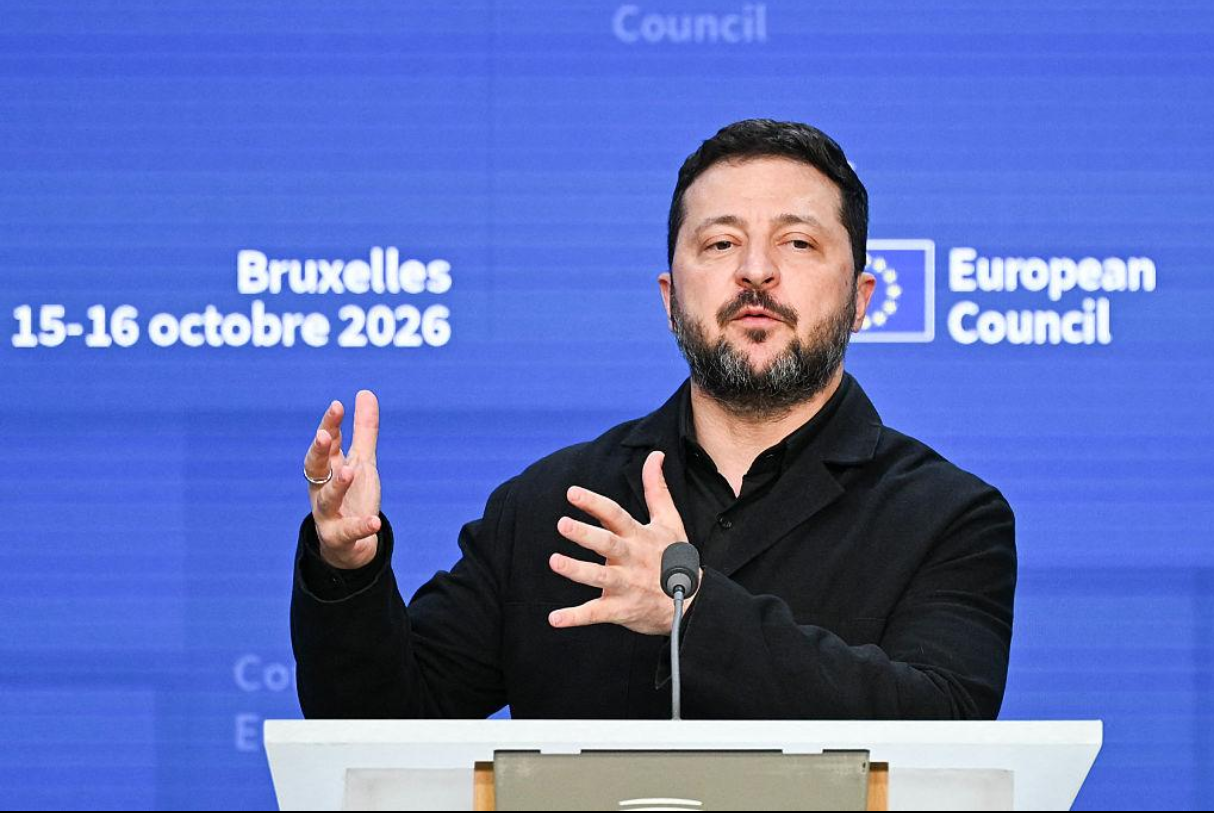
The Senegalese president, Bassirou Diomaye Faye, has dismissed Prime Minister Ousmane Sonko, ending a partnership that once energized the nation’s political landscape. The decision, announced through a televised statement by the presidential secretary-general, Oumar Samba Ba, stripped Sonko of his role along with the entire government cabinet.
While no immediate successor was named, the outgoing officials were tasked with handling routine administrative matters until a new leadership takes shape. The move follows months of escalating friction between the two leaders, whose alliance had once been a driving force behind Senegal’s recent political shift.
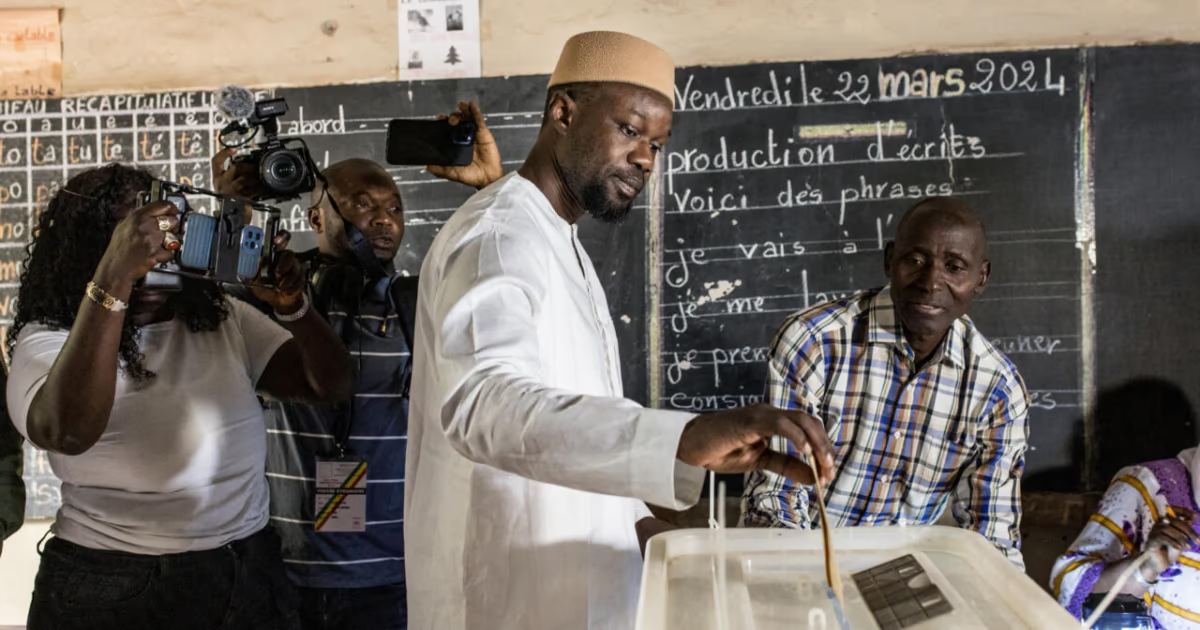
Sonko, a charismatic opposition figure under former President Macky Sall, faced legal obstacles that barred him from running in the 2024 election. However, his influence remained pivotal, leading to Bassirou Diomaye Faye’s candidacy—a move that culminated in their electoral victory and the slogan “Diomaye Moy Sonko” (Diomaye is Sonko) resonating across the country.
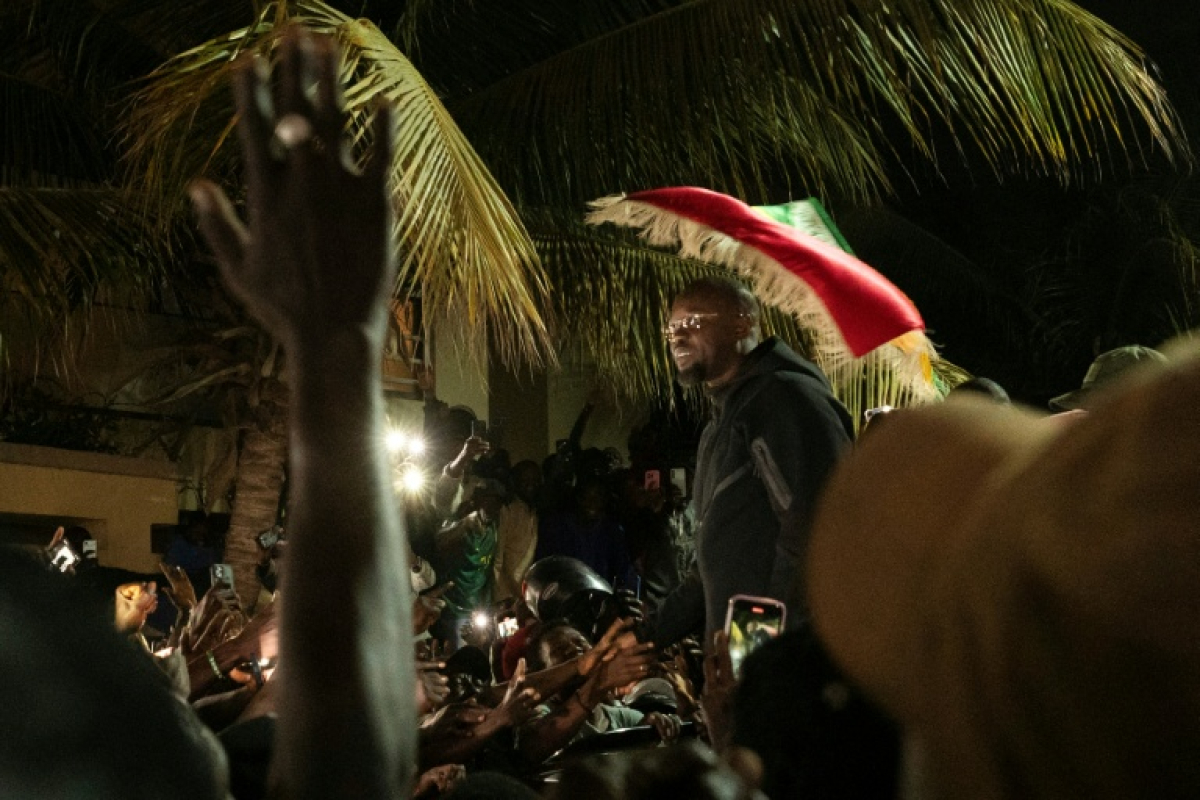
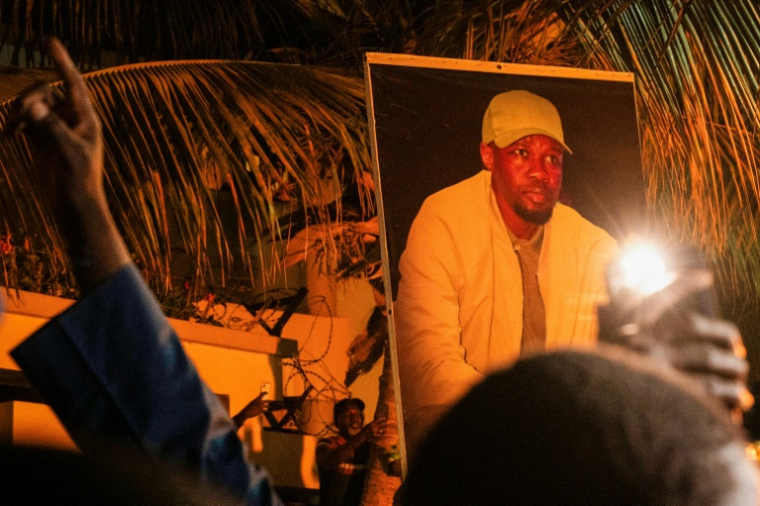
As Sonko exited the Prime Minister’s office, crowds gathered outside his Dakar residence to celebrate, with the former leader expressing relief on social media. His supporters, who had long rallied behind his panafricanist rhetoric and calls for change, continued to voice their backing even in the face of his dismissal.
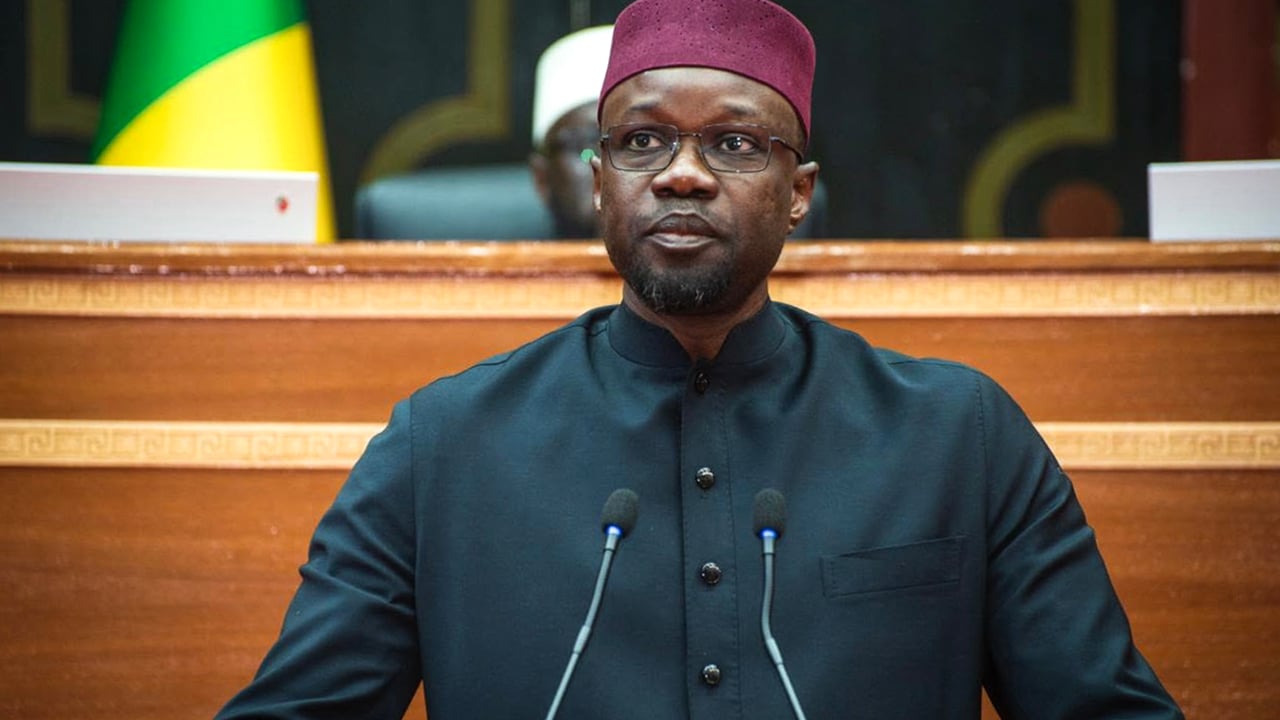
Earlier, Sonko had taken a bold stance in Parliament, criticizing Western influence and condemning what he described as attempts to impose cultural values on Senegal. This came shortly after the adoption of a controversial law toughening penalties for same-sex relations in the predominantly Muslim nation. The speech further highlighted the deepening divide between Sonko and the president.
Tensions had been simmering for months, with Faye publicly questioning Sonko’s leadership style within their party. In a televised interview, the president warned that Sonko’s position was contingent on his continued trust, signaling an inevitable shift in the political dynamic.
The ruling party, led by Sonko, commands a strong majority in the National Assembly following the 2024 legislative elections. Just weeks before his dismissal, a controversial electoral reform was passed, paving the way for Sonko’s potential 2029 presidential bid—a move that drew sharp criticism from opposition groups.
Meanwhile, President Faye, who lacks Sonko’s widespread appeal, has been consolidating support through the “Diomaye Président” movement, raising speculation about his own ambitions for 2029. The country’s economic challenges loom large, with the International Monetary Fund ranking Senegal as the second most indebted nation in sub-Saharan Africa. A debt equivalent to 132% of GDP, inherited from the previous administration, has strained public finances and led to the suspension of a $1.8 billion aid program.
The political shakeup marks a turning point in Senegal’s governance, leaving the nation to navigate a period of uncertainty as new leadership takes shape.