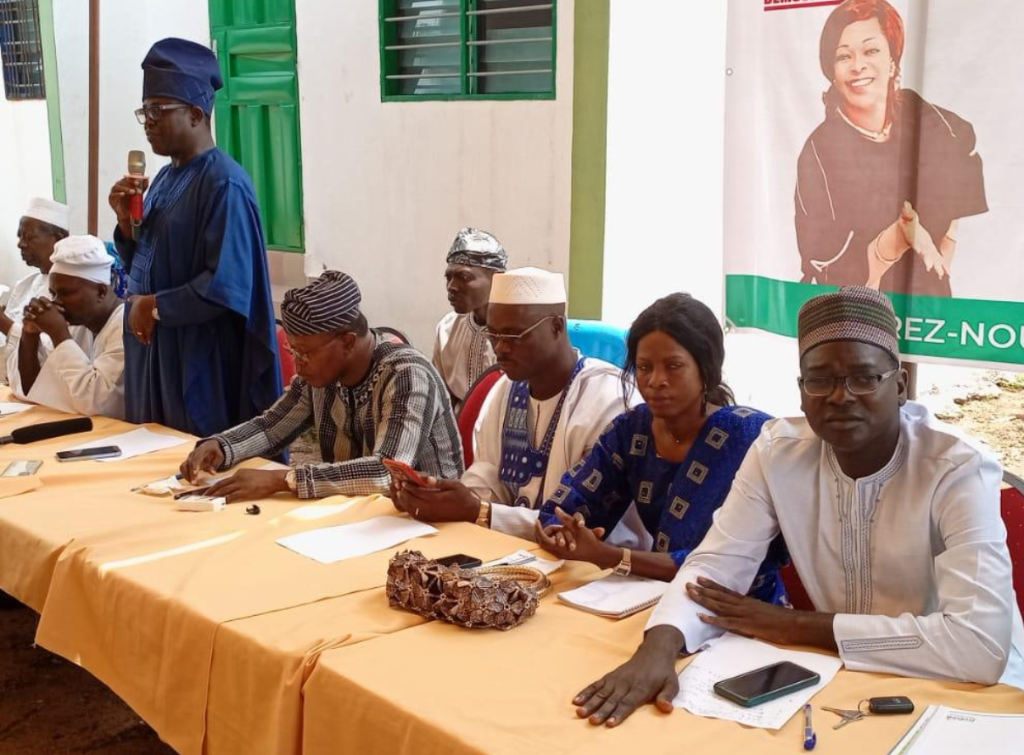
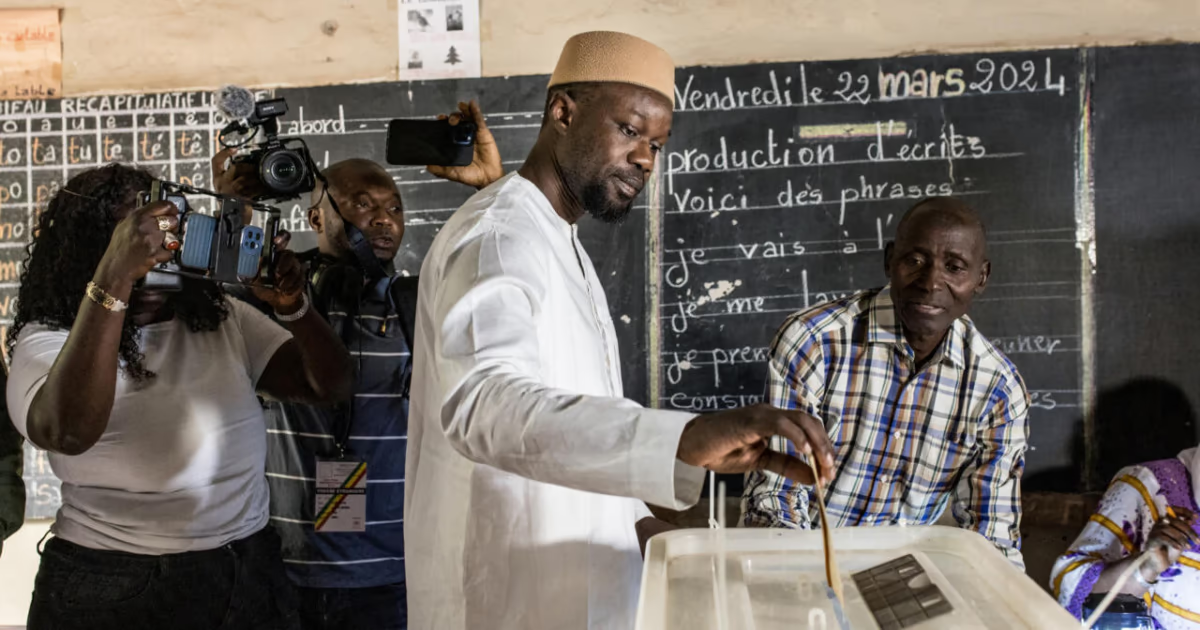
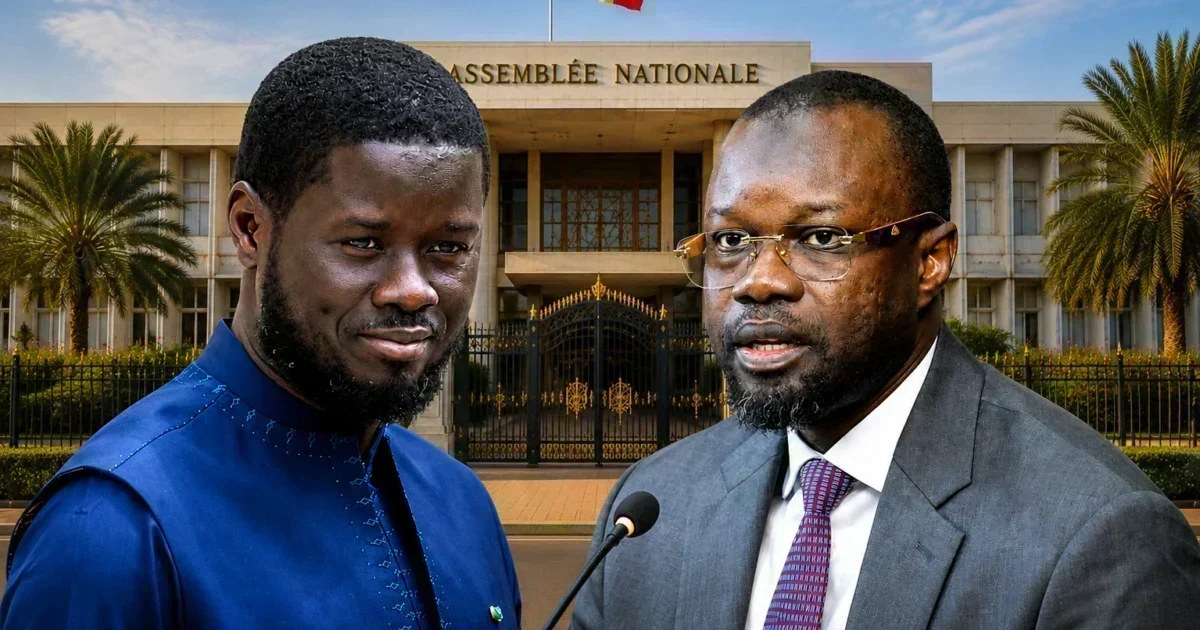
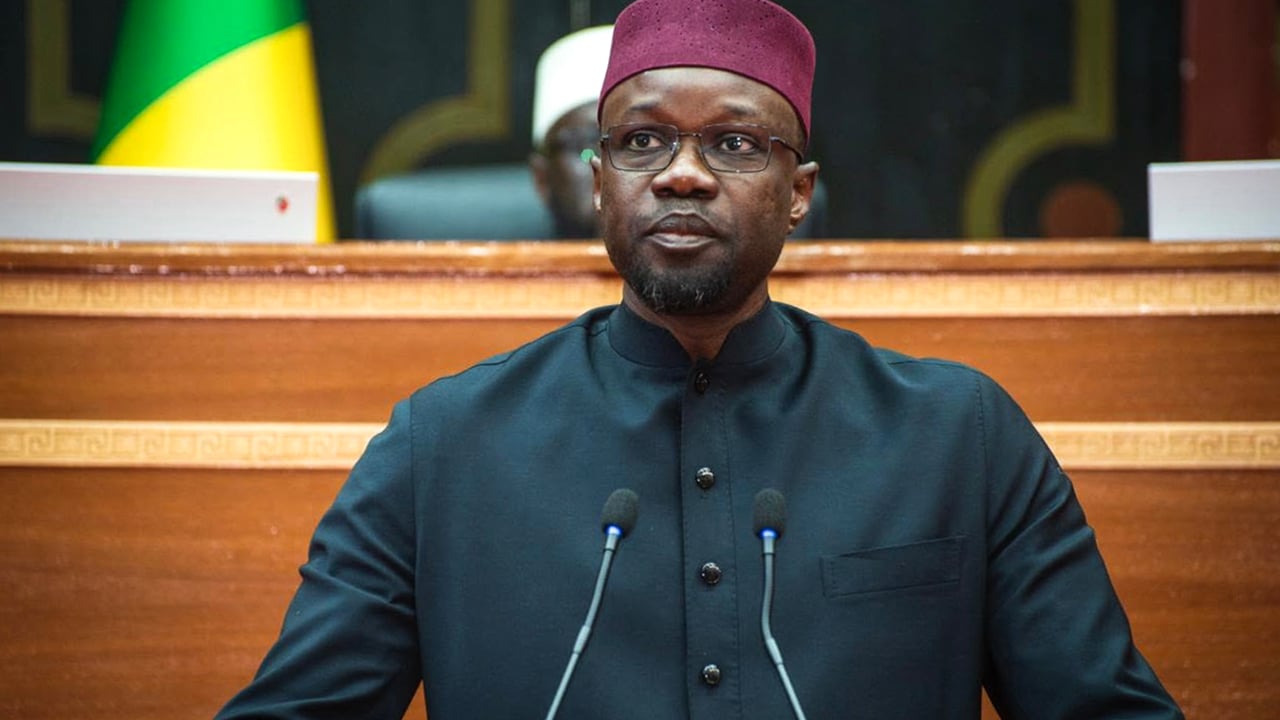
The Front for the Defense of Democracy and the Republic (FDR), a coalition of opposition parties in Senegal, has formally demanded the removal of Prime Minister Ousmane Sonko from the National Assembly. This unprecedented move, announced in Dakar, directly challenges Sonko’s dual role as head of government and leader of the Pastef party, intensifying an already volatile political climate in the country.
Parliamentary maneuvering against the government leader
The FDR, which brings together several factions opposed to the post-2024 political shift, bases its argument on institutional legitimacy. Coalition leaders argue that Sonko’s continued presence in the Assembly raises constitutional concerns, as he simultaneously holds executive authority and a dominant role in the ruling majority. They contend this arrangement undermines the constitutional separation of powers between the executive and legislative branches.
Beyond legal technicalities, this political offensive aims to neutralize Sonko’s influence. By stripping him of his parliamentary seat, the opposition hopes to weaken his ability to shape legislative debates. The FDR’s strategy reflects a broader effort to regain momentum in an Assembly where the presidential majority remains firmly in control following the November 2024 snap elections that solidified Pastef’s dominance.
A deeply polarized Senegalese political landscape
The opposition’s demand emerges against a backdrop of escalating tensions. Since President Bassirou Diomaye Faye took office and Sonko was appointed prime minister, relations between the new administration and former ruling elites—particularly those aligned with the disbanded Benno Bokk Yaakaar coalition—have steadily deteriorated. Parliamentary sessions have repeatedly descended into verbal clashes, procedural disputes, and even temporary suspensions.
The debate over accountability for the previous administration’s policies has further fueled this confrontation. While the government frames its actions as necessary reforms backed by a clear electoral mandate, the opposition accuses it of weaponizing state institutions. Sonko, a polarizing yet pivotal figure in the current government, has become the focal point of these institutional struggles, symbolizing the broader contest over Senegal’s political direction.
Potential consequences for institutional stability
The outcome of this demand hinges on legal interpretations by the Assembly and, if necessary, the Constitutional Council. Given the government’s comfortable majority, any unfavorable ruling would likely be blocked. Still, the episode could spark a national discussion on the ethics of holding simultaneous governmental and parliamentary positions in Senegal.
For Senegal’s economic and diplomatic partners, these internal divisions are a growing concern. As the country ramps up gas and oil production and navigates fiscal negotiations, political stability is critical. Prolonged tensions between the executive and opposition risk undermining investor confidence and donor relations, potentially complicating the government’s ambitious economic agenda.
The FDR’s initiative underscores that the struggle between Pastef and its adversaries will unfold across multiple fronts—parliamentary, judicial, and media— in the coming months. With Sonko now the target of a removal effort, the prime minister must navigate a determined opposition seeking to exploit every possible avenue to challenge his leadership.