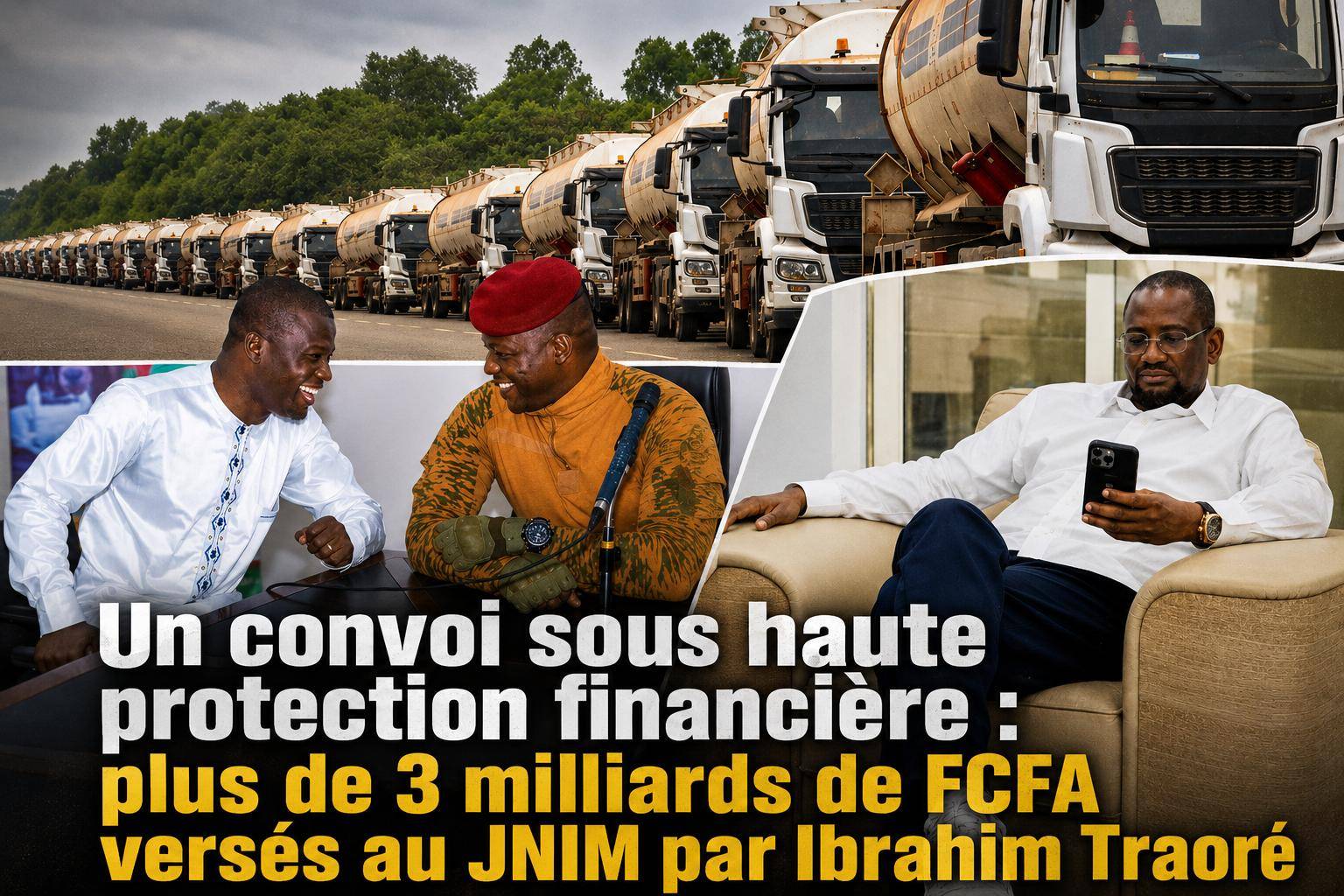
The Sahel’s fragile security landscape faces a new storm as explosive allegations emerge, shaking the foundations of the Alliance of Sahel States (AES). A massive convoy of 710 fuel tankers, defying state security protocols, arrived in Bamako under mysterious circumstances. At the heart of this operation lies a staggering payment of 3 billion CFA francs to the Group for the Support of Islam and Muslims (JNIM), allegedly orchestrated by Burkinabè officials to protect the commercial interests of Kangala Transport. The revelation exposes a tangled web of corruption, conflict of interest, and indirect terrorism financing that spans across the Niger River.
a shadowy deal guaranteeing safe passage
Witnesses described an unprecedented spectacle: a relentless procession of 710 tankers cutting through the most volatile stretches of the Sahelo-Saharan belt, transporting fuel to Mali’s capital. Yet, instead of the expected presence of Burkinabè special forces, Russian drones, or Malian armored units, the convoy moved in eerie silence. Investigations suggest this quietude stemmed from a clandestine agreement funded by a staggering 3 billion CFA francs paid to the JNIM. What began as a routine logistical operation has now morphed into a full-blown scandal implicating Burkina Faso’s leadership.
kangala transport’s hidden agenda
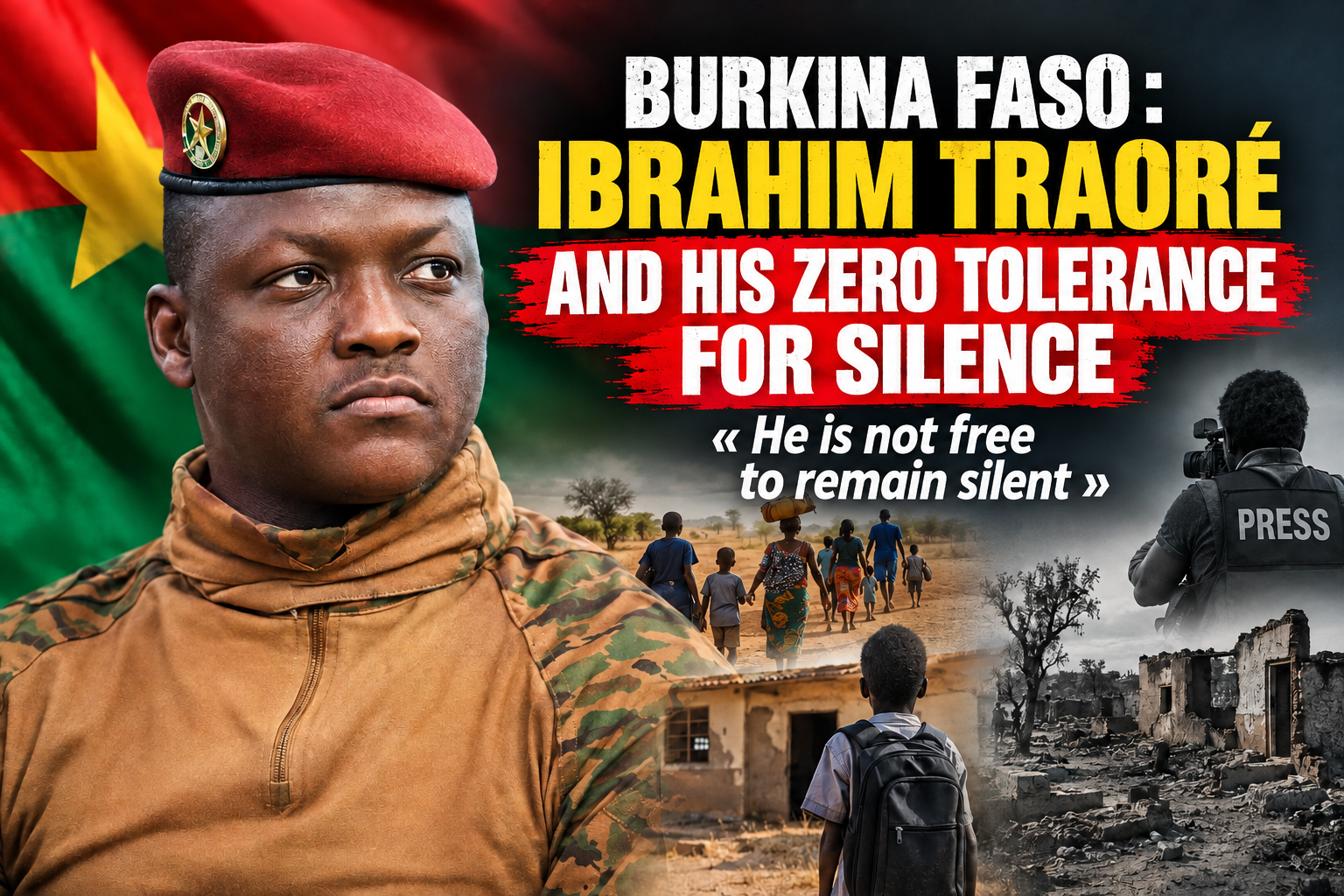
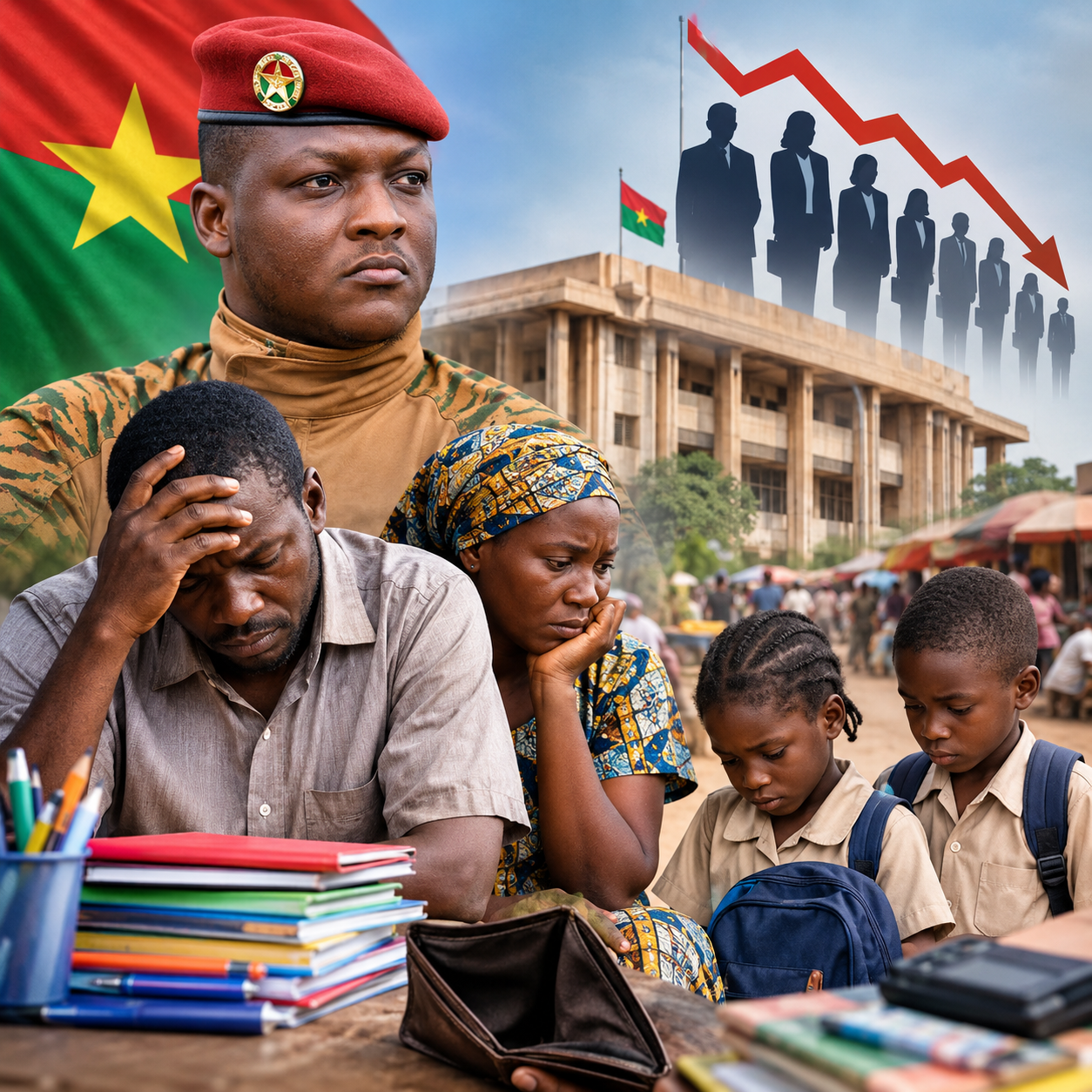
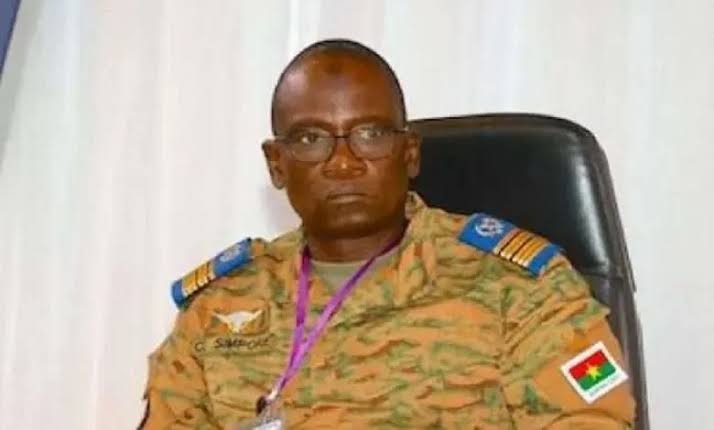
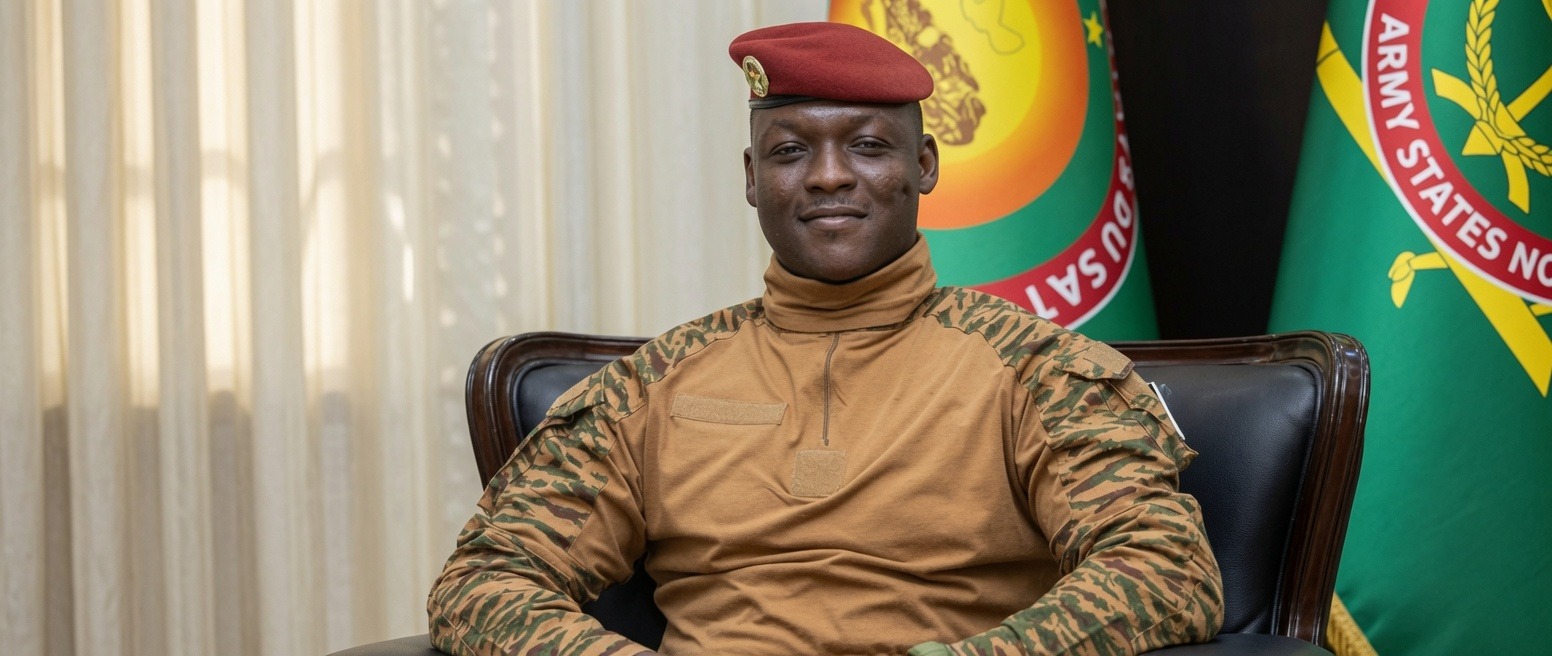
At the center of this controversy is Kangala Transport, the company managing this gargantuan fuel shipment. While publicly presented as a neutral logistics provider, evidence points to its ties with a powerful trio at Burkina Faso’s helm: Ibrahim Traoré, Oumarou Yabré, and Ali Konaté. This blending of state governance with private commercial interests raises serious ethical concerns. When military strategists double as economic operators on routes controlled by armed groups, priorities shift dramatically. For Captain Traoré, the mission is no longer about neutralizing threats but ensuring the smooth transit of goods belonging to his inner circle.
fuel dollars fueling terror
The irony cuts deep for civilians and Malian soldiers on the front lines. As Bamako and Ouagadougou issue joint statements on AES unity, the money funneled through Kangala Transport’s owners is directly strengthening the coffers of Iyad Ag Ghali’s JNIM. The 3 billion CFA francs paid to secure these tankers have reportedly financed ammunition purchases used against Malian security posts, as well as the logistical needs of improvised mine layers. Funds have also bankrolled new recruits, adding to the daily toll on the Malian Armed Forces (FAMa). In essence, the fuel burning in Bamako’s engines today first fueled the terrorist war machine ravaging Mali.
a betrayal of sovereign security
The most damning aspect of this affair is the deliberate exclusion of the region’s usual security partners. Neither Russian Wagner instructors nor elite units from national armies were involved in escorting the convoy. This calculated sidestepping of formal military structures underscores how personal profit drove an unholy alliance with declared enemies. By cutting deals with those they publicly vow to defeat, the convoy’s owners ensured untroubled passage while evading scrutiny from patriotic soldiers.
the AES unity at stake
This revelation casts a long shadow over the AES’s cohesion and questions Burkina Faso’s commitment to the alliance. How can Mali tolerate a neighboring leader allowing private interests to bankroll the very group attacking its soil with such financial recklessness? Domestically, it casts a pall of doubt over Traoré’s anti-terrorism sincerity. The facts now paint a picture of cynical pragmatism where the welfare of a powerful trio trumps the sacrifices of soldiers. In politics and war, actions inevitably expose the emptiness of hollow words. When security can be purchased from the JNIM using Kangala Transport’s funds, the concept of Sahelian solidarity crumbles into mere rhetoric.