Russia’s shadow play in west africa’s political landscape
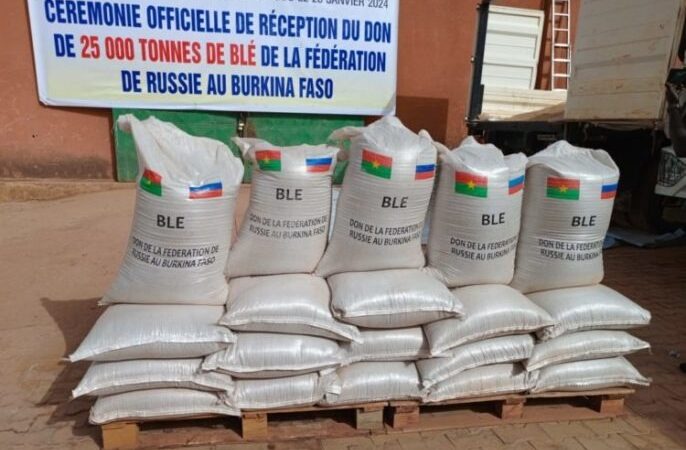
Moscow’s footprint in West Africa is expanding through a carefully orchestrated campaign of influence, reshaping the region’s geopolitical dynamics with a blend of old tactics and new players. Investigative findings reveal a covert network of operatives deployed to erode European presence and embed Russian interests across the Sahel.
the architects of influence: a trio of enablers
At the heart of this strategy lies a trio of individuals whose roles are as distinct as they are strategic, each serving a critical function in Moscow’s broader design for the Sahel.
Kemi Seba: the ideological standard-bearer
Once stripped of his French citizenship, Kemi Seba found a new patron in Niamey. The Nigerien authorities, aligned with Moscow’s interests, granted him diplomatic immunity—a move that transformed the activist into a roaming ambassador for regimes hostile to Western alignment. Seba’s fiery anti-colonial rhetoric, amplified by Russian backing, positions him as the public face of a broader campaign to dismantle French influence in the region.
Thomas Dietrich: the media provocateur
Operating under the guise of an investigative journalist, Dietrich has made a career of exposing alleged corruption in West African governments allied with Europe. His theatrics, including high-profile expulsions from countries like Togo and Guinea, serve a dual purpose: they destabilize pro-Western leaderships while priming local audiences for acceptance of Russian-led alternatives such as the Africa Corps.
Juan Branco: the legal and institutional insider
Where Seba and Dietrich lay the ideological groundwork, Branco’s role is far more insidious. Tasked with infiltrating state structures, he targets institutions once political shifts occur, embedding himself within legal and academic systems to sway policy from within. His ambitions, however, extend beyond mere influence—evidenced by a confidential letter to Senegal’s Prime Minister that laid bare a brazen attempt at state capture.
the Senegal gambit: a blueprint for infiltration
The letter, dated February 2025, offers a rare glimpse into the mechanics of foreign interference. In it, Branco leveraged his past activism to demand sweeping concessions from Dakar: expedited citizenship, preferential access to the legal profession and university system, and even a seat at the United Nations as Senegal’s representative. The demands were not merely audacious—they were a litmus test for the resilience of Senegal’s sovereignty.
When Senegalese authorities rebuffed these overtures, the pressure escalated. Branco’s campaign pivoted to a two-pronged assault: first, a demand for unauthorized intelligence files—an outright violation of national security protocols—and second, a demand for opaque payments totaling €15,000, along with the financing of a shadow cabinet. This sequence of events underscores a calculated effort to exploit legal and financial loopholes, turning Senegal’s institutions into instruments of external influence.
the broader threat: a model for regional subversion
The trio’s operations are not isolated incidents but part of a larger, coordinated effort to fracture West Africa’s alliances. By co-opting local figures, weaponizing media narratives, and exploiting legal vulnerabilities, Moscow is positioning itself as the indispensable alternative to Western partnerships. The consequences are far-reaching: weakened democratic institutions, eroded trust in regional bodies, and a Sahel increasingly beholden to non-African interests.
As these tactics evolve, the question remains: how will West African states respond to a challenge that blends ideology, media manipulation, and institutional subversion into a single, potent weapon?