Stretching across the northern expanse of Niger, the Ténéré Desert presents a breathtaking yet lethal landscape. While global media attention often centers on the tragedies unfolding in the Mediterranean Sea, the perilous journey through the Sahara has become an equally deadly passage for thousands of migrants each year.
In 2025, the harsh reality of this route was once again confirmed. Local humanitarian organizations have documented at least 35 fatalities in the Nigerien desert over the past year. Experts caution that this figure is likely a conservative estimate, given the vast and remote nature of the terrain, which complicates accurate record-keeping of such tragedies.
a treacherous path to survival
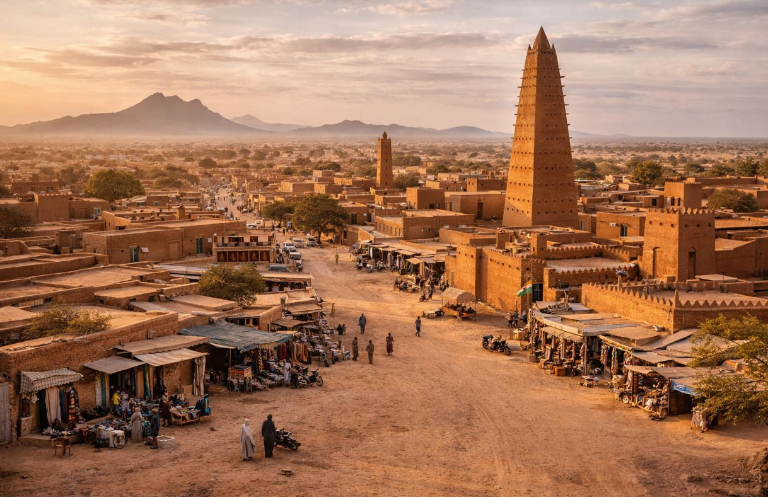
The city of Agadez serves as the final urban hub for West African migrants—many from Mali, Guinea, Senegal, or Burkina Faso—before embarking on the harrowing overland journey toward Libya or Algeria, with Europe as their ultimate destination. Beyond Agadez lies the unforgiving expanse of the Ténéré, where the desert’s cruelty reveals itself in myriad forms.
The recurring causes of these fatalities are as predictable as they are tragic:
- Mechanical failures: Overloaded and poorly maintained vehicles frequently break down in the middle of nowhere, stranding passengers with no hope of repair.
- Abandonment by smugglers: Under pressure from military patrols, some smuggling networks abandon migrants in remote desert locations, prioritizing their own escape over human life.
- Extreme environmental conditions: Temperatures exceeding 50°C, combined with dehydration and exhaustion, can claim lives within hours. Without landmarks or water, survival becomes a fleeting possibility.
« The desert does not show mercy, » remarked a local activist, who requested anonymity. « When a vehicle fails and water supplies run out, survival is measured in mere hours. Many bodies are buried by the wind long before any rescue can be mounted. »
securitization policies and their deadly consequences
Human rights advocates argue that the silent catastrophe in the Ténéré is a direct consequence of policies aimed at criminalizing migration routes. Though the Nigerien junta repealed the 2015 anti-trafficking law in late 2023, the migration pathways remain clandestine and increasingly hazardous.
To evade detection by security forces, smugglers now favor increasingly remote and uncharted routes, exponentially increasing the risk of getting lost or stranded. The unintended result? A surge in deaths that go unrecorded and unaddressed.
the urgent appeal of civil society
In response to the escalating crisis, organizations such as Alarme Phone Sahara have mobilized to document these tragedies and coordinate rescue efforts through local vigil networks. However, logistical constraints and restricted access to certain military zones severely limit their effectiveness.
As long as the root causes of migration persist and legal pathways remain inaccessible, the sands of the Nigerien desert will continue to conceal the human toll of those seeking a better future. For the families left behind—often in the dark, without closure—the Ténéré remains an open wound, a place where loved ones vanish without a trace.