Niger’s new penal code targets LGBTQIA+ rights with harsh penalties
The Republic of Niger has enacted a sweeping legal shift, introducing stringent measures against same-sex relationships and LGBTQIA+ activism. The revised Criminal Code, quietly ratified in February by the military-led government, establishes unprecedented penalties, including prolonged imprisonment and substantial fines.
What the updated legislation entails
The newly published legal framework does more than criminalize homosexual acts—it broadens the scope of punishable offenses under a series of sweeping provisions:
- Core penalties: Individuals found guilty of committing or attempting to commit “indecent or unnatural acts” face sentences ranging from five to ten years behind bars.
- Aggravated circumstances: In specific cases, penalties can escalate to 20 years of imprisonment, depending on the severity and nature of the offense.
- Exorbitant fines: Financial sanctions accompany prison terms, with fines reaching up to 500 million West African CFA francs (approximately €750,000), imposed without the possibility of leniency or suspended sentences.
- Crackdown on activism: The law targets not only those involved in same-sex relationships but also anyone associated with organizing, funding, or participating in LGBTQIA+ groups or events. Officiating or even witnessing same-sex marriages incurs identical penalties.
Government justification: sovereignty and cultural identity
Proponents of the reform, led by the administration of General Abdourahamane Tiani, frame the legislation as a defense of national values against Western influence. Justice Minister Alio Daouda emphasized the alignment of the legal framework with societal norms, stating:
Our objective is to harmonize our laws with the cultural and moral fabric of Niger.
This stance reflects a broader political strategy prioritizing anti-Western rhetoric and resistance to perceived foreign interference. Earlier in 2024, the government had already removed comprehensive sexuality education modules from school curricula and banned applications promoting reproductive health awareness, citing their incompatibility with the country’s conservative, predominantly Muslim traditions.
A regional trend toward repression
The Nigerien case mirrors a growing wave of legislative crackdowns across West Africa, driven by political transitions and religious pressures:
- Niger (February 2026): Transitioning from a legal gray area, the country now enforces one of the harshest penalties in the region, with a maximum of 20 years in prison for aggravated offenses and record fines.
- Senegal (May 2026): The country doubled the prison sentences for “unnatural acts,” raising the maximum penalty to 10 years.
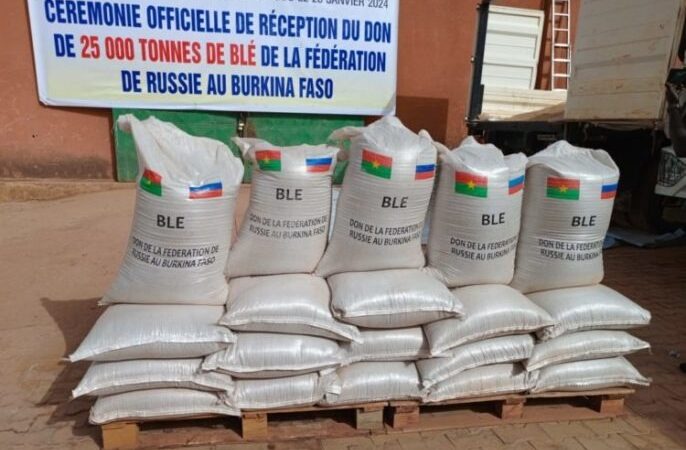
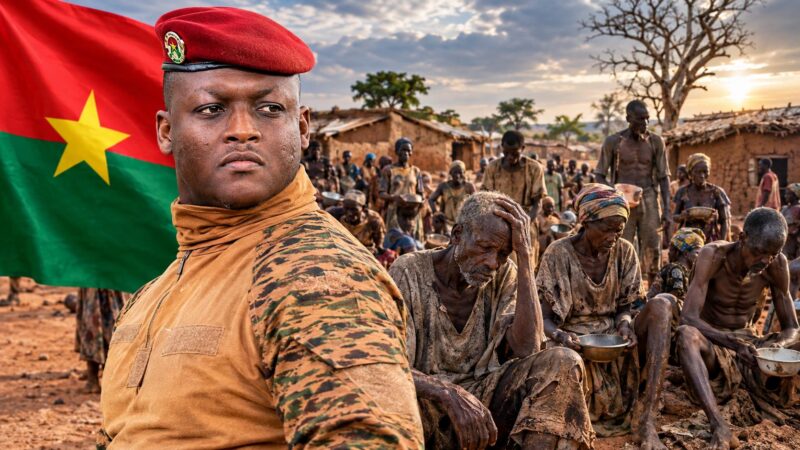
- Burkina Faso (2025): Like its neighbor Niger, Burkina Faso formalized the criminalization of homosexuality last year, setting the maximum penalty at five years imprisonment.
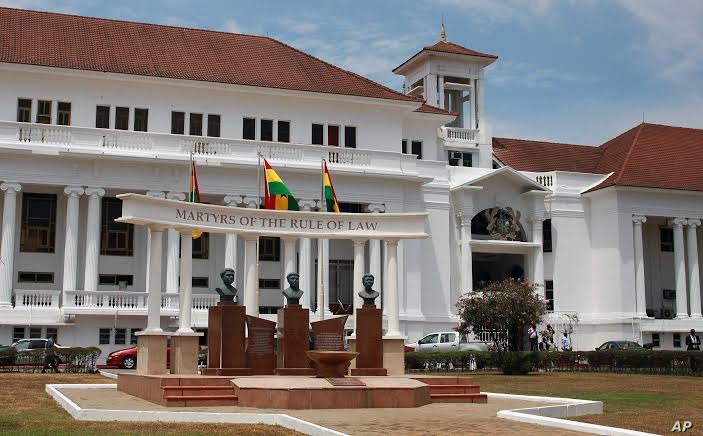
- Ghana (2024–2026): Following prolonged legal battles over its anti-LGBTQ+ bill, Ghana now imposes sentences of three to five years for such acts and their promotion.
Human rights groups raise the alarm
The enforcement of the new code has triggered widespread concern among international and local human rights organizations. Critics warn that the legislation further marginalizes an already vulnerable minority, exposing them to heightened risks of violence, false accusations, and extortion.
Humanitarian organizations operating in the region express deep apprehension that these legal restrictions will undermine access to critical health services, particularly in HIV prevention and treatment. With over 30 African nations now criminalizing same-sex relations, Niger’s move solidifies its alignment with some of the most repressive legal regimes on the continent.