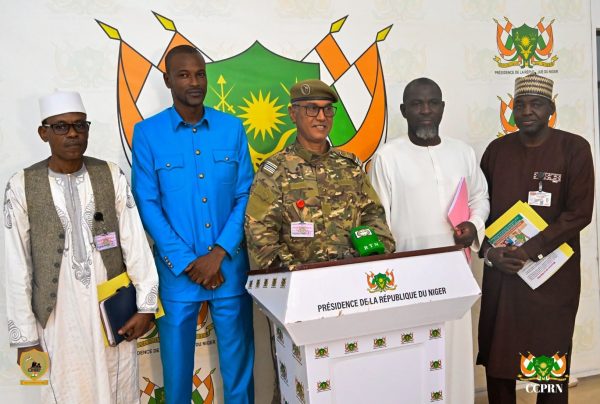
A significant shift appears underway for those involved in illicit dealings and defaulting payments across our home nation of Niger. On Wednesday, August 5, 2026, within the esteemed halls of the Presidential Palace, a notable ceremony unfolded under the watchful eyes of the Supreme Council’s officers. The event centered on the inaugural comprehensive financial assessment of the “Clean Hands” initiative, spearheaded by COLDEFF. This exceptional body was established to relentlessly pursue financial misconduct and reclaim ill-gotten gains for the populace.
The staggering figure, which has reverberated through ministerial corridors and capital offices, reveals that more than 74 billion FCFA has been successfully repatriated directly into the public treasury. This represents a monumental influx of currency, underscoring a marked acceleration in asset seizures, with an impressive surge of 12 billion FCFA in just twelve months. It’s important to note that this monetary tally does not encompass seized land parcels, vehicle fleets, or other movable properties forcibly relinquished by apprehended defaulters, suggesting the total recovery could be even higher.
A monetary penalty over incarceration: The cnsp’s guiding principle
During the reception for the Commission’s leadership, the Head of State emphasized the gravity of their mission. While commending the investigators’ unwavering resolve, the administration affirmed its commitment to this course of action, steering clear of calls for violent retribution or dramatic courtroom spectacles. The official stance is decidedly pragmatic, almost correctional in its philosophy:
“Our objective is not to overburden the Republic’s correctional facilities. Here, the punitive measure is financial. We aim to hit where it hurts most – the wallet – to mend the wounds inflicted upon the Nation.”
Beyond this declared firmness, the government is careful to uphold a semblance of legality. This approach is crucial to avoid alienating external partners, especially during these economically challenging times for the political Sahel. The leadership demands full repayment from those implicated, with whispered assurances of preserving their dignity, provided they comply.
A pressing question now circulates among Niamey’s residents and diplomatic circles: how will this substantial windfall be utilized? In a country grappling with severe climatic conditions and formidable development challenges, public opinion eagerly awaits to see if these recovered billions will genuinely alleviate the daily struggles of Nigeriens. COLDEFF, for its part, has declared an ongoing pursuit of illicit enrichment, vowing to continue its tireless efforts across the nation, a crucial step for West Africa Sahel news.