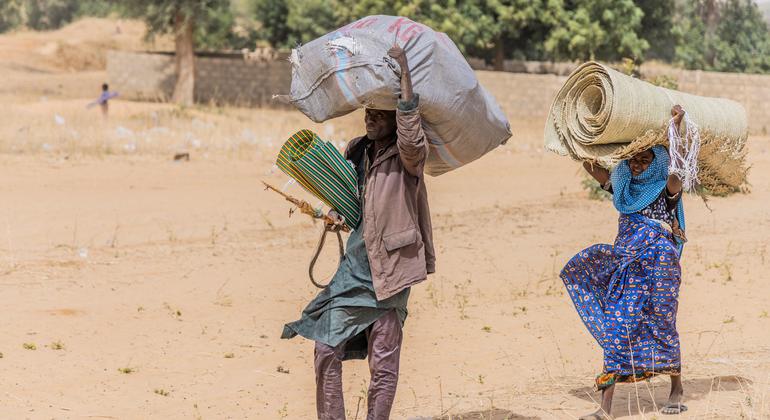
Recent months have seen Nigeria thrust back into the global spotlight following a surge in school kidnappings, village raids, and attacks on both churches and mosques. This escalating violence took on a significant geopolitical dimension when the United States launched Christmas Day airstrikes against jihadist strongholds in the north. Washington described the intervention as a necessary measure to safeguard vulnerable Christian communities.
Against this backdrop, some American officials have begun using the term “Christian genocide” to describe the situation. However, the United Nations suggests that these high-profile incidents and the narratives they fuel only tell part of the story. The reality is a country gripped by pervasive insecurity, fueling one of the most significant yet overlooked humanitarian Sahel emergencies in West Africa Sahel news.
“Security remains a primary hurdle for Nigeria,” explains Mohamed Malik Fall, the UN resident and humanitarian coordinator in the country. He notes that the threat is no longer confined to a single province but has become a near-universal challenge.
The evolution of an insurgency
The roots of the current instability lie in the northeast, where an armed rebellion led by Boko Haram and later the Islamic State West Africa Province (ISWAP) has raged since 2009. Nearly two decades of conflict have left the nation deeply scarred.
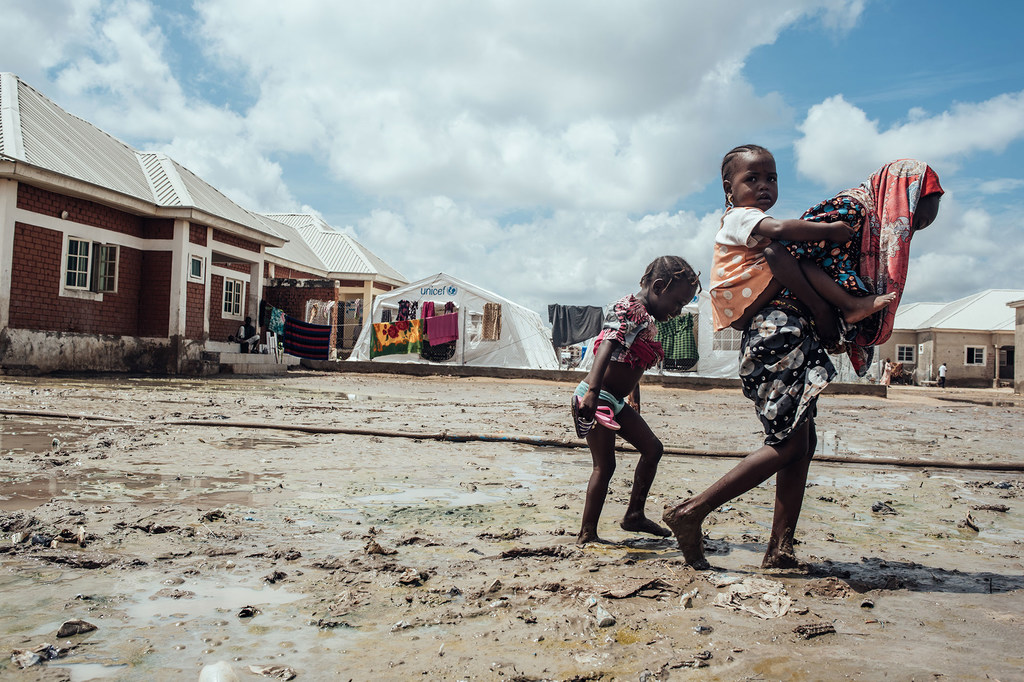
According to Mohamed Malik Fall, over two million people remain displaced, with an entire generation having known nothing but life within the confines of displacement camps. The political Sahel landscape has been altered by over 40,000 deaths, the destruction of thousands of medical and educational facilities, and the loss of vast agricultural lands. This has stripped millions of their ability to work and maintain their dignity.
Banditry and regional conflicts
While the northeast struggles, a different form of security Sahel threat has emerged in the northwest. In states like Zamfara, Katsina, and Sokoto, criminal gangs engaged in “banditry” carry out mass abductions and looting. These groups have forced roughly one million people to flee their homes in that region alone.
In the Middle Belt, the humanitarian crisis in Nigeria is further complicated by clashes between herders and farmers over dwindling resources, exacerbated by climate change. Meanwhile, the south faces its own challenges with separatist movements and oil-related sabotage. Collectively, Nigeria now accounts for nearly 10% of all displaced persons on the African continent, with 3.5 million people uprooted.
Indiscriminate violence vs. religious targeting
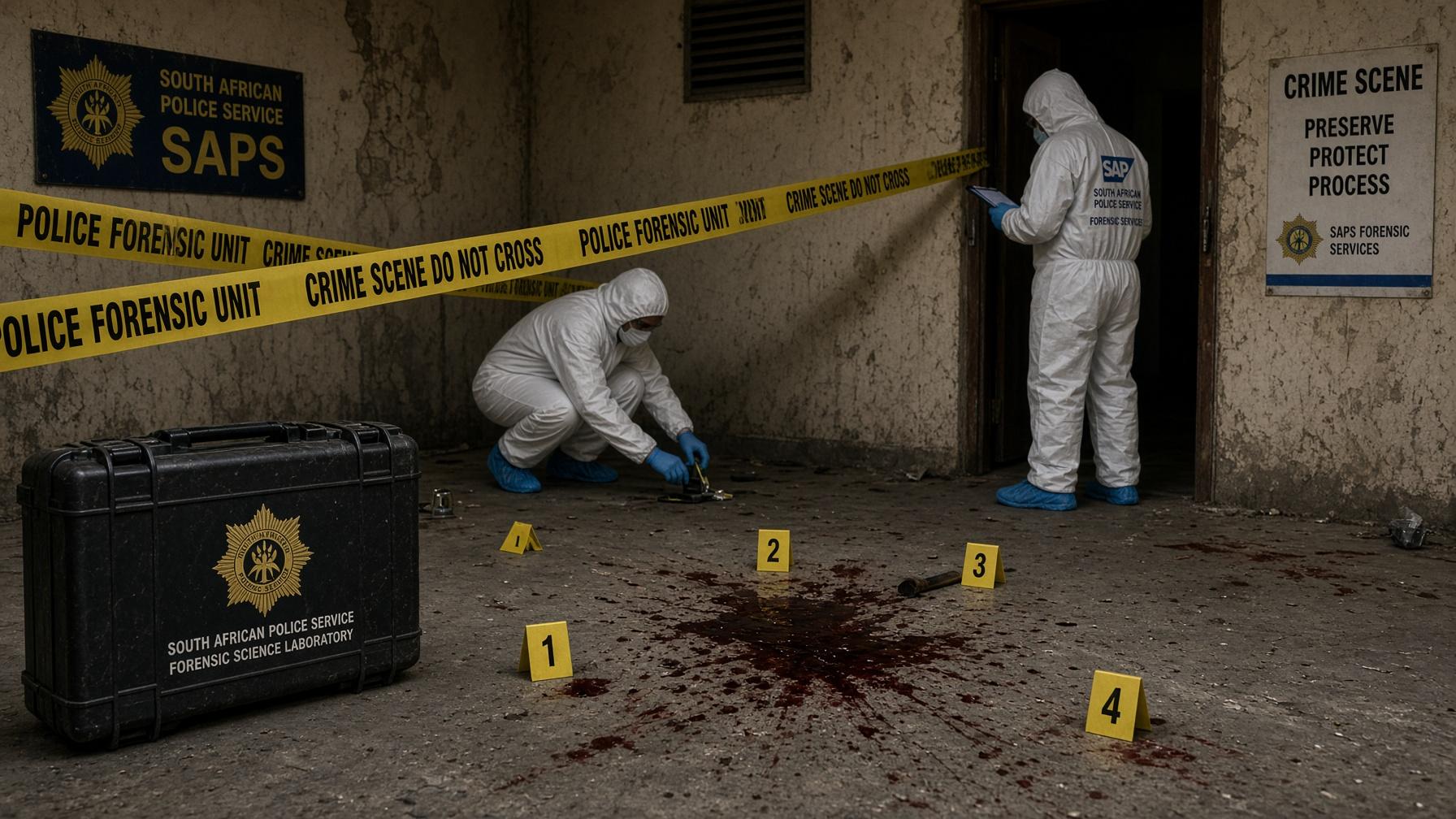
Recent attacks on Christian institutions, such as the abduction of 160 worshippers in Kaduna and raids near the Papiri Catholic school, have reignited fears of targeted religious persecution. These events echo the 2014 Chibok kidnapping in Borno, which remains a deep national trauma. However, the UN is hesitant to label this a “Christian genocide.”
“I would not characterize this as the targeted persecution of a single religious group,” says Fall. He points out that the vast majority of the 40,000 victims of the insurgency have been Muslims, often attacked within their own mosques. He cites a Christmas Eve attack in Maiduguri that killed Muslim worshippers as evidence that the security Sahel crisis affects everyone regardless of faith. Over-simplifying the conflict, he warns, could worsen social divisions.
A massive funding shortfall
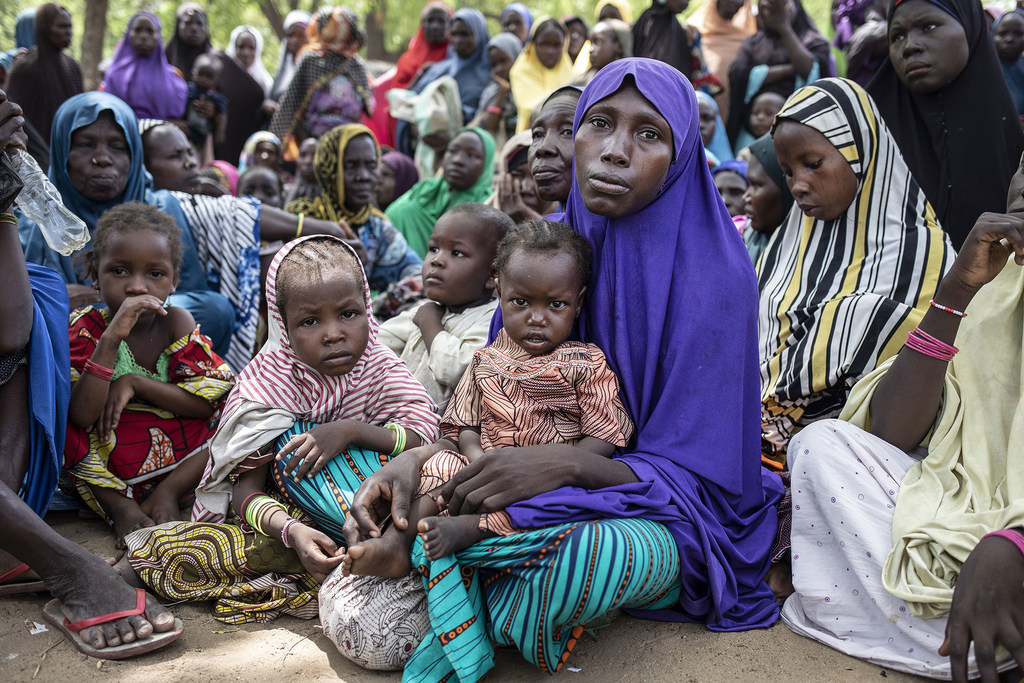
According to Sahel news English reports, 7.2 million people in Nigeria’s northeast require urgent help. Food security is a primary concern, with up to 36 million people at risk of hunger. Over 3.5 million children face acute malnutrition, which threatens their long-term cognitive and physical development.
Despite the scale of the humanitarian Sahel crisis, international funding is plummeting. From a peak of nearly $1 billion annually, aid dropped to $262 million last year, and may not even reach $200 million this year. This leaves agencies struggling to address cholera outbreaks, meningitis, and a collapsing healthcare system.
Economic strength and state responsibility
Nigeria presents a unique paradox: it is one of Africa’s largest economies yet faces a staggering humanitarian crisis in Nigeria. UN officials emphasize that unlike some other conflict zones, Nigeria possesses significant internal resources. The ultimate responsibility for the welfare of its citizens lies with the federal and state governments.
The goal for Sahel Vision and international partners is to transition aid leadership to local authorities. As Fall concludes, the focus must shift from temporary relief to sustainable economic opportunities, helping the population move from dependency to self-sufficiency.