Niger-Bénin border: political leverage overshadows regional stability
Diplomatic negotiations stall as sovereignty rhetoric takes precedence
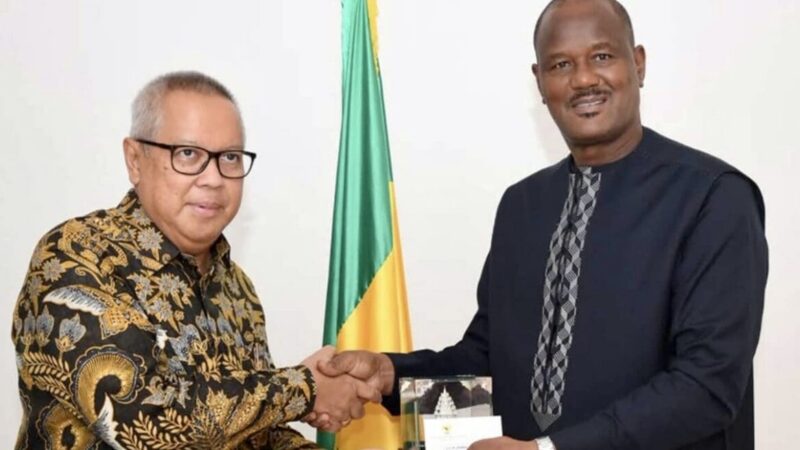
Nearly two months after the official visit of Beninese Minister Romuald Wadagni to Niamey, and following weeks of technical discussions between experts from both nations, expectations for a swift resolution to the Niger-Benin border crisis had begun to rise. The preliminary talks had fostered cautious optimism, suggesting a gradual resumption of cross-border exchanges might be imminent.
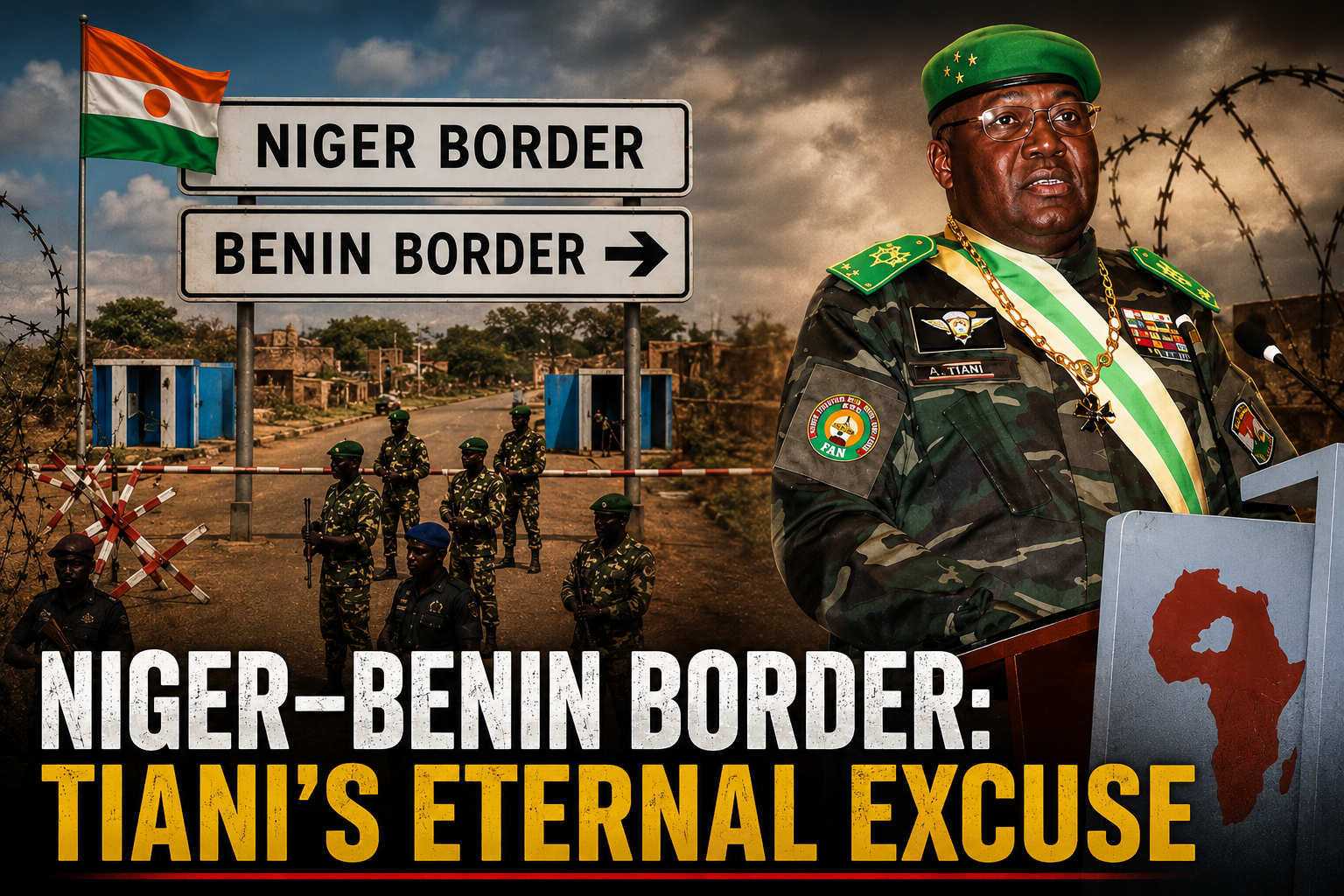
Yet, on July 26—the first anniversary of General Abdourahamane Tiani’s ascension to power—the trajectory shifted abruptly. During a televised address on national broadcaster ORTN, the Nigerien leader dismissed any immediate prospects for reopening the frontier. His statement was unequivocal: ‘Certain prerequisites must first be addressed before any irreversible decision regarding border reopening can be made.’
A deliberate ambiguity serving political ends
The lack of concrete detail surrounding these so-called ‘prerequisites’ is not an oversight but a calculated strategy. By failing to define criteria or establish a clear timeline, Niamey retains unchallenged discretion over the border’s status, transforming it into a perpetual bargaining chip rather than a logistical necessity.
This deliberate ambiguity ensures that the reopening remains indefinitely postponed. Each unresolved issue can be replaced by another, perpetuating the stalemate without accountability. The resulting uncertainty serves a dual purpose: it reinforces the government’s sovereign narrative while deflecting scrutiny from the absence of measurable progress.
Security claims lose credibility amid persistent instability
Since the July 2023 coup, Nigerien authorities have repeatedly cited security concerns to justify the border closure. The official narrative suggests that Benin’s territory may be exploited by armed groups or foreign entities to destabilize Niger. Yet, no verifiable evidence has been presented to substantiate these allegations.
Meanwhile, attacks by militant factions continue unabated in regions such as Tillabéri, Tahoua, and Diffa, undermining the premise that isolation equates to enhanced security. If border closure were an effective counterterrorism measure, why do internal threats persist at an alarming rate? The contradiction exposes a fundamental flaw in the regime’s reasoning.
Economic fallout: isolated borders inflict collateral damage
The closure has exacted a heavy toll on both nations, though the impact on landlocked Niger is particularly severe. Historically dependent on regional transit corridors, Niger now faces inflated logistics costs as goods must traverse longer, costlier routes through neighboring countries.
Consumers bear the brunt of these disruptions:
- Surge in food prices due to supply chain delays;
- Escalation in construction material costs, stalling infrastructure projects;
- Increased prices for essential medicines, exacerbating public health challenges;
- Supply shortages for small-scale traders, crippling local businesses;
- Reduced competitiveness for Nigerien enterprises in regional markets.
Border communities, once thriving hubs of commerce, now struggle with declining incomes and economic stagnation. The prolonged closure has not only eroded livelihoods but also deepened social fractures along the frontier.
Regional cooperation fractures under political pressure
The impasse extends beyond economics, straining broader collaborations. Academic exchanges, cross-border development initiatives, and joint anti-trafficking efforts have all suffered. Paradoxically, the shutdown of formal trade channels has inadvertently fueled illicit networks, complicating state oversight and regional security efforts.
The notion of ‘irreversible’ sovereignty, as framed by General Tiani, appears increasingly disconnected from practical realities. If sovereignty were measured by a state’s ability to shield its citizens from economic hardship and external threats, the current approach falls critically short.
A humanitarian crisis obscured by political posturing
The human cost of this standoff remains largely unaddressed. Families separated by the closed frontier, students barred from educational opportunities, and entrepreneurs grappling with financial ruin represent the unseen victims of this impasse. Each passing week deepens their suffering, while the promise of a resolution recedes further into the distance.
Three years into this crisis, the Niger-Benin border is no longer a security issue but a political lever. By invoking undefined conditions, Niamey maintains absolute control over the timeline, prolonging the stalemate without justification. Until national interests outweigh political calculations, the populations of both nations will continue to pay the price for a decision devoid of tangible benefits.