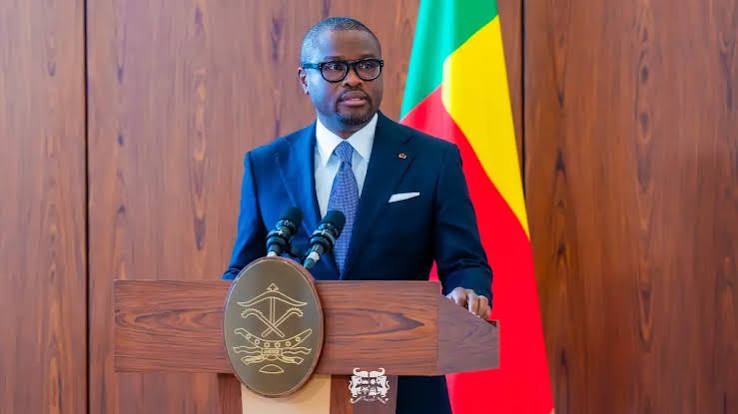
Morocco champions humanitarian action at African Union peace and security council
The Kingdom of Morocco, serving as the African Union’s Champion on migration, has underscored its commitment to placing humanitarian action at the forefront of its foreign policy and African cooperation efforts. The country continues to spare no effort in mitigating humanitarian crises across the continent.
Par Maroc Hebdo
Publié le 2 Juin 2026 à 12:12. | 4 min de lecture

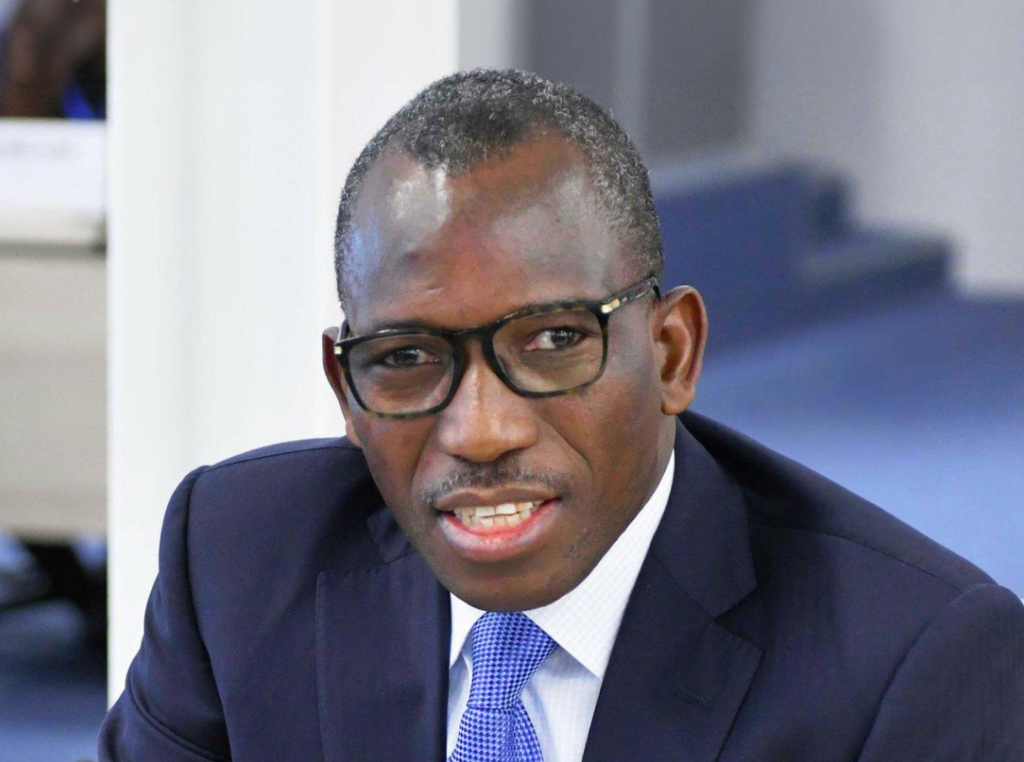
Mohamed Arrouchi, Morocco’s Permanent Representative to the African Union
This strong statement was delivered by Morocco’s Permanent Representative to the African Union and the United Nations Economic Commission for Africa, Mohamed Arrouchi, during a public session of the AU Peace and Security Council on May 2, 2026. The session focused on refugees, internally displaced persons (IDPs), and humanitarian aid in Africa.
The diplomat emphasized that Morocco’s humanitarian efforts extend beyond emergency aid or mobile hospitals. Instead, they are rooted in a comprehensive strategy that prioritizes sustainable solutions to alleviate suffering. This approach combines co-development initiatives, expertise-sharing, and best practices to create lasting impact.
Addressing the growing humanitarian consequences of climate change and desertification, Mr. Arrouchi highlighted the increasing number of climate refugees across the continent. He stressed that Morocco’s humanitarian engagement includes combating these challenges through climate-resilient development programs and responsible governance.
“Our goal is to ensure that humanitarian aid reaches those in need without diversion or exploitation,” Mr. Arrouchi stated, emphasizing the importance of transparent and accountable delivery mechanisms.
He further reaffirmed that Morocco advocates for integrated, multidimensional responses to Africa’s humanitarian crises. These responses must combine emergency relief with conflict prevention, mediation, peacebuilding, and sustainable development to address the root causes of forced displacement.
The Ambassador also underscored the need to strengthen the resilience of communities affected by conflicts, natural disasters, and climate shocks. This involves building adaptive capacities to reduce vulnerability to future crises.
Highlighting the urgency of anticipating and responding to humanitarian challenges, Mr. Arrouchi called for enhanced African mechanisms for early warning, preparedness, and resilience tailored to the continent’s realities.
He further stressed the importance of robust transparency, accountability, and evaluation frameworks in humanitarian action. These measures aim to prevent diversion, manipulation, or exploitation of humanitarian resources and ensure aid reaches intended beneficiaries.
The diplomat also emphasized the need for improved data systems to track refugees and internally displaced persons. Credible, verified, and regularly updated data is essential for effective humanitarian responses and optimal resource allocation.
Describing Africa’s current humanitarian landscape as particularly alarming, Mr. Arrouchi pointed to unprecedented displacement caused by conflicts, climate-induced disasters, economic slowdowns, and rising food insecurity. He noted that the continent’s collective response has often fallen short due to national, regional, and continental constraints.
“The time has come to prioritize operational and pragmatic solutions,” he asserted. “We need sustainable approaches and proactive proposals to forge a new African humanitarian order.”
In concluding, he called for a shift toward preventive action to address increasingly frequent and complex shocks across the continent.

François Mvondo
Journalist