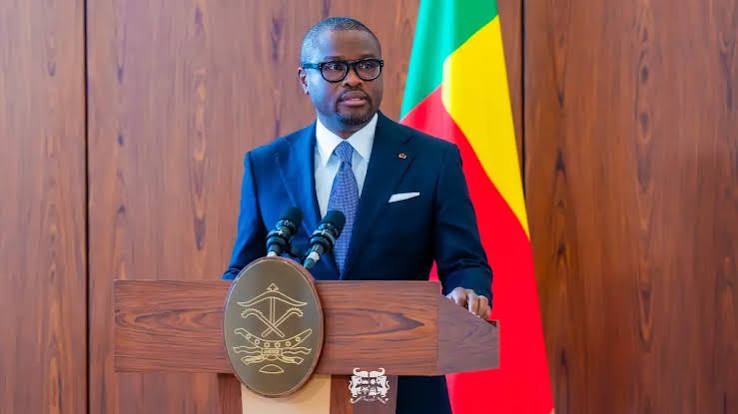
Since Captain Ibrahim Traoré assumed leadership in Burkina Faso, the nation has undergone profound changes marked by an intensified centralization of governance. While official discourse champions sovereignty and strategic reorganization, the socio-economic landscape tells a different story. Beneath the rhetoric of transformation, the Burkinabè people—particularly the commercial sector—face mounting hardship, ensnared in a tightening cycle of restrictions where consultation has given way to unilateral decrees.
Unilateral decisions crush a vital sector
In Burkina Faso, motorcycles are far from mere luxury goods; they form the backbone of urban and rural mobility and provide livelihoods for thousands of families. The most recent government measures, which drastically regulate the sale, pricing, and use of two-wheeled vehicles, have delivered a severe blow to an already struggling sector.
On the bustling markets of Ouagadougou and Bobo-Dioulasso, discontent simmers beneath the surface. Traders report that all avenues for negotiation have vanished:
« Previously, structured discussions allowed for compromise. Now, directives are handed down from above and must be followed without question. Dissent is swiftly labeled unpatriotic. »
— A prominent importer, speaking on condition of anonymity
Economic strangulation through centralized control
The advent of Captain Traoré’s administration has ushered in an era where decisions are made unilaterally, leaving economic actors in a state of chronic uncertainty. Businesses now grapple with two conflicting pressures: soaring import costs in a volatile global market and rigid state-imposed price ceilings that render operations unprofitable.
The immediate consequences are severe:
- Financial suffocation: Small-scale retailers, unable to meet mandated margins, face imminent collapse.
- Artificial shortages: To avoid losses, some importers have halted shipments, threatening to cripple supply.
- Legal insecurity: New circulation restrictions, ostensibly justified by security concerns, have paralyzed the transport of goods in multiple regions.
A silent crisis in the heart of Burkina Faso
The Burkinabè people, especially those in commerce, endure their struggles in silence. Under the strict oversight of a military-led transition, public dissent is stifled by the fear of reprisals. Yet, economic realities remain unyielding: prosperity cannot be decreed into existence.
By attempting to control every link in the supply chain—from importation to daily usage—the transitional authorities risk shattering the delicate economic balance that has sustained the nation. For motorcycle traders, the promise of economic sovereignty has morphed into suffocating dirigisme, leaving little room for hope or recovery.