How trained midwives in Mali are transforming young women’s lives
Bamako — Kadidia, 19, never imagined she would openly discuss contraception. « I was ashamed to even mention it. People in my neighborhood would talk, and I didn’t want to be judged, » she admits. Like many young women in Mali, Kadidia faces deep-rooted social and cultural barriers when seeking sexual and reproductive health services. These obstacles contribute to high maternal mortality rates, with 583 maternal deaths recorded in 2024—89 of them among girls aged 15 to 19. While progress has been made, the need remains urgent: Mali had nearly 4.8 million women of reproductive age in 2024, yet only 559,493 accessed modern contraception in 2024, compared to 480,682 the previous year.
The power of accessible reproductive health services
Guaranteeing access to tailored reproductive health services empowers young women to take control of their futures. These services not only reduce unplanned pregnancies and sexually transmitted infections but also enhance physical and mental well-being. In a country where taboos persist and risks are significant, ensuring these rights is a public health priority. With the right support, young women like Kadidia can make informed decisions about their bodies and health, paving the way for safer, healthier lives.
WHO’s strategic initiative to strengthen reproductive health in Mali
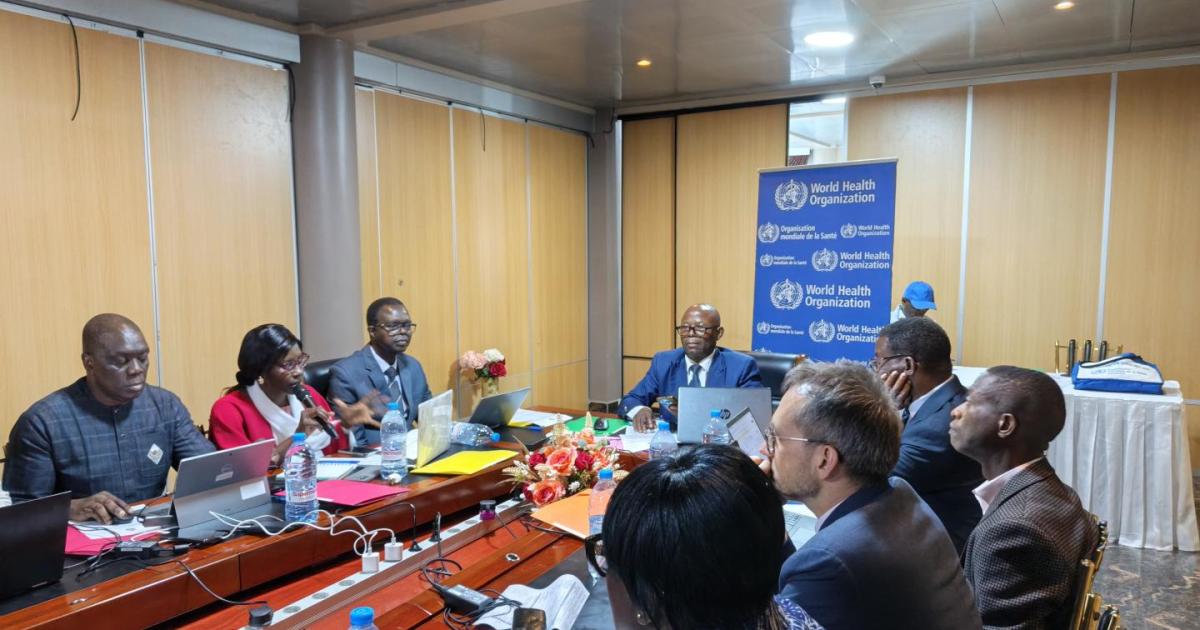
The World Health Organization (WHO) is collaborating with Mali’s government to launch a transformative program aimed at improving sexual and reproductive health rights and access. This initiative, supported by a major donor, focuses on strengthening legal frameworks, enhancing healthcare provider skills, supplying medical equipment, and establishing youth-friendly clinics. Additionally, it emphasizes the creation of reliable data systems to guide public health policies.
« This program is fully integrated into our strategic health plan, » says Dr. N’Tji Keita, Head of the Maternal and Child Health Department at Mali’s National Office of Reproductive Health. « We’ve trained judges on WHO’s latest directives, set up a national health observatory, and reinforced the maternal death surveillance system. » The WHO’s role extends beyond technical support—it acts as a catalyst for coordination and supervision, enabling Mali to publish its first national bulletin on sexual and reproductive health indicators, as well as the 2022 National Health Accounts.
Bringing services closer to vulnerable communities
Dr. Sylla Ousmane, WHO’s Sexual and Reproductive Health Program Manager in Mali, highlights the organization’s efforts to decentralize services. « We’ve established a Mother-Child-Adolescent clinic in Sikasso, offering integrated family planning and gender-based violence support. A mobile team is also ready to serve the humanitarian zone in Macina, ensuring no one is left behind, » he explains.
Midwives at the forefront of change
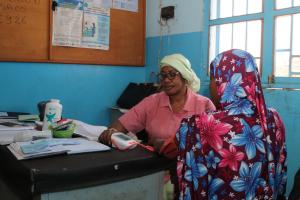
Trained and dedicated midwives are the backbone of this transformation. Their continuous professional development has significantly improved the quality of care for young women. Aïssata, a community health center midwife in Kebila, shares her experience: « I’ve undergone training in prenatal consultations, family planning, STI/HIV/AIDS management, and medical prescriptions. This has not only enhanced my skills but also allowed me to serve young women without judgment. »
Assetou, a mentoring midwife in Yanfolila, 160 km south of Bamako, echoes the impact: « These trainings have revolutionized my approach—improving my listening skills, availability, and respect for consent. » Since 2019, the number of adolescents accessing sexual and reproductive health services in her center has more than doubled, from 2,330 to 5,121.
Breaking taboos through education and trust
The shift isn’t just numerical—it’s cultural. Sensitization campaigns in schools, radio programs on sexuality, and training healthcare providers in empathy and consent have encouraged more young women to seek care. Kadidia reflects on her first visit to a health center: « The nurse listened without judgment and gave me excellent advice. I now realize these services exist to help us. To other young women, I say: Don’t be afraid. Seek advice—it’s there for you. »
The journey toward better reproductive health in Mali is ongoing, but with empowered midwives, supportive policies, and growing community trust, the future looks brighter for its young women.