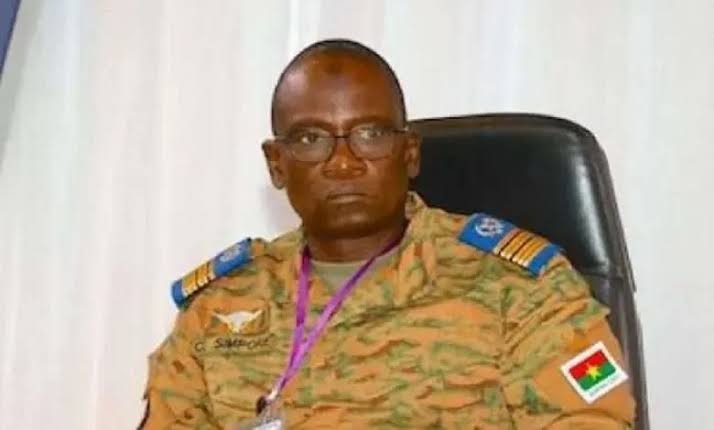

Mali finds itself at a critical juncture as discussions intensify around the deeply sensitive practice of female genital mutilation (FGM). In this complex environment, interim President Assimi Goïta is observed to be carefully managing the public discourse surrounding this contentious issue. The effort to contain the Mali FGM debate reflects the profound social and cultural challenges inherent in addressing such traditions within the nation.
The ongoing push for awareness
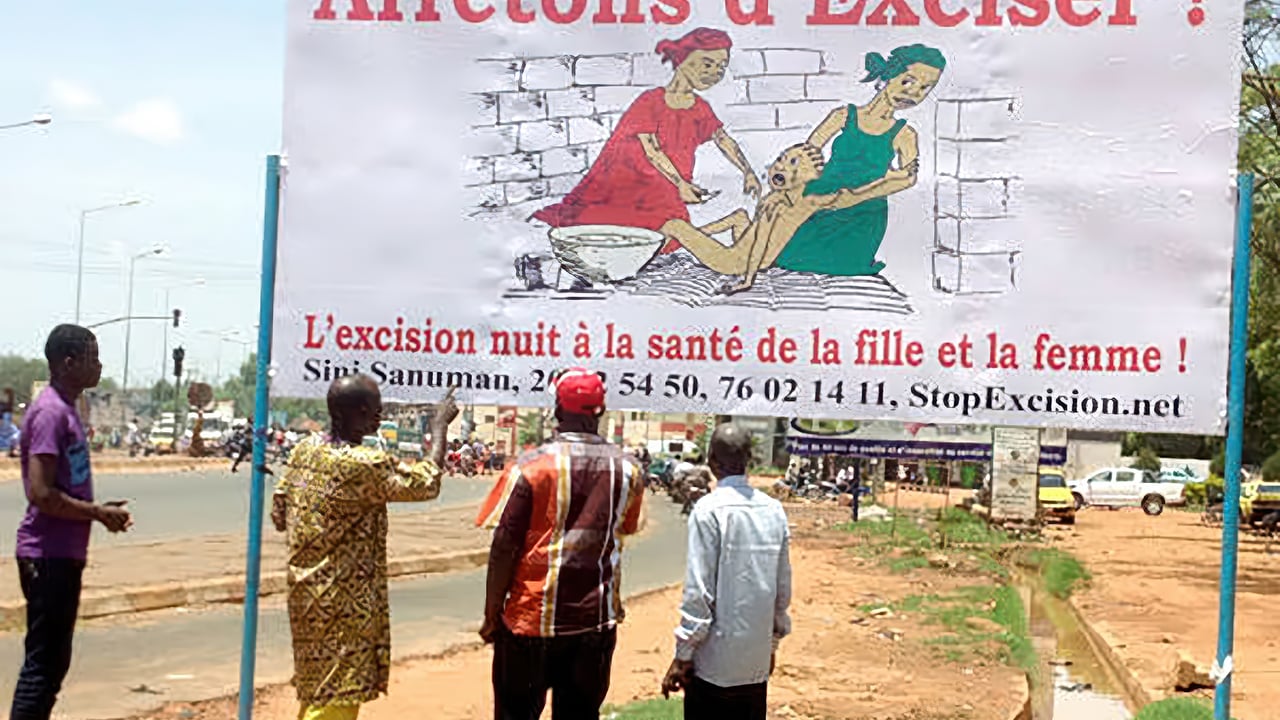
Despite the prevailing sensitivities, initiatives aimed at raising public awareness against FGM continue across the country. Visual campaigns, such as the prominent billboards seen in various Malian communities, serve as constant reminders of the health risks and human rights concerns associated with the practice. These efforts highlight a persistent drive by activists and international organizations to eradicate female genital mutilation in Mali, pushing for legislative and social change.
Navigating a delicate political landscape
For leaders like Assimi Goïta, navigating the FGM discussion is a delicate balance. The issue is not merely a public health concern but also a significant element within the broader political Sahel context, intersecting with cultural norms, religious interpretations, and community autonomy. Any governmental stance or intervention carries substantial social and political implications, requiring a cautious approach to avoid alienating segments of the population while still upholding commitments to human rights and public welfare. The way this debate unfolds will undoubtedly be a key area of focus in West Africa Sahel news.