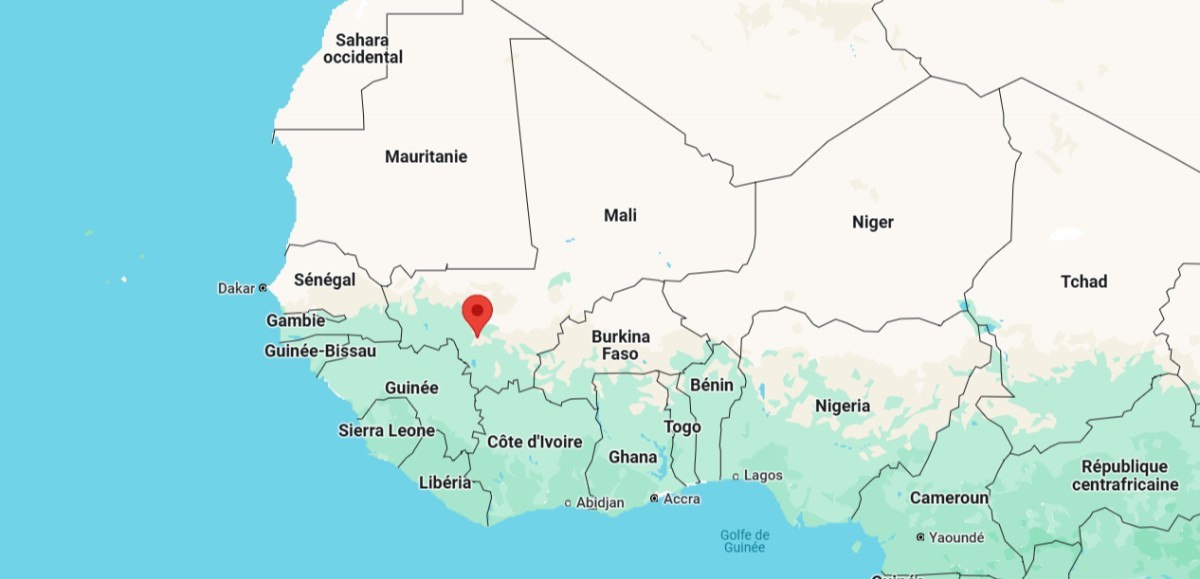
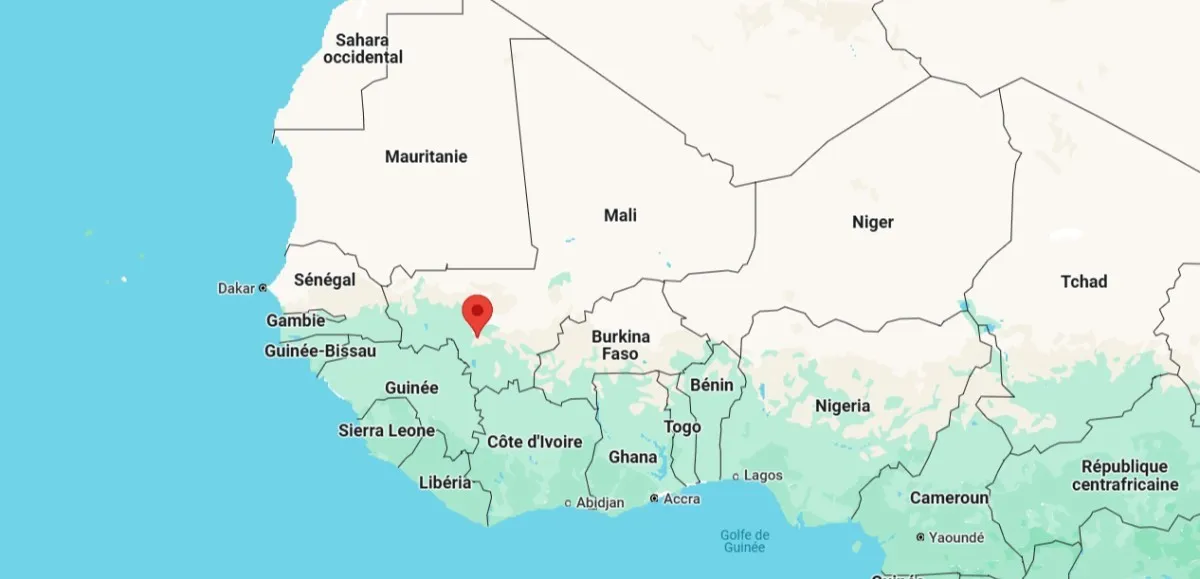
“Long live democracy, down with dictatorship!” echoed through the streets around Bamako’s Palais de la Culture on May 3rd. Hundreds gathered at the invitation of a coalition of political parties, marking one of the most significant public displays of dissent since the military took control in 2020 and 2021.
Participants carried banners and flags while chanting slogans demanding elections and the preservation of fundamental freedoms. Security forces maintained a visible presence throughout the protest, which proceeded without major incidents but generated substantial discussion across social media platforms.
Intensifying political repression
Just days before the demonstration, on April 30th, authorities repealed the law governing political parties—a move widely viewed as a precursor to their outright dissolution. This decision followed a controversial consultation organized by the junta, which was notably boycotted by most opposition parties.
The recommendations emerging from this gathering, deemed unrepresentative by many, went even further: they proposed eliminating political parties entirely and extending General Assimi Goïta‘s presidential term for five years—renewable—without elections.
The final decision now rests with General Goïta, who has led Mali since the 2020 and 2021 coups that overthrew the civilian government.
Democracy under siege
This protest represents one of the few public acts of resistance against Mali’s military regime since 2021. Since seizing power, authorities have systematically targeted opposition figures, dissolved civil society organizations, and restricted press freedoms.
Ironically, these actions contradict both the 1992 Malian Constitution and the new Fundamental Law promulgated in 2023, both of which guarantee multiparty democracy, freedom of expression, and the right to association.
The current political trajectory in Mali mirrors developments in neighboring Burkina Faso and Niger, which along with Mali formed the Alliance of Sahel States (AES) after withdrawing from ECOWAS, a bloc they accused of being too aligned with French interests.