The human papillomavirus (HPV) remains a silent threat to women’s health in Mali. For many, like 38-year-old Fatoumata, the consequences of delayed diagnosis can be devastating.
« I initially had a fibroid, and it took me time to treat it. It was only when I started experiencing bleeding that I underwent surgery. After the operation, I noticed unusual discharges – colorless and odorless, like water. That prompted me to visit my gynecologist, who diagnosed cervical cancer. The treatment cost me between 5 and 6 million West African CFA francs, with the surgery alone amounting to 2 million francs.»
Fatoumata’s story underscores the harsh reality faced by countless Malian women: late detection, exorbitant treatment costs, and limited access to quality healthcare. This new vaccination initiative aims to change that narrative.
Why the HPV vaccine matters for Mali
Cervical cancer, primarily caused by persistent infection with certain HPV types, is a pressing public health crisis in Mali. It stands as the second most common cancer among women aged 15 to 44 in the country. Tragically, many cases are detected too late, leading to preventable deaths each year.
Cultural taboos and misconceptions further complicate the situation. Some communities associate the disease with curses or supernatural causes, deterring women from seeking timely medical attention. « Cervical cancer is sometimes perceived as a spell cast by a co-wife, sister-in-law, or former partner, » explains a reproductive health advocate.
A breakthrough in public health: the HPV vaccine launch
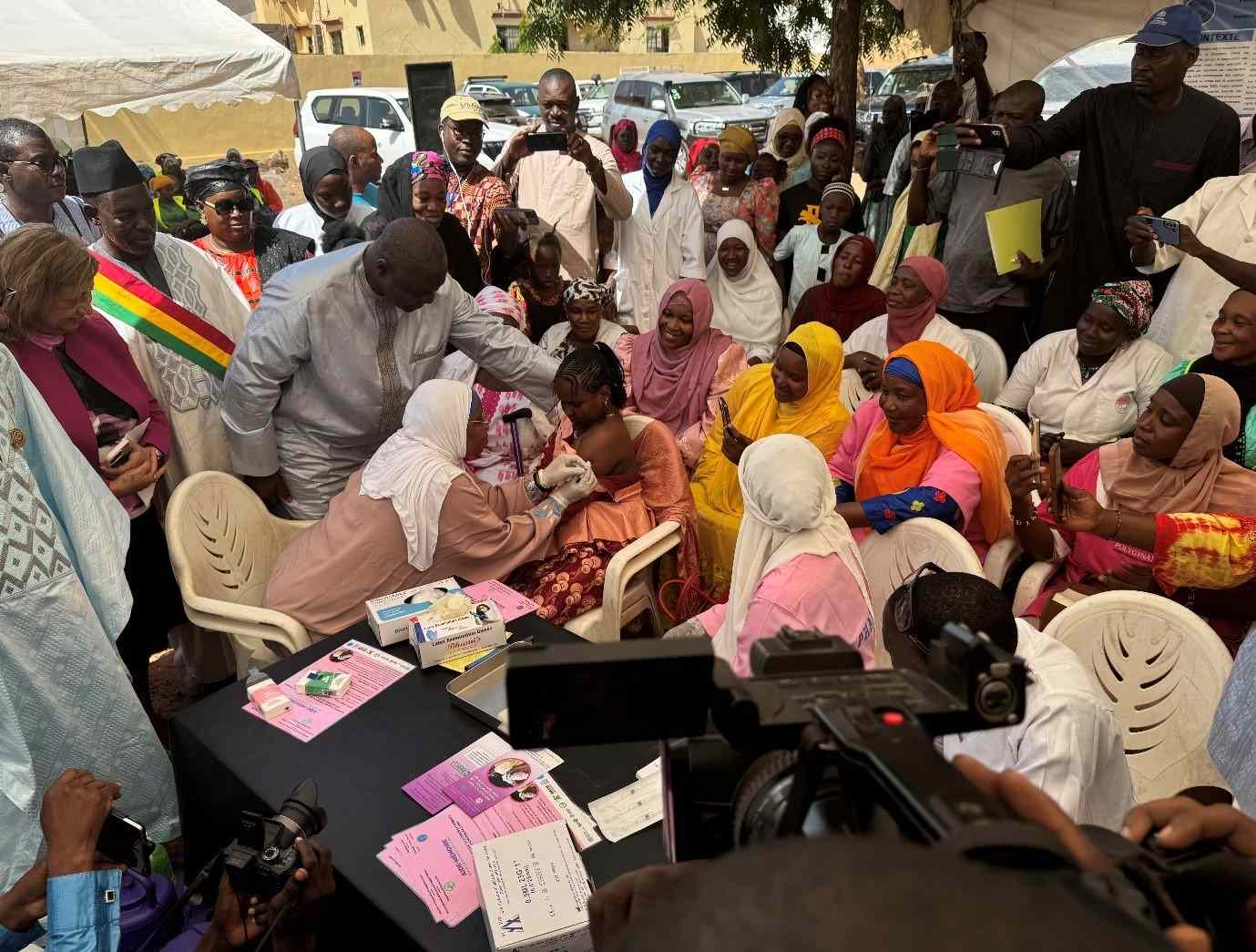
The government’s decision to include the HPV vaccine in routine immunization marks a historic milestone. During the Bamako launch event, Dr. Ibrahima Diarra, Director of Mali’s National Immunization Center, emphasized the vaccine’s potential: « A single dose administered to a 10-year-old girl can provide protection against the HPV strains responsible for 70% of cervical cancers for over a decade. » Thanks to Gavi’s support and Mali’s co-financing, the vaccine is now freely available to young girls nationwide.
This initiative aims to protect over 320,000 girls annually, potentially reducing cervical cancer cases by nearly 90% and preventing more than 3,600 deaths among Malian women each year. The government’s strategic choice to vaccinate girls at age 10 aligns with WHO recommendations for adolescents aged 9 to 14, ensuring maximum vaccine efficacy before potential exposure to HPV.
Toward health equity and beyond
This vaccination program represents a significant stride toward health equity. Cervical cancer claims thousands of women’s lives daily, particularly in low-income countries where 90% of global deaths occur. By making prevention accessible to all girls, regardless of their location, Mali is setting an example of justice in public health.
Dr. Diarra explains the rationale behind targeting 10-year-olds: « This age group has healthy cervixes, prior to sexual debut, ensuring optimal vaccine effectiveness. » The initiative also addresses financial barriers, as a single dose costs around 150,000 West African CFA francs in private pharmacies. With Gavi’s support and Mali’s co-financing, the vaccine is now provided free of charge through routine immunization programs.
Mali stands as one of the first Sahelian nations and the first conflict-affected country supported by Gavi to introduce the HPV vaccine.
This groundbreaking initiative not only safeguards future generations of Malian women but also serves as a model for neighboring countries. It aligns with Gavi’s global objectives to vaccinate 86 million girls in low- and middle-income countries by 2025.
Combating misinformation
Addressing vaccine hesitancy and misinformation remains a critical challenge. Malian health authorities are actively countering false claims that the vaccine compromises fertility or reproductive health. « It’s crucial to dispel these myths. This vaccine is safe, effective, and does not endanger girls’ health or future, » asserts Dr. Diarra.
Health Minister Colonel Assa Badiallo Touré echoed these sentiments during the launch, reaffirming the vaccine’s safety and importance.
The introduction of the HPV vaccine is a major victory for women’s health in Mali. By prioritizing prevention, the country is breaking the cycle of suffering caused by cervical cancer and paving the way for a healthier, more equitable future for its women.