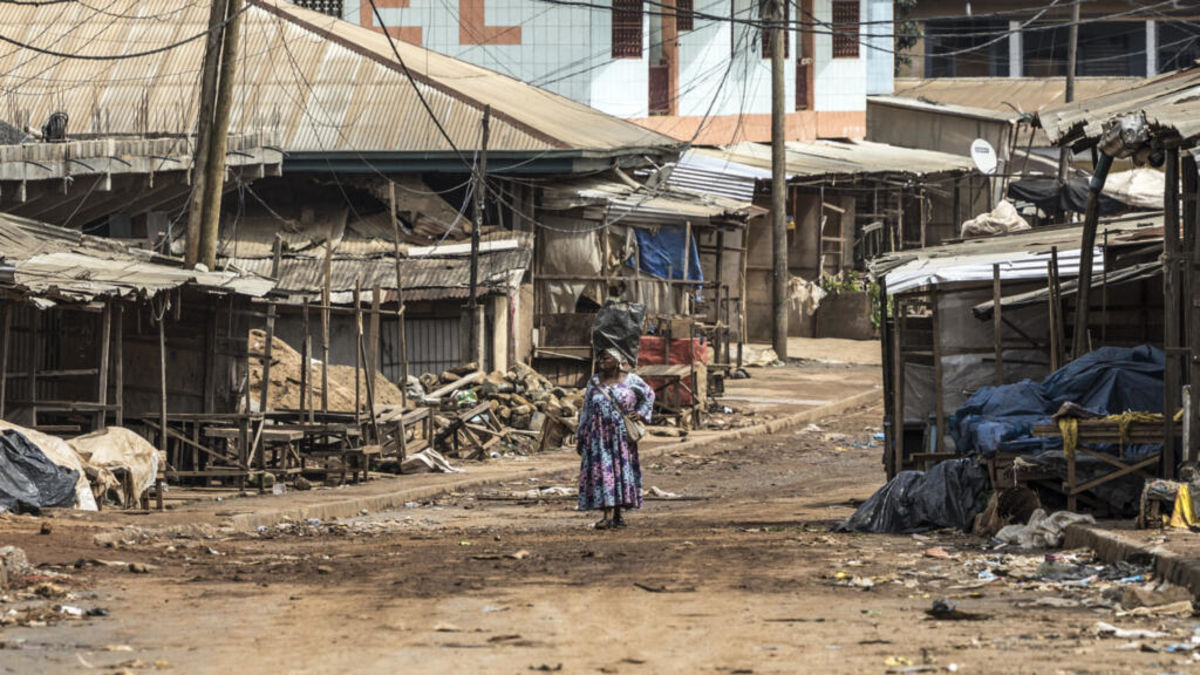
A severe shortage of fuel, triggered by insurgent blockades on vital transport routes, is currently intensifying the humanitarian disaster in Mali. This energy deficit is disrupting the daily lives of citizens and stalling United Nations operations in a nation already struggling with widespread hunger and persistent violence.
Data from the United Nations Office for the Coordination of Humanitarian Affairs (OCHA) indicates that fuel supply issues have significantly hindered aid delivery across central and southern regions, specifically around Ségou, San, Koutiala, Mopti, and Bandiagara. These areas serve as essential transit points between the capital, Bamako, and the volatile northern territories of Mali.
Many relief organizations have been forced to scale back their field activities. Mobile health clinics, for instance, are now restricted to operating within a ten-kilometer radius of their headquarters. Due to movement constraints, robberies, and unpredictable checkpoints, several aid programs have been put on hold indefinitely.
Since September, the Group for the Support of Islam and Muslims (GSIM), an Al-Qaeda affiliate, has been obstructing fuel imports coming from Sénégal and Côte d’Ivoire. These neighboring countries are the primary gateways for goods entering landlocked Mali. The blockade has now reached Bamako and most surrounding regions, triggering a combined energy and food emergency.
Isolation of Léré and rising security risks
In the northwestern region of Tombouctou, the town of Léré, situated near the border with Mauritania, has been under strict access limitations imposed by armed factions since late October.
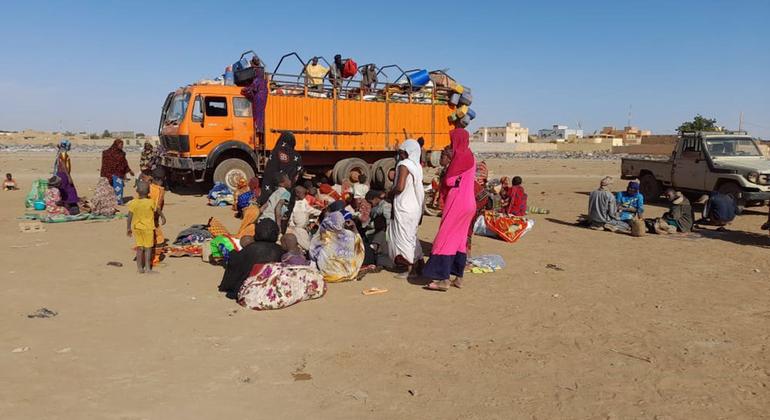
This isolation has forced local residents to flee toward safer zones. According to an OCHA report on humanitarian access, no external relief agencies can reach the town, leaving only those already stationed there to manage the situation.
The report highlights approximately 50 recorded access incidents across the country, marking a 13% rise from the previous month. Landmines and improvised explosive devices remain the deadliest threat, with 28 reported cases. Furthermore, nine kidnappings and three direct assaults on humanitarian workers were documented, primarily in the Ségou and Gao regions.
Tragedy also struck in Douentza, where two aid workers died after their boat capsized on the Niger River near Kagnimé. OCHA warns that such violence and logistical hurdles, particularly regarding fuel, are making the environment increasingly unpredictable and dangerous for those trying to reach people in need.
A climate of political repression
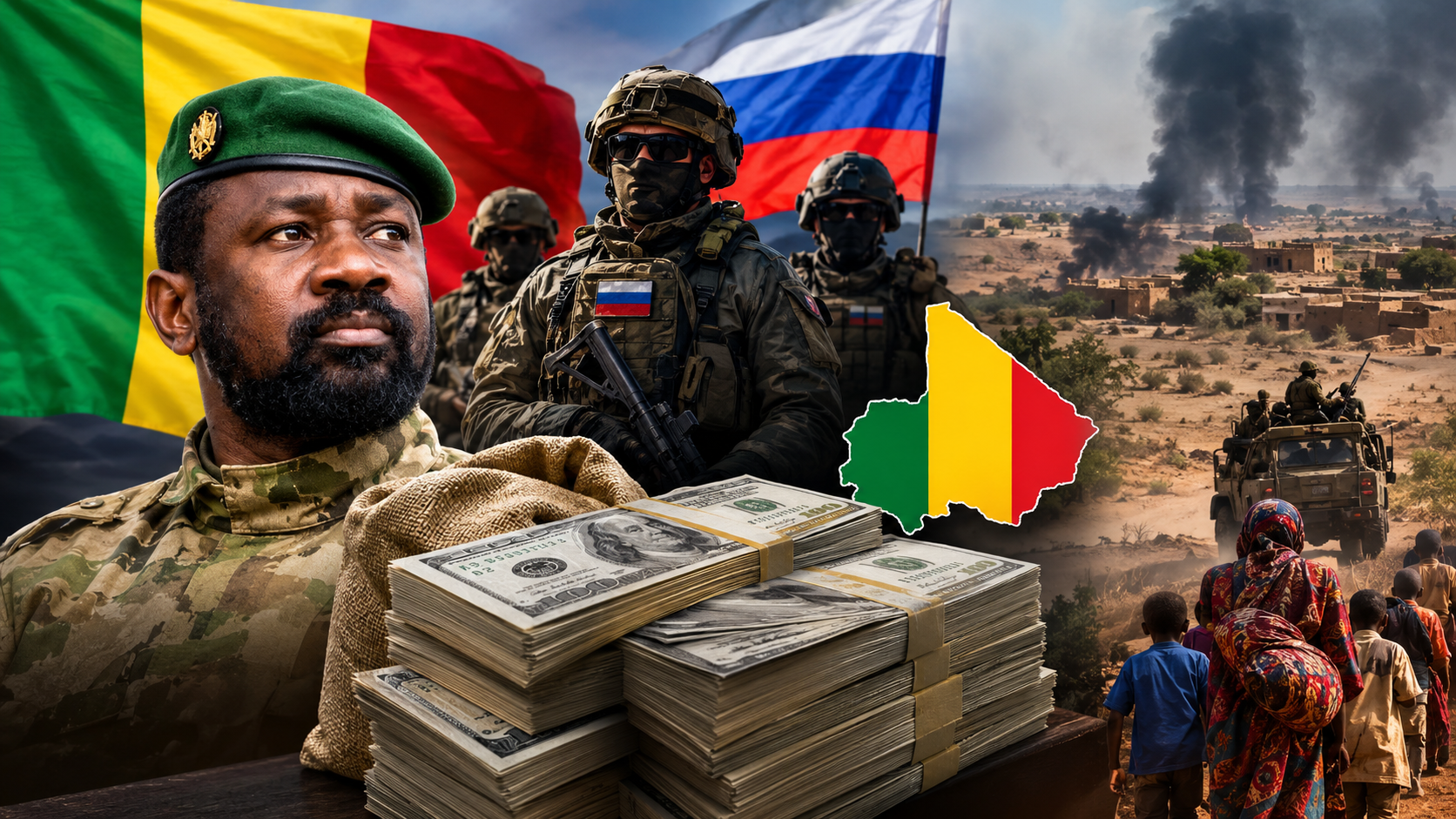
This humanitarian downturn is unfolding alongside a tightening political grip by the ruling military government. Since the 2020 coup, General Assimi Goïta has strengthened his control over Mali, postponing national elections and banning all political parties as of May 2025. New legislation passed in July allows him to remain in power indefinitely under the guise of restoring national security.
The UN High Commissioner for Human Rights, Volker Türk, has criticized these moves, stating they effectively end any hope for democratic elections in the near future. He also pointed out the use of legal systems to silence critics. High-profile arrests, such as that of former Prime Minister Moussa Mara in August, illustrate the ongoing crackdown on dissent.
Simultaneously, militant groups like GSIM and Daech continue to launch attacks in the central and northern regions, particularly along the borders with Burkina Faso and Niger. Reports from Volker Türk’s office mention hundreds of cases of extrajudicial killings, forced disappearances, and arbitrary detentions involving various parties in the conflict.
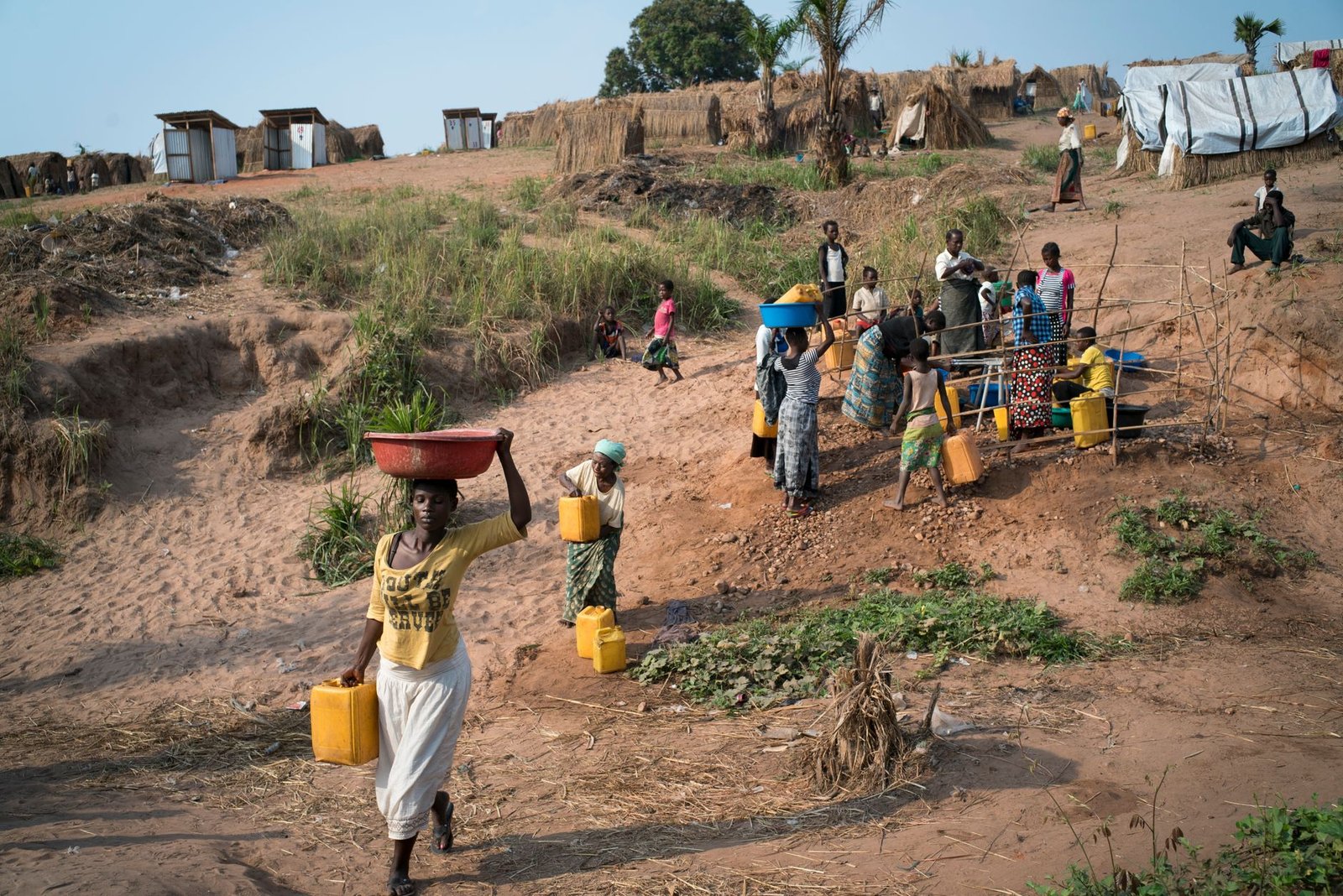
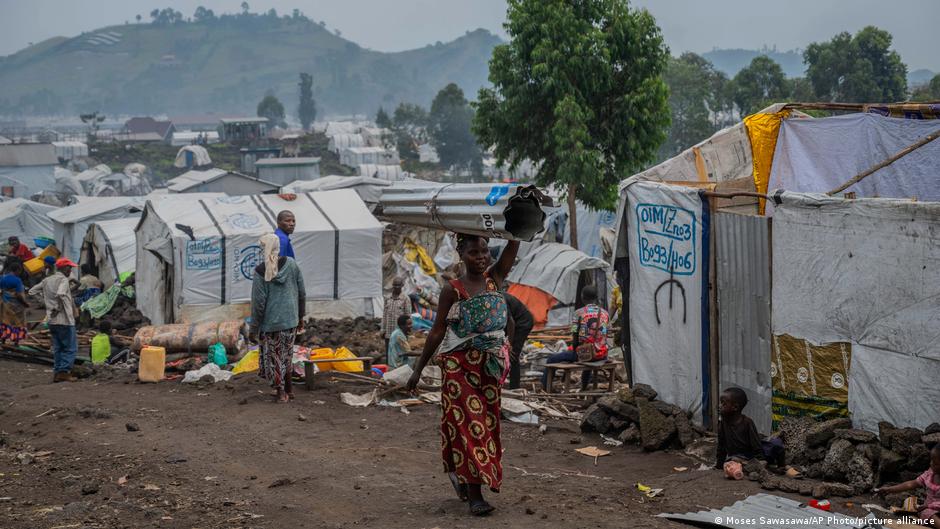
The scale of the crisis is immense: 6.4 million people in Mali require assistance, including 3.5 million children. The country currently hosts over 400,000 internally displaced persons and 335,000 refugees in neighboring states. A recent UN report on global food insecurity ranks Mali among the six most critical hunger zones on Earth, alongside Haiti, Palestine, South Sudan, Sudan, and Yemen.
The growing burden of Burkinabé refugees
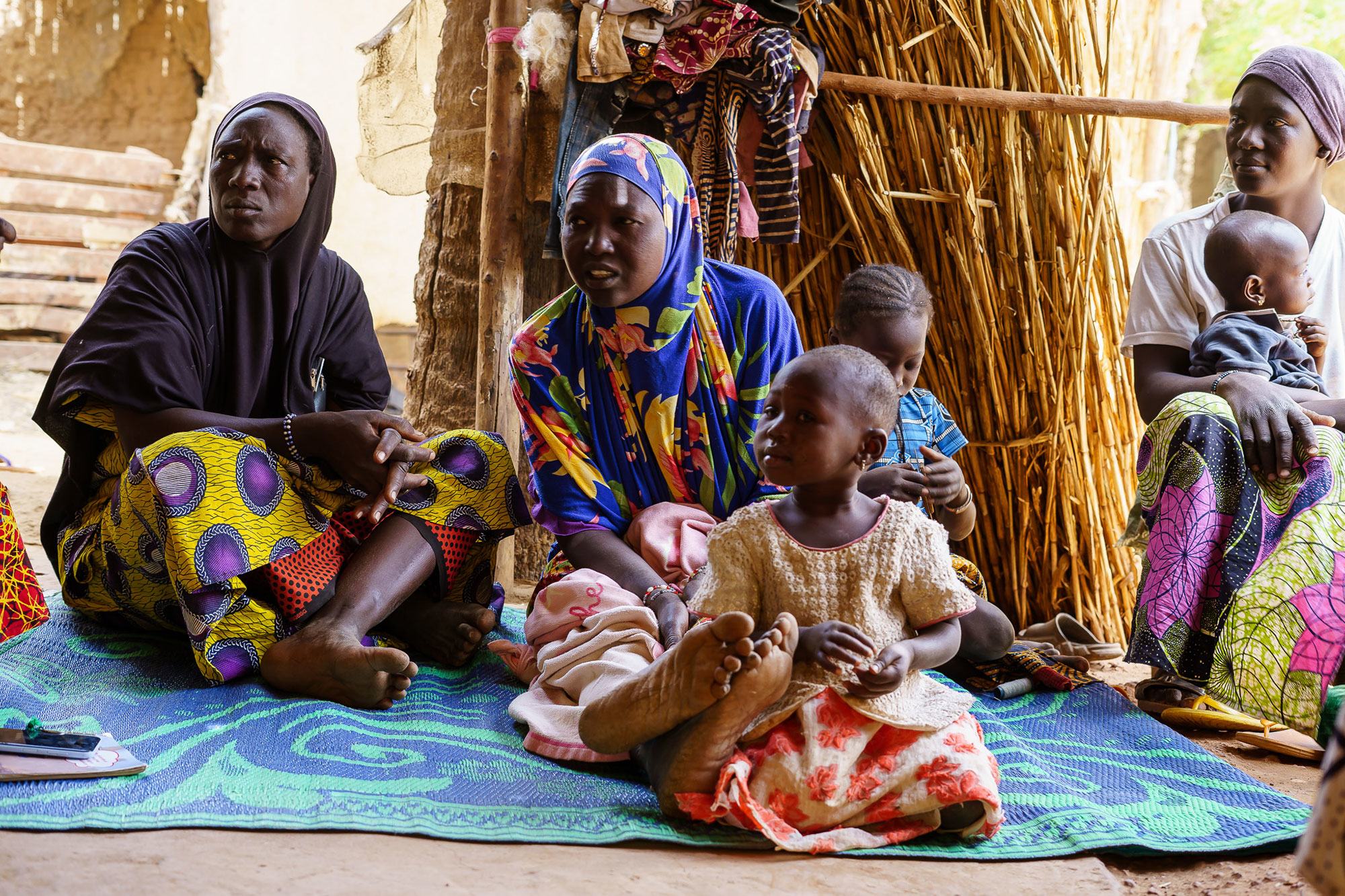
In the Koro district, near the Burkina Faso border, the situation is becoming even more desperate due to a massive influx of people. Since April, roughly 50,000 refugees from Burkina Faso have arrived, effectively doubling the local refugee population.
The UN Refugee Agency (UNHCR) notes that this surge is overwhelming local resources. To manage the pressure, a new field office was established in Koro in mid-October to better coordinate the emergency response.
Currently, Mali provides sanctuary to more than 150,000 refugees from Burkina Faso and Niger, all of whom are escaping the dual threats of insurgent violence and military counter-operations.