Mali five years after the coup: a grim reality
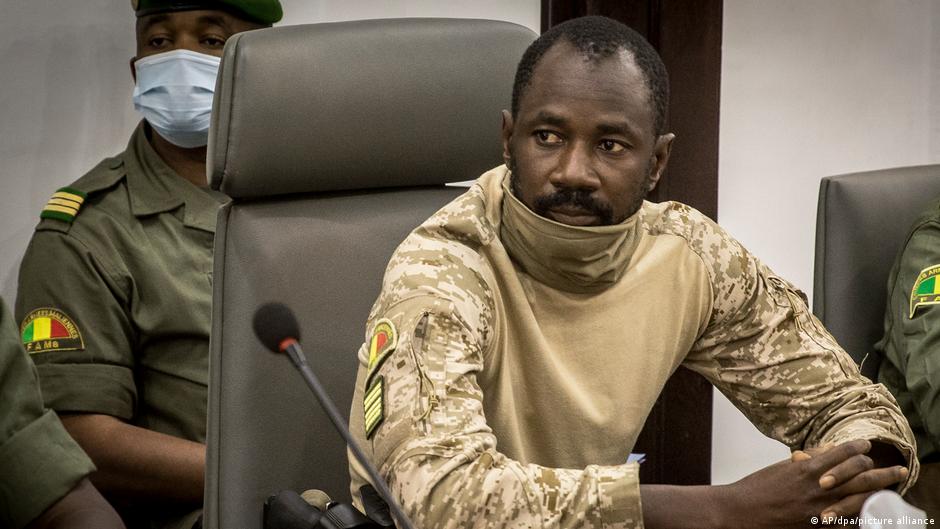
On May 24, Mali marked five years since General Assimi Goïta seized power in a coup. The initial hopes for improved security and governance have been overshadowed by escalating violence, eroded freedoms, and persistent instability. While international observers and critics highlight the regime’s shortcomings, a significant portion of the population continues to back the military leadership.
Freedom of expression under threat
The space for open dialogue has narrowed considerably. Though private conversations remain possible among trusted individuals, public criticism of the government is increasingly met with repression. Journalists and activists who dare challenge the status quo face imprisonment or forced exile, sending a chilling message across the country.
Security failures and jihadist expansion
When the junta took control in 2020, it vowed to dismantle jihadist groups controlling parts of the country. Five years later, the reality is starkly different. Groups like the Jama’at Nusrat al-Islam wal Muslimin (JNIM) and the Islamic State Sahel Province maintain a firm grip on vast territories, particularly in the north. Recent coordinated attacks, including one in late April, marked the most significant assault since 2012, when rebels and jihadists briefly seized major northern cities before French intervention.
Efforts to counter these groups have yielded limited results. Russian mercenaries, initially touted as a solution, have largely withdrawn without achieving meaningful progress. Their withdrawal from key northern strongholds like Kidal without resistance dealt a heavy blow to Mali’s military credibility. Neighbors within the Alliance of Sahel States (AES)—Burkina Faso and Niger—pledged support but provided little in the way of concrete assistance, as they grapple with their own insurgencies.
A fractured regional alliance
The AES, formed to strengthen cooperation among Mali, Burkina Faso, and Niger, has struggled to translate political unity into actionable support. While the three juntas share ideological alignment and anti-Western rhetoric, their ability to coordinate militarily or economically remains constrained by poverty and limited resources. The alliance functions more as a symbolic front than a cohesive bloc capable of addressing the region’s security challenges.
Public sentiment: fear of alternatives
Despite growing disillusionment with the military government, many Malians continue to support it—not out of enthusiasm, but out of fear. The population overwhelmingly rejects the prospect of jihadist rule or a return to the corrupt, France-aligned political elites that governed before the coup. Public protests remain rare, even in the aftermath of devastating attacks, as citizens recognize that instability could lead to even worse outcomes.
Young Malians, who make up the majority of the population, are particularly vulnerable. Many lack access to education and depend on social media for information, where pro-government propaganda and misinformation thrive. The regime has capitalized on anti-French sentiment and narratives of resistance to foreign interference, further consolidating its base.
Is dialogue with jihadists possible?
While the idea of negotiating with groups like JNIM may seem unthinkable, some analysts argue that localized agreements could pave the way for stabilization. Unlike foreign jihadist networks, Malian insurgents are deeply embedded in local grievances, particularly over land and resources. Past examples, such as Mauritania’s approach—combining military pressure with pragmatic concessions—demonstrate that limited compromises can reduce violence without imposing full Islamist rule.
However, any negotiation would require the government to make painful concessions, and the feasibility of such talks remains uncertain. For now, Mali’s future hinges on a fragile balance: the military’s ability to maintain order, the population’s tolerance for hardship, and the absence of viable alternatives to the status quo.