Mali faces unprecedented coordinated assault from touareg rebels and jihadist forces
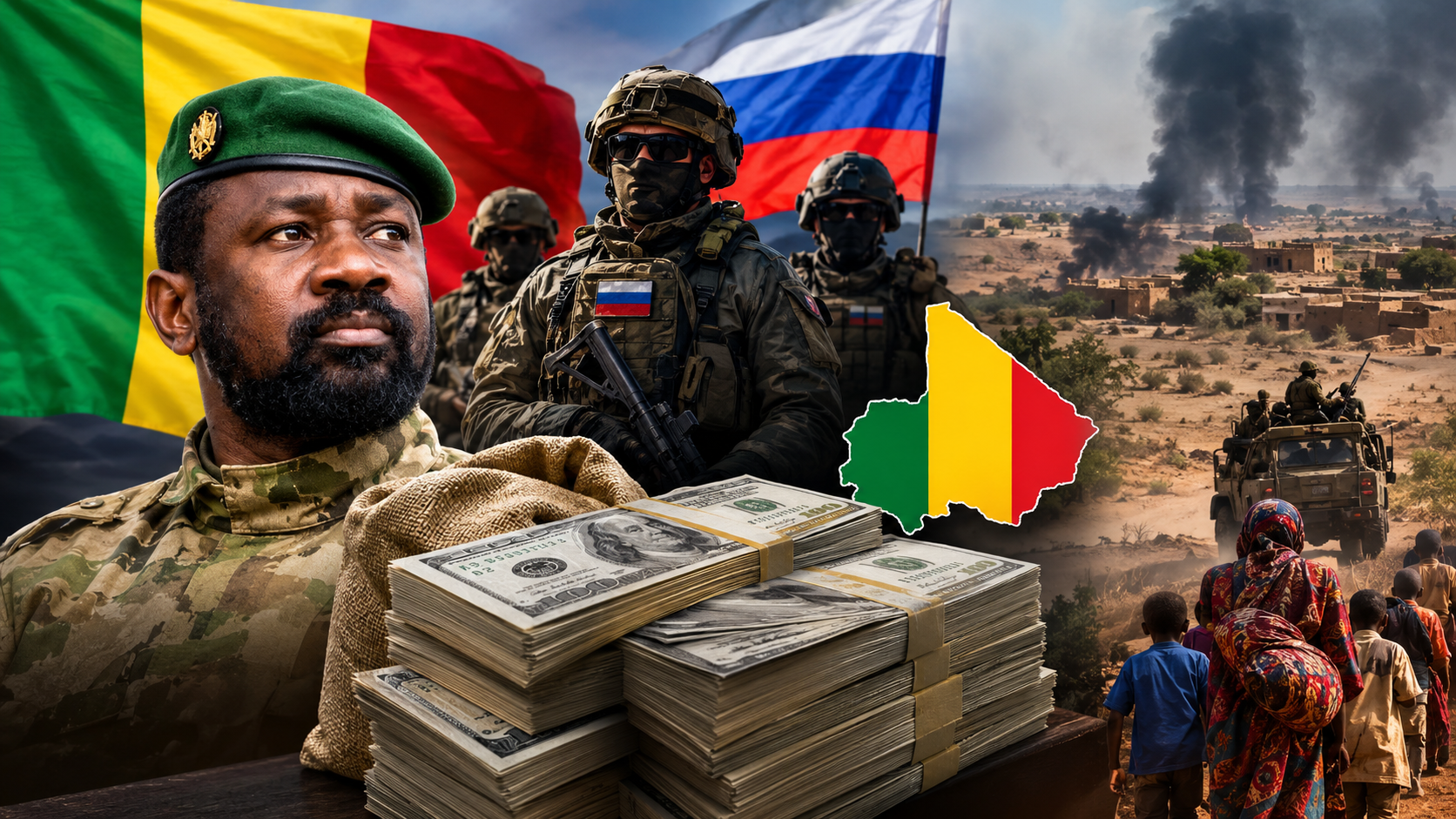
In a dramatic escalation of conflict, Mali has experienced a massive coordinated offensive involving touareg rebels and jihadist militants, effectively challenging the military junta and its allied Russian forces. This unprecedented assault marks a significant shift in the country’s ongoing security crisis, with far-reaching implications for regional stability.
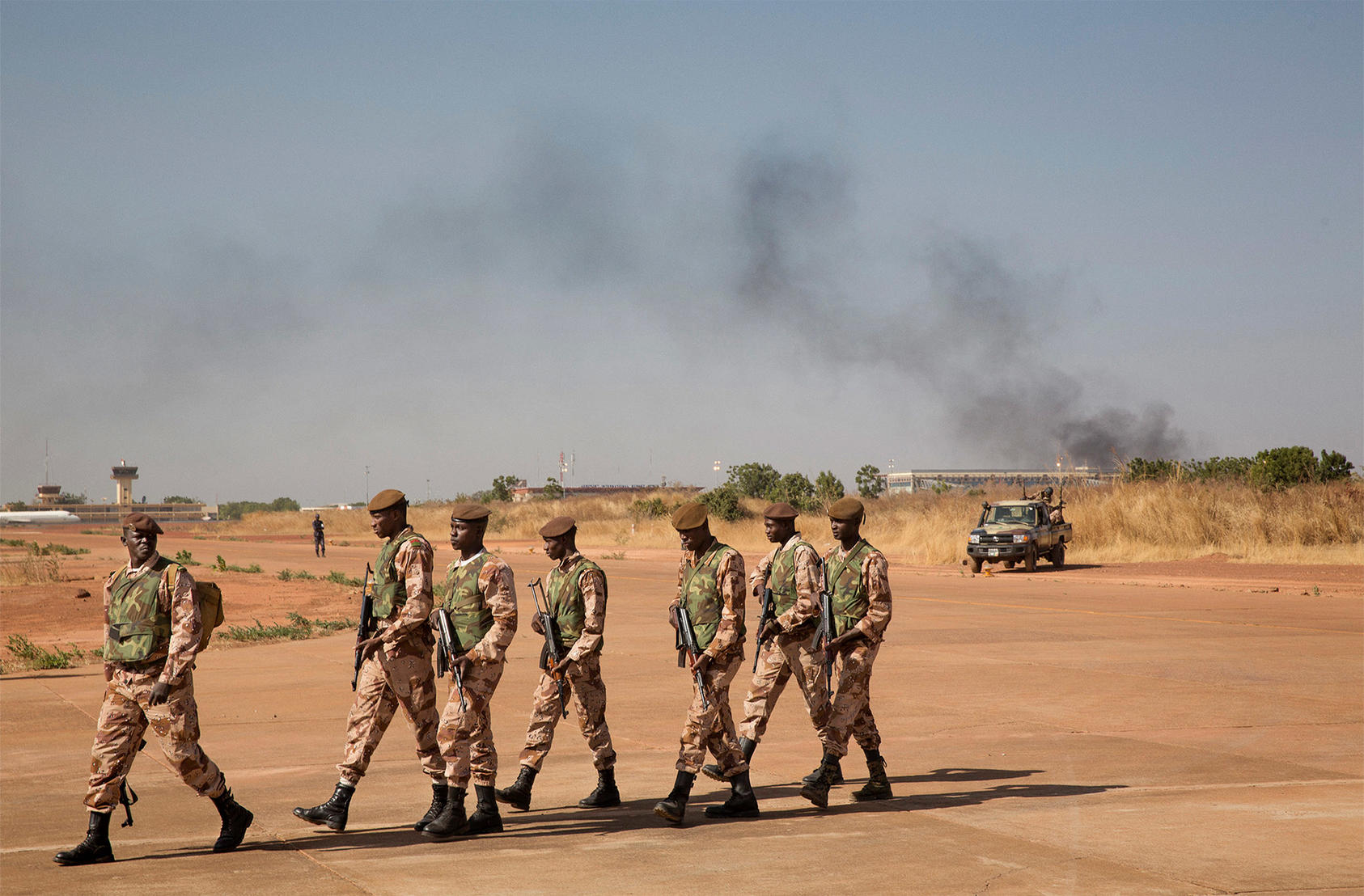
Bamako, the capital, has been particularly affected, along with key strategic locations including Kati, Konna, Mopti, Sévaré, Gao, and Kidal. The northern city of Kidal, traditionally a military stronghold, has fallen entirely under insurgent control, signaling a major setback for government forces.
According to General Oumar Diarra, Chief of Staff of the Malian Armed Forces, the attacks represent a « coordinated plan of destabilization orchestrated by both domestic and foreign actors » aimed at creating lasting insecurity within the country. The offensive involved multiple attack vectors, including vehicle-borne improvised explosive devices, improvised explosive devices, kamikaze drones, indirect fire, and direct assaults on military positions.
timeline of attacks and key developments
The coordinated offensive began early Saturday morning at approximately 5:30 AM, with simultaneous assaults claimed by both the Group for the Support of Islam and Muslims (JNIM)—affiliated with Al-Qaeda—and the Front for the Liberation of Azawad (FLA). These groups targeted critical infrastructure, including:
- The presidential residence
- The Ministry of Defense
- The Modibo Keita International Airport in Bamako
- Military installations in Kati, Gao, Kidal, and Sévaré
In response, the Malian government imposed a 72-hour curfew in Bamako, while the international airport remained closed through Sunday. Official statements claimed the situation was « under control, » though reports indicate significant civilian and military casualties, including the death of Defense Minister Sadio Camara in a suicide attack on his residence.
Modibo Koné, head of the National Agency for State Security, was also critically wounded during the assaults. Meanwhile, Assimi Goïta, the leader of the military junta, was evacuated from Kati to a secure location.
the role of russian forces and strategic withdrawals
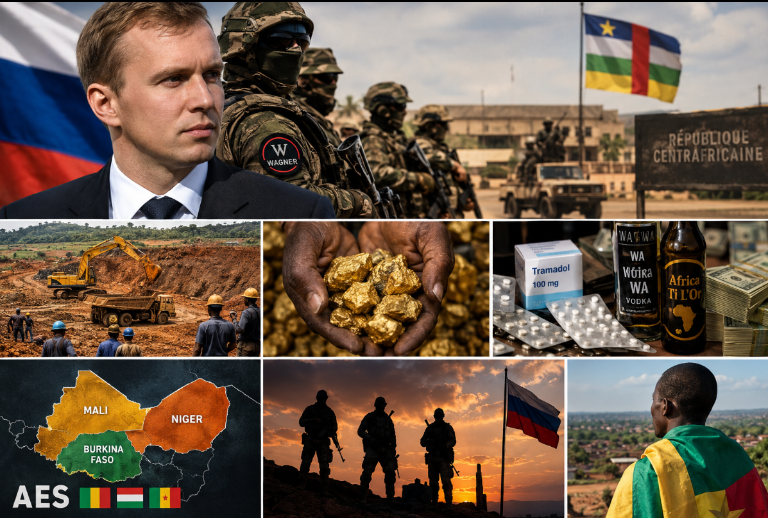
The Africa Corps—a Russian paramilitary unit that has largely replaced the Wagner Group in Africa—announced its withdrawal from Kidal in coordination with Malian authorities. The corps stated that the decision followed a joint agreement with Bamako and that wounded soldiers and heavy equipment were successfully evacuated. This move comes amid claims of a broader attempt to destabilize the region, with accusations directed at Ukrainian intelligence services and alleged involvement of European mercenaries.
According to reports, the Africa Corps claims to have secured the presidential palace, maintained control over key strategic positions and airports, and prevented the capture of the Kati arsenal. The group reports neutralizing over 1,000 jihadists and destroying more than 100 vehicles in the process. However, conflicting reports suggest that the insurgents maintain control over significant portions of the country, particularly in the north.
the touareg-jihadist alliance: a strategic convergence
The offensive has highlighted a growing alliance between touareg separatists and jihadist groups, despite their differing long-term objectives. While the Front for the Liberation of Azawad (FLA) seeks autonomy or independence for the Azawad region, the Group for the Support of Islam and Muslims (JNIM) aims to establish an Islamic State under Sharia law.
This tactical collaboration was formalized through a non-aggression and operational coordination agreement signed in May 2024, following the collapse of the Algiers Accords in late 2023. The breakdown of these accords, along with the withdrawal of the United Nations Multidimensional Integrated Stabilization Mission in Mali (MINUSMA), created a power vacuum that insurgent groups sought to exploit.
Analysts point to a significant tactical advantage gained through coordination with Ukrainian intelligence, particularly in the use of advanced military tactics such as kamikaze drones and improvised explosive devices. The alleged involvement of the Ukrainian Main Intelligence Directorate (GUR) in providing intelligence support during the Tinzaouaten battle in July 2024 underscores the complexity of this alliance.
In response to these accusations, the Malian government officially severed diplomatic relations with Ukraine, accusing Kiev of supporting terrorist organizations. Ukraine has denied these claims, describing them as « hasty and unsubstantiated. »
consequences and future outlook
The loss of Defense Minister Sadio Camara—a key figure in the junta and a central architect of Mali’s strategic realignment with Moscow—represents a critical blow to the transitional government. His death, along with the wounds sustained by other high-ranking officials, has created a leadership vacuum that could reshape the balance of power within the junta.
The offensive also signals a new phase in Mali’s security crisis, with the junta facing simultaneous pressure from both touareg separatists and jihadist militants. The Africa Corps, while claiming tactical successes, appears unable to fully contain the insurgent advance, raising questions about the long-term viability of the junta’s security strategy.
As the situation continues to evolve, the international community watches closely, with implications for regional security and the broader fight against extremism in the Sahel.