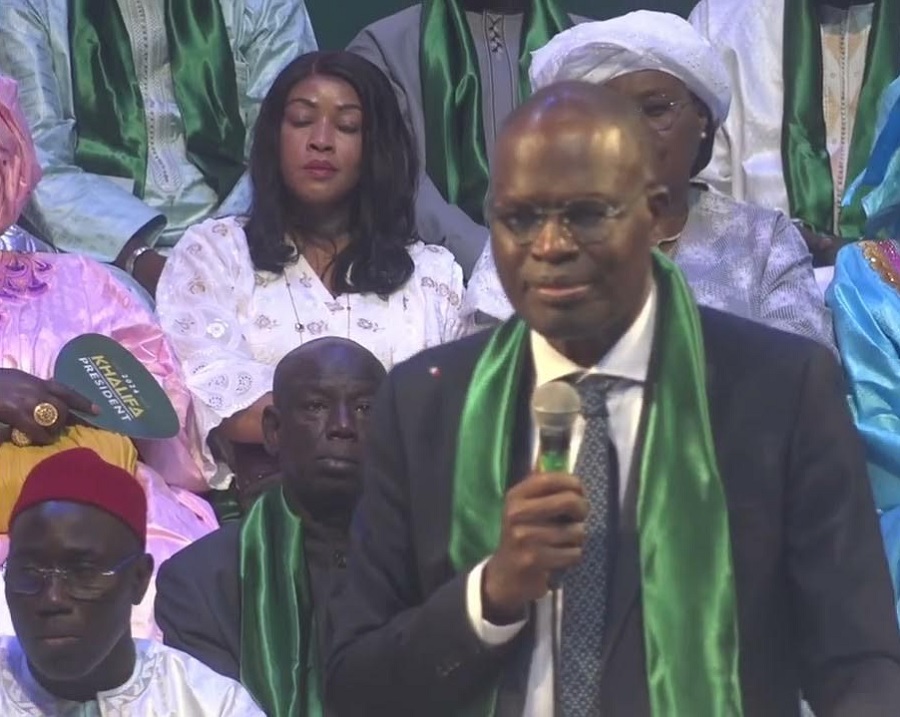
Taxawu Sénégal has officially transitioned from a political platform to a structured party during its constitutive congress held in Dakar on Sunday, May 10. The event, centered around the theme «From platform to political party: Rethinking the social contract for a sovereign, just, united and prosperous Senegal», brought together activists, leaders, and supporters to endorse a new strategic direction.
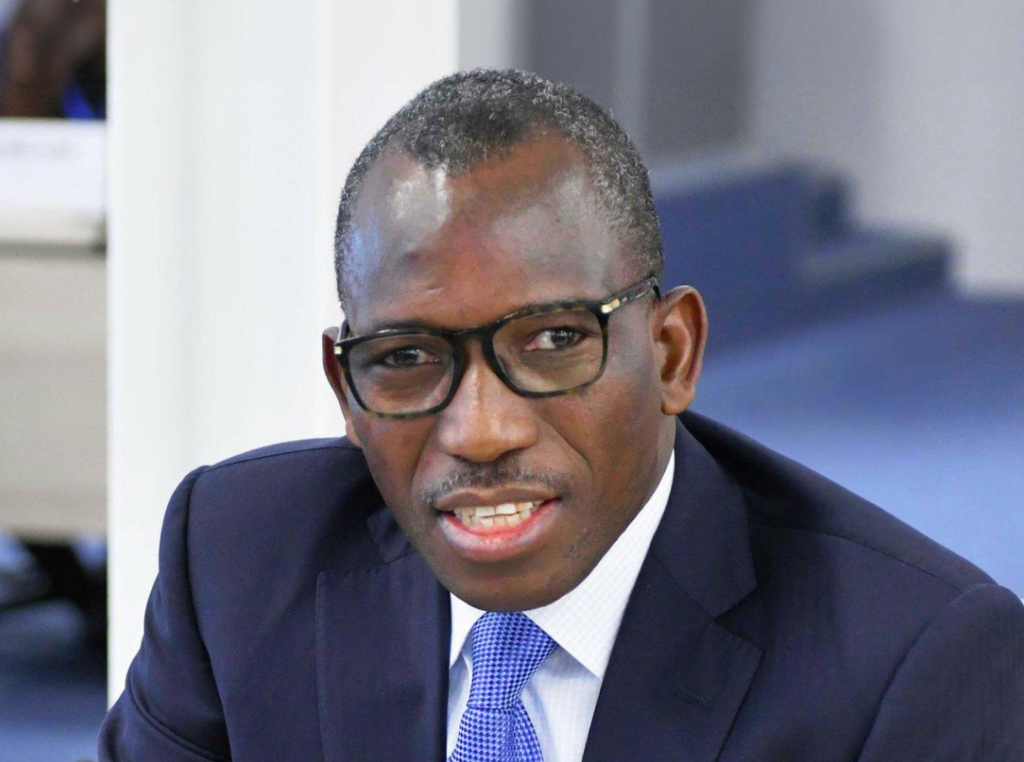
Following the proceedings, Khalifa Ababacar Sall was overwhelmingly elected as the party’s president amid a wave of enthusiasm and militant commitment. In a speech blending critical analysis and forward-looking proposals, the new leader outlined a stark assessment of the nation’s challenges, highlighting «deep-seated concerns» and «real difficulties faced daily by compatriots.»
«From our urban centers to rural areas, in neighborhoods and villages alike, one reality stands out: Senegalese men and women feel—indeed, they are certain—that promises of social justice, prosperity, and transparency remain unfulfilled,» he declared.
Khalifa Sall painted a portrait of a country grappling with multifaceted social crises: underpaid teachers, struggling students, workers demanding better conditions, farmers in despair, fishermen facing depleted marine resources, and women battling economic hardship. He warned of the «total disarray of our farmers» and the «progressive depletion of fishery resources» threatening Senegal’s maritime economy.
He also emphasized the plight of the youth, citing mass unemployment and a resurgence of clandestine migration. «When a nation’s youth falters, the entire country trembles,» he cautioned. «A youth without direction foreshadows a future without momentum.» His memorable line, «We find youth seeking work; we struggle to find youth who have found work», underscored the urgency of the situation.
To address these challenges, Taxawu Sénégal proposes a refounded social contract built on an impartial, efficient, and exemplary state. The party advocates for enhanced access to education, healthcare, employment, and social protection, alongside stronger local governance through autonomous, transparent, and citizen-driven budgets.
Institutional reforms are also a priority, with Khalifa Sall calling for an independent judiciary, an end to «selective justice,» and the protection of public freedoms. «A democracy without a viable opposition is merely an autocracy in denial,» he asserted, championing freedom of expression, press liberty, and political pluralism.
The speech extended to geopolitical and economic matters, urging a Senegalese diplomacy rooted in «peace, multilateralism, African solidarity, and economic sovereignty» amid global conflicts, tensions, and crises.
Taxawu Sénégal’s ideological foundations were firmly anchored in socialism. «We are socialists. We cannot accept a system where inequalities persist across generations,» he stated. The party’s societal vision rests on a triptych of «Human, Water, and Land,» aiming to foster a productive and distributive economy that equitably shares the fruits of growth.
In a passionate appeal to socialist factions, Khalifa Sall urged unity among the left to present a credible alternative to the nation’s current challenges. «Senegal needs a united opposition. Unity is our strength—and it will be our victory,» he concluded to thunderous applause.